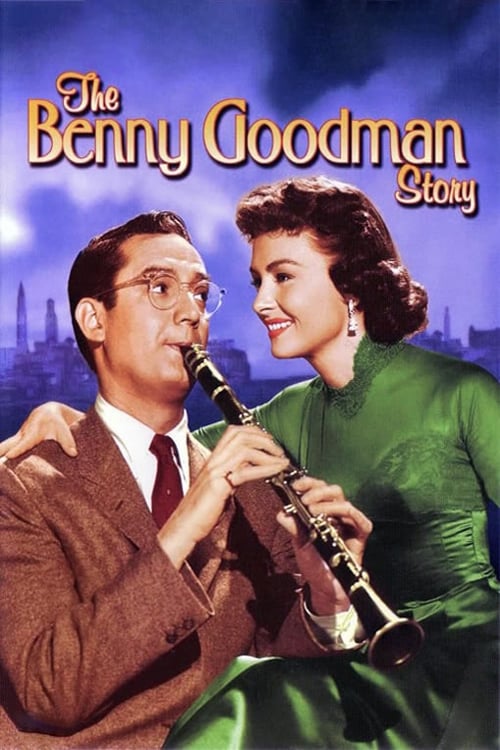
The Benny Goodman Story
1956
No user ratings available yet
Diversity score: 3.0 out of 10

1953
NRDirector
Gerald Mayer
Runtime
68 minutes
Average Rating
No ratings yetSynopsis
Teachers at an all-black school fight to save a problem child.
Overall Score
Limited
Category Breakdown
LGBTQ+ Representation
The film contains no evidence of non-cisnormative identities. Given the 1953 production era, themes critiquing heteronormativity are absent.
Gender Representation
The story centers on teachers, a role often occupied by women in mid-century cinema. However, these characters likely adhere to traditional gender roles rather than disrupting male-dominated structures.
Racial & Ethnic Diversity
The setting of an all-Black school provides a platform for Black characters, departing from typical white-centric casting. However, the narrative may rely on 'problem child' tropes common to the era.
Religious & Cultural Diversity
The premise emphasizes institutional stability and moral guidance through educators. This focus reinforces traditional mid-century values regarding authority and community institutions.
Disability Representation
There is no information available regarding the portrayal of physical disabilities, neurodivergence, or mental health.
Strengths
Areas for Improvement
AI Analysis
Bright Road is a mid-century drama that uses an all-Black school as its primary setting. While this provides a level of racial representation uncommon for 1953, the film appears to operate within the conventional social frameworks of its time. The narrative focuses on educators and institutional stability, suggesting a story centered on moral guidance and community structure. This approach reinforces traditional values rather than offering a systemic critique of social hierarchies. Ultimately, the film lacks intersectional depth or subversive elements, functioning more as a period-specific drama that adheres to the era's established cinematic and social norms.
1956
1959
1952
1946
1959
1966

1999
1936
1961
1988

1957
1944
No reviews yet. Be the first to share your thoughts on this movie!
Use the rating form above to leave a star rating and optional review.