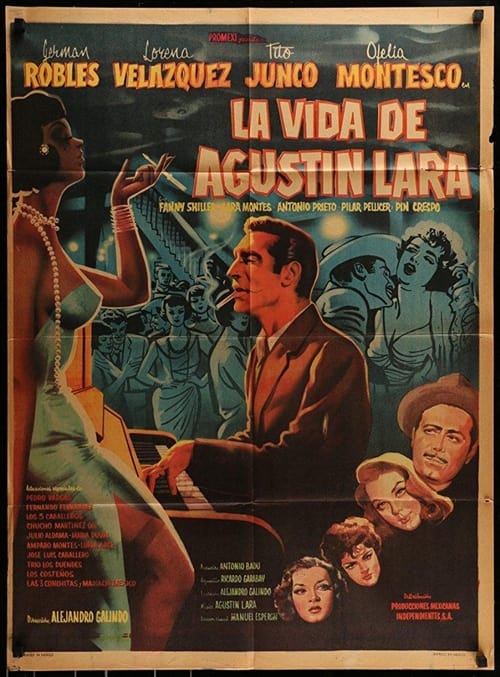
La vida de Agustín Lara
1959
No user ratings available yet
Representation score: 2.9 out of 10
Representation Score
Limited
1946
Director
Raúl de Anda
Runtime
100 minutes
Average Rating
No ratings yetNew Showbiz Analysis
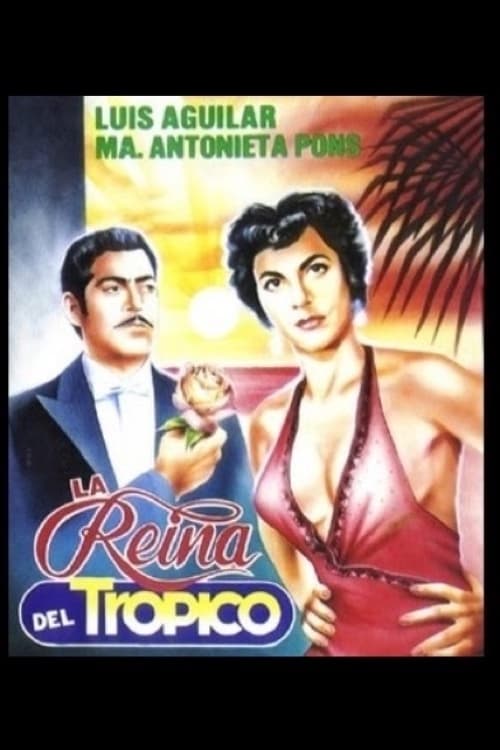
La reina del trópico is a quintessential example of mid-century Mexican melodrama. It provides a regional, non-Western perspective that centers Latin American identity, moving away from Hollywood's Anglo-centric gaze. However, the film remains tied to the social hierarchies of its time. It prioritizes classical dramatic clichés and traditional moral trajectories rather than offering systemic critique or multi-layered ability to act. Ultimately, the work reflects the established social order of the 1940s, functioning as a cultural mirror of its era's conventions rather than a tool for progressive subversion.
Category Breakdown
The film adheres to traditional heterosexual norms typical of 1940s melodrama. There are no queer narratives or challenges to the assumption that everyone is straight or cisgender.
Despite a female-centric title, women are portrayed as subjects of passion or victims of circumstance. The film relies on traditional gender roles and archetypes.
The production centers on Mexican and Latin American identities, offering a non-Anglo perspective. However, it lacks proactive disruption of racial hierarchies.
The storytelling aligns with mid-century values, emphasizing traditional family structures and moralistic outcomes. It functions within the established social and moral order of the era.
There is no documented evidence regarding the inclusion or portrayal of characters with physical or neurodivergent disabilities.
Present on Screen
Limited or Absent
1959
1966
1959
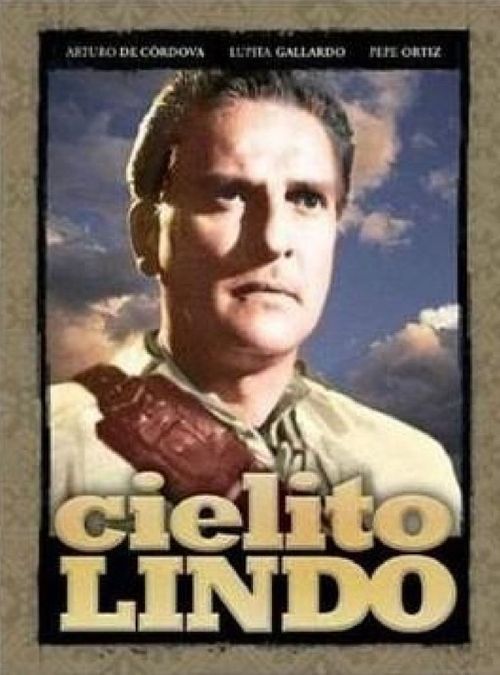
1936
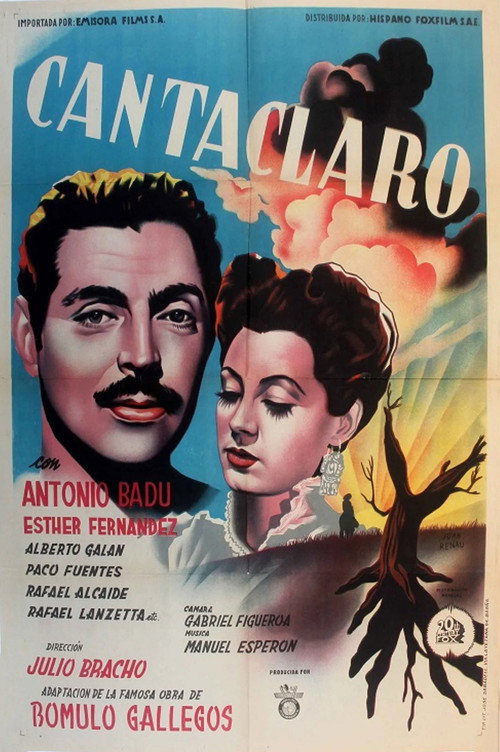
1946
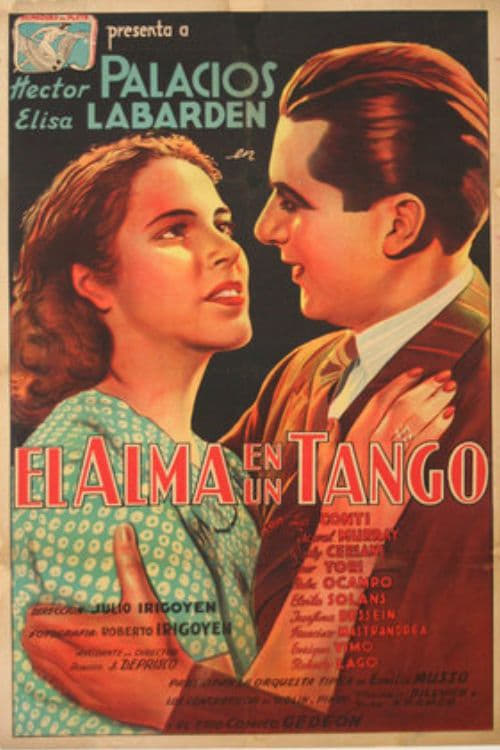
1945

2016
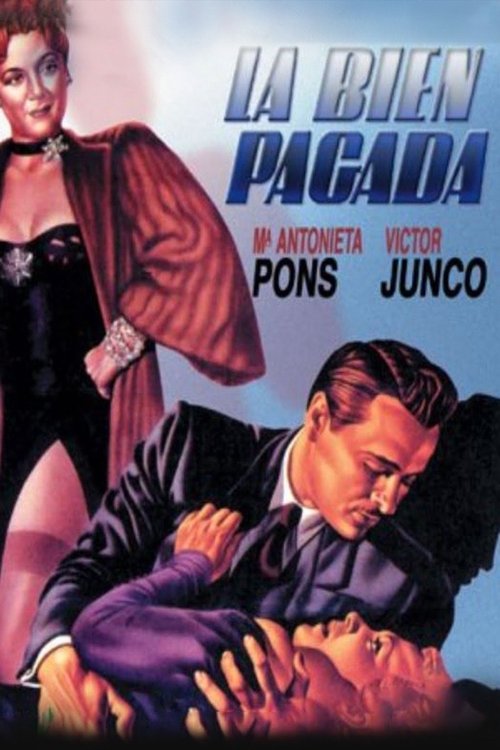
1948
No reviews yet. Be the first to share your thoughts on this movie!
Use the rating form above to leave a star rating and optional review.