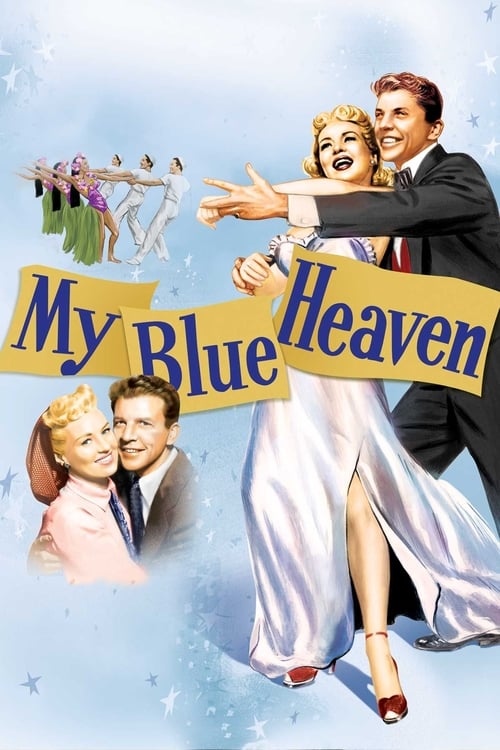
My Blue Heaven
1950
No user ratings available yet
Diversity score: 1.8 out of 10
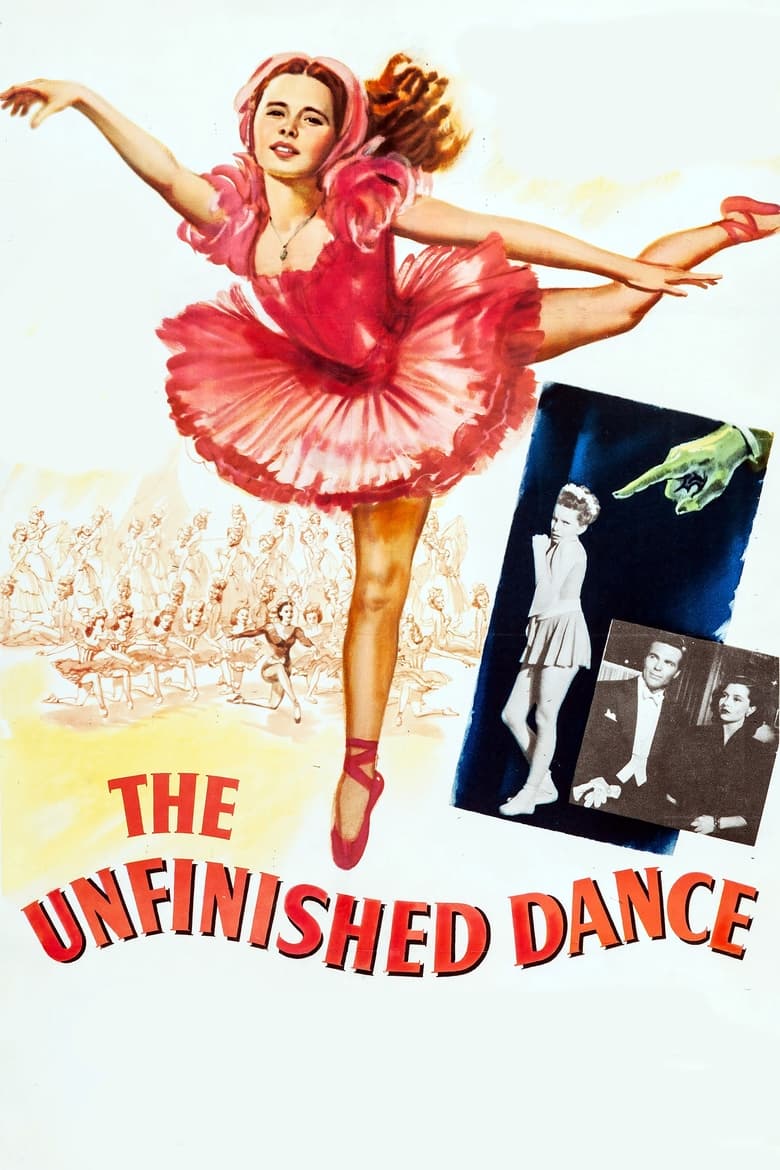
1947
NRDirector
Henry Koster
Runtime
101 minutes
Average Rating
No ratings yetSynopsis
Meg, a young ballet student, idolizes the school's top ballerina, the shallow Ariane Bouchet. Meg is distressed when she learns visiting prima ballerina Darina rather than Bouchet will play the lead in the school's production of "Swan Lake." So on opening night, Meg arranges an accident which nearly kills Darina and ends her dancing career. As a result, Bouchet becomes a star, while Meg is torn with guilt. This is a remake of the 1937 French film "Ballerina", based on a short story by Paul Morand.
Overall Score
Limited
Category Breakdown
LGBTQ+ Representation
The film lacks LGBTQ+ characters or narratives. Romantic tensions remain strictly within traditional heterosexual frameworks, offering no queer subtext or non-cisnormative identities.
Gender Representation
The story centers on female agency and professional rivalry within the ballet world. However, it remains tethered to mid-century tropes that weigh ambition against romantic expectations.
Racial & Ethnic Diversity
The cast appears largely homogeneous, typical of the era. While Merle Oberon is of South Asian descent, her ethnicity is not a thematic element in this Western drama.
Religious & Cultural Diversity
The narrative reinforces traditional Western values and individualistic moral arcs. It focuses on personal guilt and discipline rather than critiquing institutional or cultural structures.
Disability Representation
Physical injury serves primarily as a plot device to advance the central rivalry. The film lacks a nuanced portrayal of living with a disability, focusing instead on the accident's consequences.
Strengths
Areas for Improvement
AI Analysis
The film functions as a standard mid-century melodrama, prioritizing individual morality and professional rivalry over social critique. While it provides a rare female-led professional setting, it does not challenge the era's established hierarchies. Representation is limited by the period's studio system. The narrative relies on traditional tropes, using physical injury as a catalyst for plot movement rather than exploring disability with depth or agency. Ultimately, the film maintains the status quo. It explores the psychological weight of ambition but avoids any systemic subversion of gender, race, or institutional power.
1950
1936
1961

1936
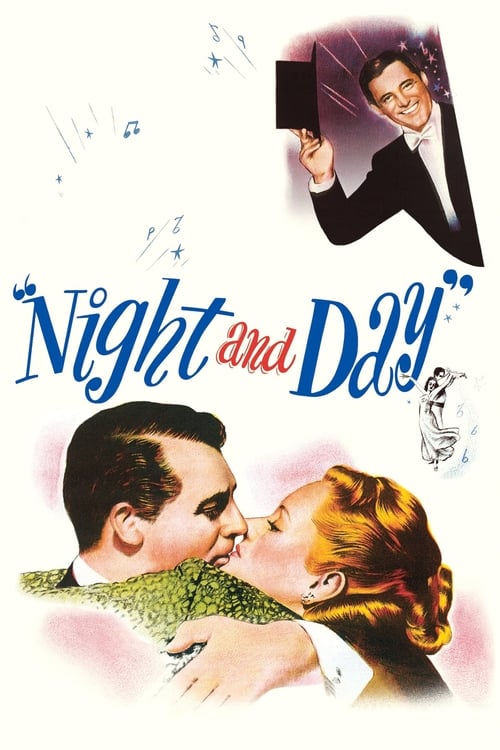
1946
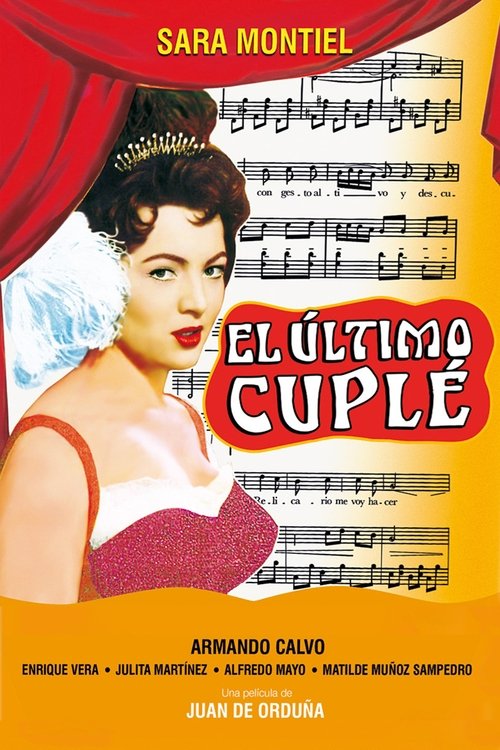
1957
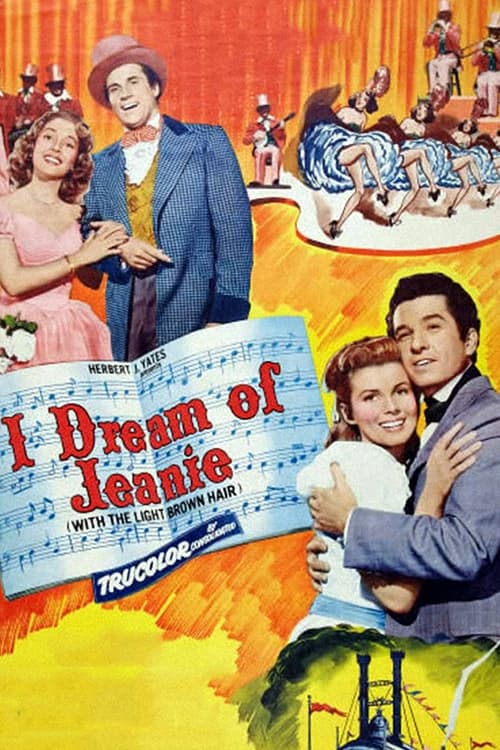
1952
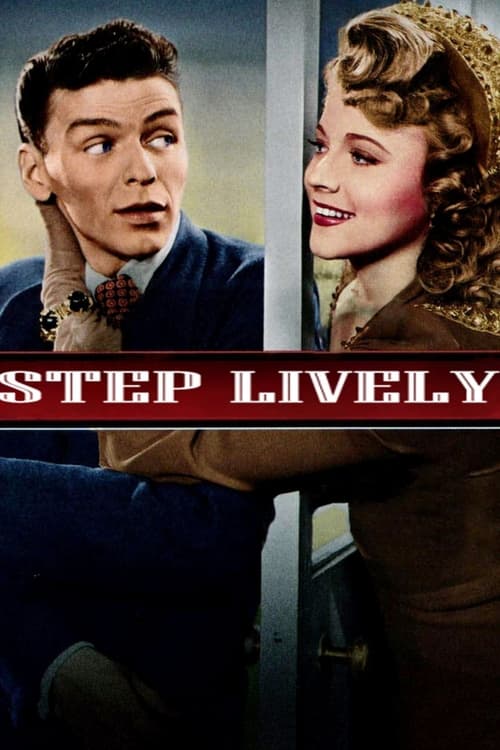
1944
1945
1959
1959

1952
No reviews yet. Be the first to share your thoughts on this movie!
Use the rating form above to leave a star rating and optional review.