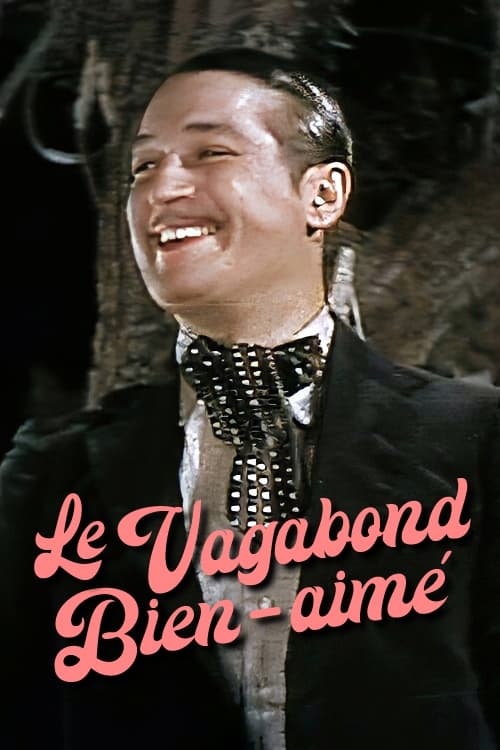
The Beloved Vagabond
1936
No user ratings available yet
Representation score: 3.3 out of 10

Representation Score
Minimal
1936
ApprovedDirector
Curtis Bernhardt
Runtime
78 minutes
Average Rating
No ratings yetNew Showbiz Analysis
The Beloved Vagabond is a classic example of 1930s studio-era filmmaking, emphasizing romantic melodrama over social disruption. It operates strictly within the social norms of its time, focusing on class distinctions and traditional courtship. The film lacks multi-layered depth, presenting a culturally uniform European environment with a homogeneous cast. It does not engage with diverse ethnic perspectives or non-assuming gender matches what was assigned at birth identities, adhering instead to the era’s standard social and romantic expectations. Ultimately, the production reinforces traditional storytelling while maintaining established cultural norms.
Category Breakdown
The film follows a typical heterosexual storyline without exploring any non-traditional gender identities or same-sex relationships.
The movie adheres to traditional 1930s gender roles and courtship norms. While the female lead has some influence in her romantic choices, the film upholds the era’s gender dynamics.
The cast and setting are primarily Eurocentric and lack diversity. The film does not include characters from different ethnic backgrounds or non-Anglo-Saxon perspectives.
The story examines socioeconomic differences through romantic drama but does not critique Western institutions or offer anti-establishment viewpoints.
The film portrays characters within the context of able-bodied norms and does not depict individuals with physical, sensory, or neurodivergent conditions.
Present on Screen
Limited or Absent
Official Synopsis
Flying from one charming lady---eluding another---and almost losing both!
1936
1934
1938
1934
1931
1936
1940
1936
No reviews yet. Be the first to share your thoughts on this movie!
Use the rating form above to leave a star rating and optional review.