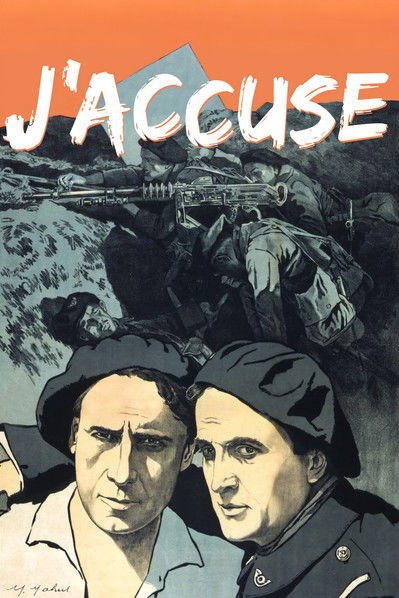
J'Accuse
1919
No user ratings available yet
Representation score: 3.7 out of 10
Representation Score
Fair
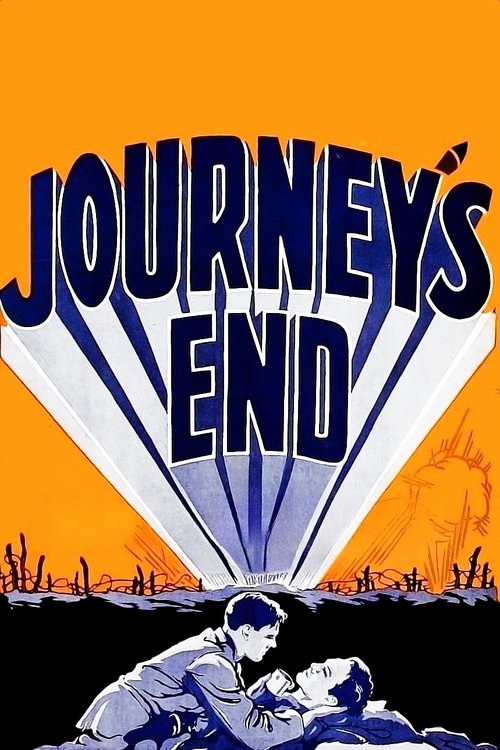
1930
NRDirector
James Whale
Runtime
116 minutes
Average Rating
No ratings yetNew Showbiz Analysis
Journey's End is a war drama that prioritizes the internal psychological struggles of soldiers over traditional heroic clichés. While its demographic diversity is limited by its historical setting, the film excels in its exploration of trauma and skepticism toward institutional authority. The narrative's strength lies in its sophisticated critique of institutionalized conflict and its portrayal of psychological exhaustion. However, the film remains limited by its homogeneous cast and lack of female presence.
Category Breakdown
The film focuses on an all-male cast, with no explicit LGBTQ+ characters. However, the strong emotional bonds between male officers provide a subtle departure from rigid masculinity.
Set in a strictly masculine military environment, the film lacks women's ability to drive the story. The narrative emphasizes the breakdown of military composure rather than challenging gender hierarchies.
The cast is nearly all white British men, reflecting the historical composition of the British Expeditionary Force in 1917. There are no significant minority portrayals.
The film critiques institutional structures by focusing on moral exhaustion rather than wartime glory. It portrays traditional Western institutions and military command as engines of futility.
The film offers a dignified depiction of psychological trauma through shell shock. It treats mental trauma as a central, lived experience rather than a mere plot device.
Present on Screen
Limited or Absent
Official Synopsis
In 1917 France, an alcoholic captain is afraid that his new replacement, his sweetheart's brother, will betray his downfall.
1919
1925

1934

1930

1931

1932

1928
2017
No reviews yet. Be the first to share your thoughts on this movie!
Use the rating form above to leave a star rating and optional review.