The Sundowners
1960
No user ratings available yet
Representation score: 0.9 out of 10
Representation Score
Limited
1950
ApprovedDirector
Ralph Smart
Runtime
89 minutes
Average Rating
No ratings yetNew Showbiz Analysis
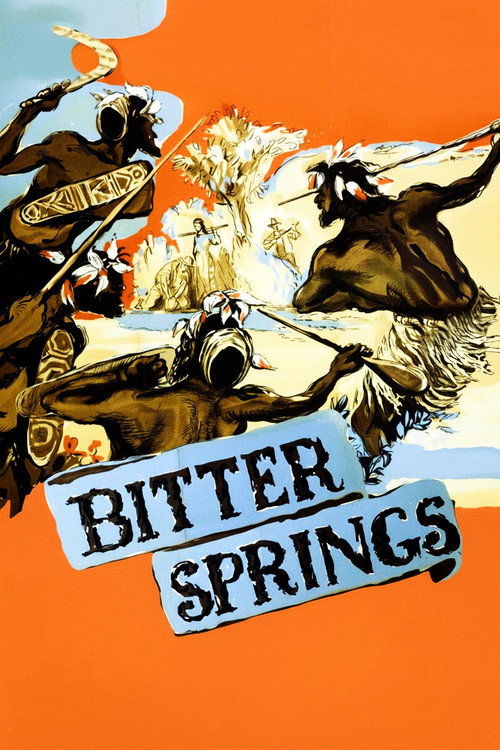
Bitter Springs serves as a historical drama that challenges the traditional 'pioneer hero' cliché. By focusing on the displacement of Indigenous Australians, the film shifts away from a purely celebratory settler narrative. While the film offers a critical post-colonial view of land acquisition and systemic tensions, it still adheres to the social and gender norms of the mid-20th century. The portrayal of the frontier as a site of lawlessness provides a complex, morally ambiguous view of history. Ultimately, the film's strength lies in its refusal to present a sanitized view of Western expansion, even while upholding mid-century hierarchies regarding gender and identity.
Category Breakdown
The film does not include any identifiable LGBTQ+ characters or stories. The social context stays closely tied to mid-20th-century standards that assume everyone is straight or cisgender.
Female characters are mostly confined to traditional domestic roles. The story does not significantly challenge the roles of women or men from a gender perspective.
The film highlights the conflicts arising from the presence of non-Anglo-Saxon groups. It challenges the 'empty land' myth by focusing on the displacement of Indigenous peoples.
The narrative criticizes the expansionist settler-colonial model by showing colonization as a source of violent conflict. It avoids traditional Western triumphalism and instead presents a morally ambiguous view.
The film does not prominently depict characters with physical or neurodivergent disabilities. Such characters do not play a significant role in driving the narrative.
Present on Screen
Limited or Absent
Official Synopsis
A family buy land set around a water hole in a remote location, that is occupied by native Australians. The two groups clash.
1960
1982
1949
1965
1955

1953
1936
1963
No reviews yet. Be the first to share your thoughts on this movie!
Use the rating form above to leave a star rating and optional review.