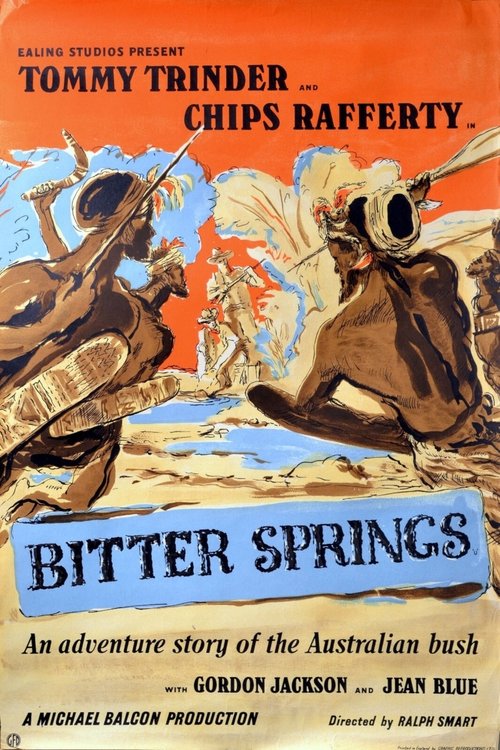
Bitter Springs
1950
No user ratings available yet
Diversity score: 4.7 out of 10
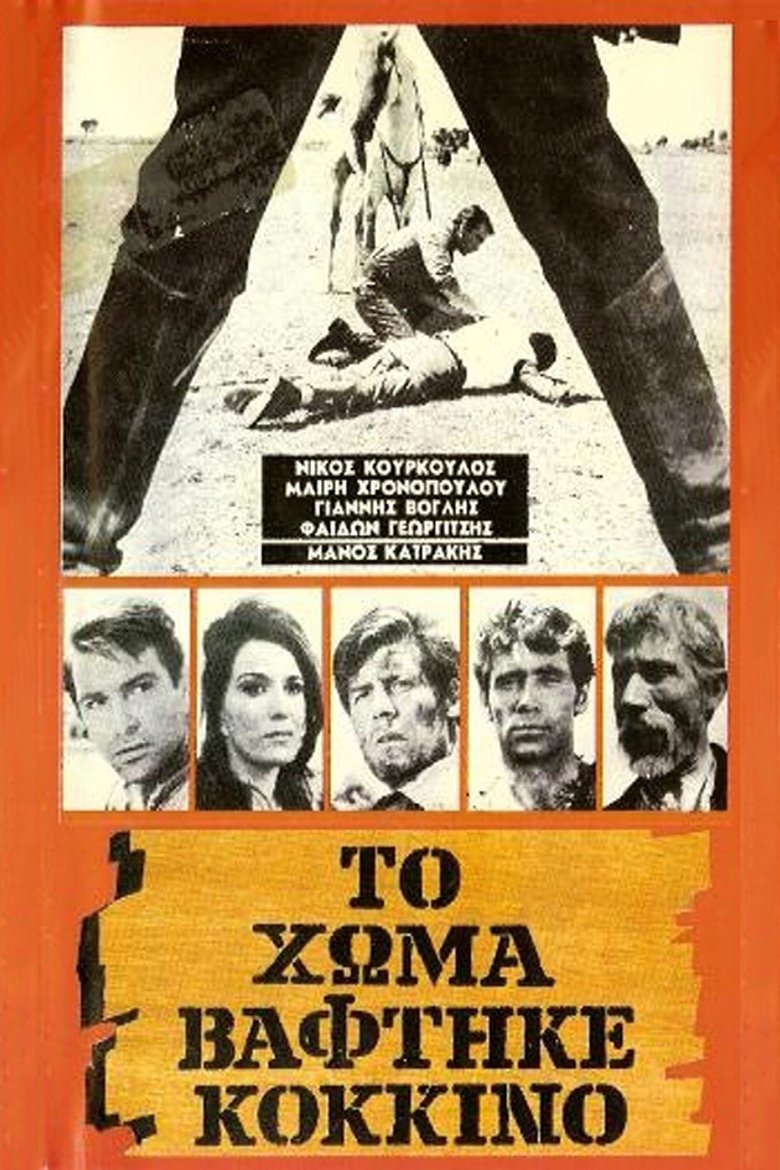
1966
Director
Vasilis Georgiadis
Runtime
130 minutes
Average Rating
No ratings yetSynopsis
Two rival brothers vie for the same woman against the backdrop of peasant revolts in their Greek homeland.
Overall Score
Fair
Category Breakdown
LGBTQ+ Representation
The film focuses on a traditional romantic rivalry between two brothers. There is no evidence of queer narratives or non-heteronormative identities present.
Gender Representation
A female protagonist serves as the central catalyst for conflict. However, her agency appears tied to being an object of desire rather than an independent driver of the plot.
Racial & Ethnic Diversity
The story offers a deep immersion into a specific Greek regional landscape. While ethnically homogeneous, it avoids a Western-centric lens by focusing on internal agrarian struggles.
Religious & Cultural Diversity
The narrative disrupts traditional hierarchies by centering on peasant revolts. It provides a sophisticated critique of landowner structures and class distinctions through systemic upheaval.
Disability Representation
There is no discernible evidence regarding the portrayal of physical or neurodivergent disabilities in this work.
Strengths
Areas for Improvement
AI Analysis
Blood on the Land is a period drama that prioritizes social and class critique over modern identity-based representation. Its primary strength lies in its exploration of systemic inequality and the friction between the oppressor and the oppressed. The film succeeds in deconstructing agrarian power dynamics and challenging established property rights. It moves beyond simple morality by presenting a protagonist who refuses the violent expectations of his social class. However, the film remains limited by the conventional tropes of its era. It lacks representation for LGBTQ+ identities and neurodiversity, and the female lead functions more as a plot device than a fully autonomous character.
No reviews yet. Be the first to share your thoughts on this movie!
Use the rating form above to leave a star rating and optional review.