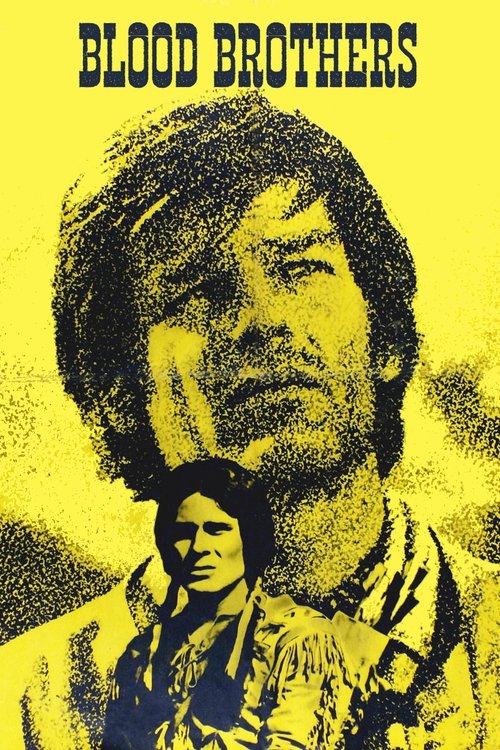
Blood Brothers
1975
No user ratings available yet
Representation score: 3.7 out of 10
Representation Score
Fair
1970
Director
Konrad Petzold
Runtime
103 minutes
Average Rating
No ratings yetNew Showbiz Analysis
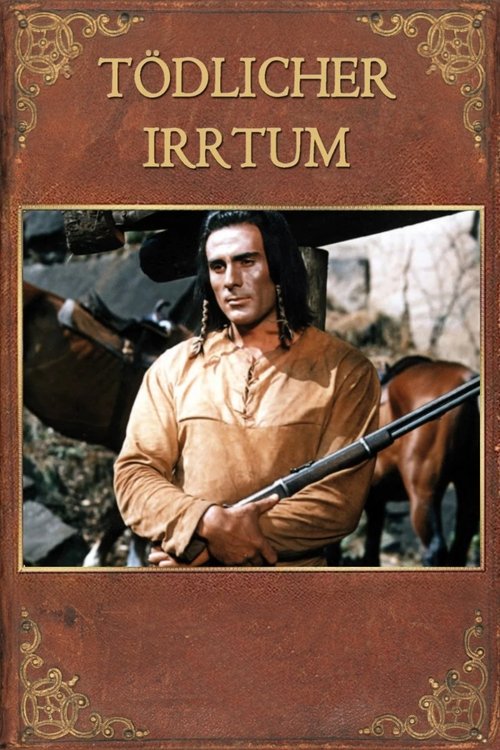
Fatal Error serves as a critique of colonialist resource extraction, moving away from the idealized myths of Western progress. By centering the conflict on illegal oil pumping and corporate malpractice, the film highlights the struggles of Native American characters fighting for their land. However, the film remains anchored in the social hierarchies of its era. The narrative is heavily male-centric, focusing on the machinations of greedy agents and tribal chiefs, which limits the breadth of its social representation. While the film disrupts the 'civilization vs. wilderness' cliché through its mixed-heritage protagonist, it lacks diversity in gender and LGBTQ+ perspectives.
Category Breakdown
The film does not include any visible LGBTQ+ characters or narratives related to queer identities. It follows the conventional social structures typical of a 19th-century Western setting.
The story revolves around a male-dominated power struggle between oil agents and tribal leaders. Female roles are not detailed, indicating a traditional masculine framework.
The narrative focuses on the displacement of Native Americans by corporate interests. A half-blooded protagonist helps bridge different worlds, challenging common genre binaries.
The film critiques Western expansionism by depicting the oil company as a predatory entity. It prioritizes the perspective of displaced indigenous people over the pioneer archetype.
There is no information regarding the depiction of physical or neurodivergent characters in this work.
Present on Screen
Limited or Absent
Official Synopsis
At the end of the 19th century, the Wyoming Oil Company has established itself in the vicinity of Wind River City at the foot of the Rocky Mountains, where they have been illegally pumping oil from Native American territory. One of the company's greedy agents, Mike Allison, kicks out both his white partners and the Native Americans. He has his some of his associates secretly murdered and blames it on the Native Americans, who are then killed when they get in the way of his plans. Five chiefs with lifelong shares in the Oil Company die mysteriously as a result. The young chief Shave Head asks his a half-blooded brother Chris Howard for help.
1975
1963

1972
1964
1954

1950

1978
1972
No reviews yet. Be the first to share your thoughts on this movie!
Use the rating form above to leave a star rating and optional review.