Fatal Error
1970
No user ratings available yet
Representation score: 4.0 out of 10
Representation Score
Limited
1975
Director
Werner W. Wallroth
Runtime
92 minutes
Average Rating
No ratings yetNew Showbiz Analysis
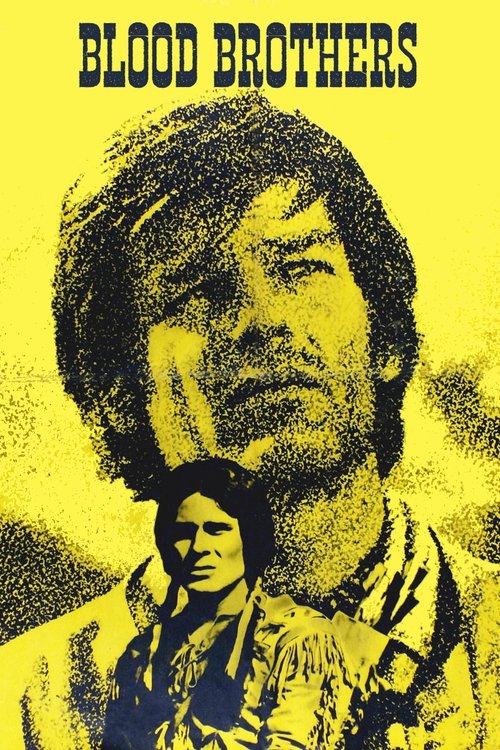
Blood Brothers challenges traditional Western narratives by focusing on the Sand Creek Massacre and the systemic violence inflicted upon Indigenous populations. The film shifts the focus from traditional frontier heroism to a more nuanced exploration of moral relativism and historical trauma. By centering Indigenous perspectives and critiquing American military expansionism, the film provides a critical lens on institutional power. However, the film remains limited by traditional genre archetypes and lacks diverse gender roles and representation for LGBTQ+ or disabled communities.
Category Breakdown
The film does not include any representations of LGBTQ+ identities or narratives.
The story centers around male soldiers and their conflicts, while women and children are mentioned mainly as plot catalysts rather than active agents.
The film challenges traditional Western clichés by focusing on the Cheyenne people and critiquing American military actions. It highlights the ability to act and suffering of Indigenous peoples.
The film critiques Western institutional morality and American imperialism. The protagonist's desertion suggests a preference for personal moral autonomy over state-sanctioned beliefs.
There is no information available regarding the depiction of physical or neurodivergent disabilities within the film.
Present on Screen
Limited or Absent
Official Synopsis
In 1864, American soldiers massacre a Cheyenne village at Sand Creek. Disgusted by the massacre, Harmonika, one of the soldiers, deserts the army and is captured by the Indians. At first, the Cheyenne hold him responsible for the murder of the wife and the son of their chief Grauer Esel, but soon Harmonika obtains the tribe′s confidence.
1970
1970
1954
1965

1972

1950
1983
1970
No reviews yet. Be the first to share your thoughts on this movie!
Use the rating form above to leave a star rating and optional review.