Bird of Paradise
1951
No user ratings available yet
Representation score: 1.0 out of 10
Representation Score
Limited
1966
ApprovedDirector
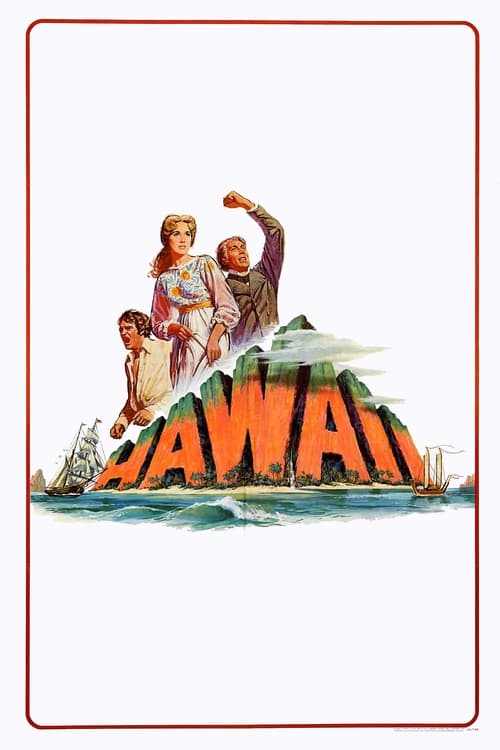
George Roy Hill
Runtime
189 minutes
Average Rating
No ratings yetNew Showbiz Analysis
George Roy Hill’s epic stands out as a nuanced examination of cultural conflict rather than a typical adventure film. Its strongest point is its post-colonial perspective, which treats the Hawaiian monarchy and its customs with respect and complexity. This avoids the common pitfall of historical epics that reduce indigenous cultures to mere backdrops for Western heroism. However, the film remains tied to traditional gender dynamics. The narrative emphasizes colonial exploration and missionary work, focusing on male-dominated spheres and leaving female characters confined by the patriarchal structures of the time. Overall, the film offers a sophisticated critique of imperialism. Despite lacking LGBTQ+ or disability representation, it effectively highlights the systemic impact of cultural collision, providing a depth rarely seen in 1960s historical cinema.
Category Breakdown
The film does not include any LGBTQ+ characters or stories. The social structures shown are traditionally focused on straight relationships.
The story focuses on male-dominated areas of colonial exploration and tribal leadership. Female characters play important roles but are limited by the patriarchal structures of their time.
The film portrays Native Hawaiians as a complex society with intricate social structures. It avoids oversimplified stereotypes by giving indigenous characters significant depth and importance.
The film questions the idea of Western civilization by showing religious imposition as a destabilizing force. It respects Hawaiian spiritual traditions as legitimate and sophisticated.
There is not enough information in the film to evaluate the depiction of physical or neurodivergent disabilities.
Present on Screen
Limited or Absent
Official Synopsis
Abner Hale, a rigid and humorless New England missionary, marries the beautiful Jerusha Bromley and takes her to the exotic island kingdom of Hawaii, intent on converting the natives. But the clash between the two cultures is too great and instead of understanding there comes tragedy.
1951
1991
1979
1931
1970
1959

1991
1957
No reviews yet. Be the first to share your thoughts on this movie!
Use the rating form above to leave a star rating and optional review.