Death in the Garden
1956
No user ratings available yet
Representation score: 8.4 out of 10
Representation Score
Fair
1979
Director
Alberto Vázquez Figueroa
Runtime
94 minutes
Average Rating
No ratings yetNew Showbiz Analysis
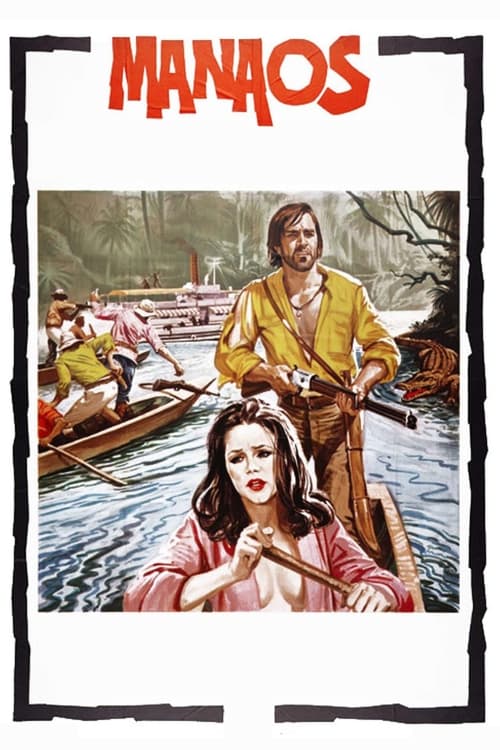
Manaos is a work of social critique that uses the Amazonian jungle to explore the tension between systemic exploitation and communal ability to act. The film's narrative structure is centered around the dehumanization of workers and the critique of colonial-style capitalism. The film's main strength lies in its racial and cultural positioning. By focusing on the inhabitants' resistance against plantation owners, it centers the perspectives of those historically disenfranchised by extractive economic models. However, the film lacks specific representation or character arcs for LGBTQ+ individuals, physical or neurodivergent disabilities, and detailed exploration of female roles within the primary labor conflict.
Category Breakdown
The film does not include any LGBTQ+ character arcs or narratives that challenge the assumption that everyone is straight or cisgender. There is no such representation in the context of 1970s social realism.
The story focuses on labor and class struggles, which often reinforce traditional gender hierarchies. While women's roles are not explicitly detailed, the theme of communal resistance suggests potential challenges to traditional power structures.
The Amazonian setting and rubber plantation subject matter inherently center indigenous and local populations. The conflict highlights the ability to act of underrepresented ethnic groups fighting against dominant external powers.
The film strongly critiques anti-colonial and anti-capitalist themes. It prioritizes collective survival and resistance against the exploitative economic models of plantation owners.
There is no documented evidence regarding the portrayal of physical or neurodivergent disabilities in this work.
Present on Screen
Limited or Absent
Official Synopsis
At the beginning of this century some owners of rubber plantations in the Amazonas jungle convert a village into one big prison. But the inhabitants have other plans...
1956

1964
1981
1987
1982
1985

2001
1986
No reviews yet. Be the first to share your thoughts on this movie!
Use the rating form above to leave a star rating and optional review.