The Washington Masquerade
1932
No user ratings available yet
Representation score: 1.1 out of 10
Representation Score
Limited
1952
ApprovedDirector
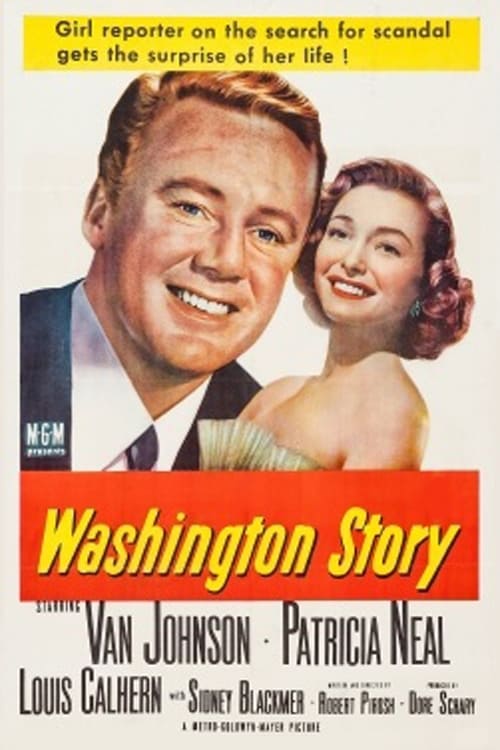
Robert Pirosh
Runtime
81 minutes
Average Rating
No ratings yetNew Showbiz Analysis
Washington Story is a traditional mid-century political drama centered on a journalist's investigation into a Congressman's public image. While it features a female protagonist in a professional role, the film remains anchored in the social and institutional norms of its era. The narrative prioritizes individual morality and character integrity over systemic critiques of power. It lacks the demographic breadth or layered representation found in more progressive works. Ultimately, the film operates as a standard period piece reflecting the homogeneous casting and conventional social hierarchies of 1950s American cinema.
Category Breakdown
The film does not include any characters with non-binary or LGBTQ+ identities or same-sex relationships. It follows the traditional romantic and social norms of 1952 cinema.
A female reporter plays a key role, providing a professional perspective that slightly deviates from the typical domestic roles of the time. However, her actions often serve to validate or challenge male authority figures.
The story centers on a Western political framework and likely reflects the homogeneous, Anglo-Saxon casting standards common in mid-century Hollywood.
The narrative emphasizes the integrity of U.S. political institutions. It highlights the importance of institutional transparency without critiquing broader Western systems.
There is no information about characters with physical or neurodivergent disabilities.
Present on Screen
Limited or Absent
Official Synopsis
A reporter (Patricia Neal) suspects the "nice guy" image of a respected Congressman (Van Johnson) is all a facade and sets out to uncover the truth.
1932
1952
1949
1953
1948
1947

1955

1950
No reviews yet. Be the first to share your thoughts on this movie!
Use the rating form above to leave a star rating and optional review.