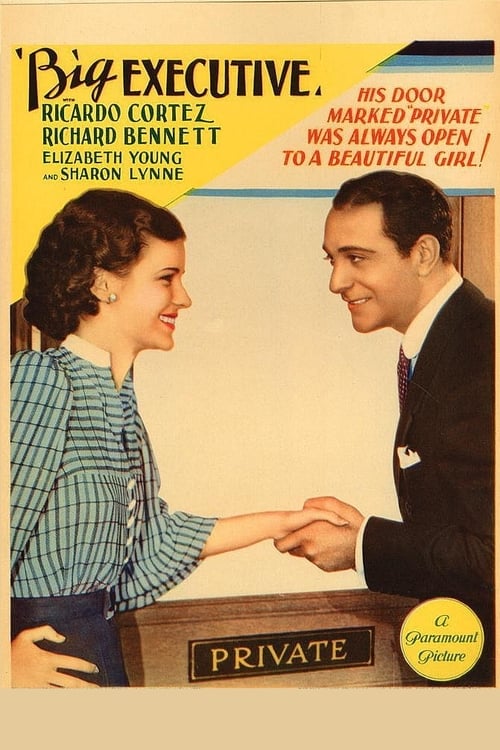
Big Executive
1933
No user ratings available yet
Representation score: 0.5 out of 10
Representation Score
Minimal
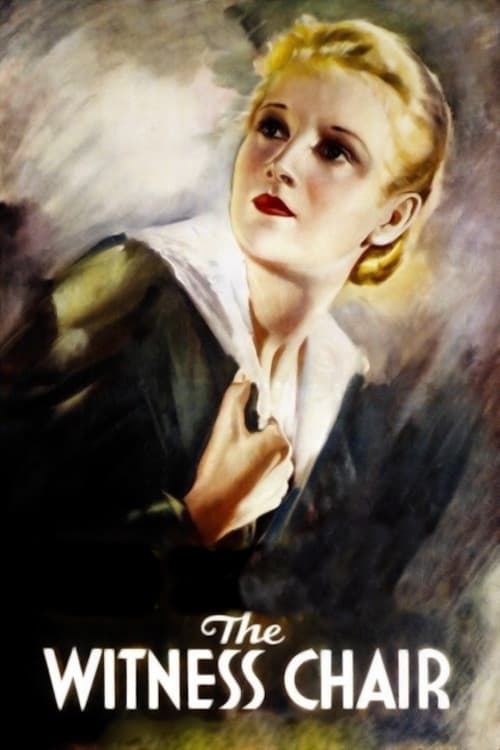
1936
NRDirector
George Nichols Jr.
Runtime
64 minutes
Average Rating
No ratings yetNew Showbiz Analysis
The Witness Chair is a typical mid-1930s studio drama that adheres strictly to the social and structural norms of its time. It centers on a corporate mystery involving embezzlement and legal investigation, without disrupting traditional clichés. The film's perspective is rooted in established institutional hierarchies. While it features a female lead, the narrative momentum is largely driven by the actions and conflicts of men in positions of power. Ultimately, the work lacks multi-layered complexity, presenting a homogeneous view of the professional class with little racial, cultural, or identity-based diversity.
Category Breakdown
The film does not include any LGBTQ+ characters or non-straight identities. The story follows a traditional romantic and dramatic structure typical of the 1930s.
Paula Young is a central protagonist, but the plot is primarily driven by male figures. Women navigate professional spaces dominated by male authority and conflict.
The narrative depicts a homogeneous professional class. There are no non-white or non-Anglo-Saxon characters in the corporate or legal setting.
The film operates within a traditional Western framework. It reinforces the stability of legal and corporate institutions without challenging them.
There is no information regarding characters with visible or invisible disabilities, neurodivergence, or chronic illness.
Present on Screen
Limited or Absent
Official Synopsis
Late one night, secretary Paula Young (Ann Harding) leaves the office of her boss, Stanley Whittaker (Douglas Dumbrille, locking the door and taking the stairs to avoid being seen by the elevator operator (Frank Jenks). The next morning, the cleaning lady finds Whittaker's dead body, an apparent suicide. Police Lieutenant Poole (Moroni Olsen) finds a letter signed by Whittaker in which the deceased states he embezzled $75,000. Soon, however, he suspects otherwise and, after investigating, arrests widower James "Jim" Trent (Walter Abel), the vice president of Whittaker.
1933
1945
1937
1940
1943
1941
1945
1954
No reviews yet. Be the first to share your thoughts on this movie!
Use the rating form above to leave a star rating and optional review.