Jumping the Blanket
1895
No user ratings available yet
Representation score: 0.6 out of 10
Representation Score
Minimal
1896
Not RatedDirector
Georges Méliès
Runtime
1 minutes
Average Rating
No ratings yetNew Showbiz Analysis
This film reflects the narrow, male-dominated comedic vignettes of its era. The narrative is a brief, singular premise centered on a slapstick transgression of authority. It lacks the multi-layered complexity found in modern storytelling. The production features a homogeneous cast and lacks diverse identities, functioning more as a primitive cinematic sketch than an intentional engagement with systemic power dynamics or social critique.
Category Breakdown
The film does not include any LGBTQ+ characters or themes. A brief comedic interaction between male characters is the only mention of gender.
The story focuses on a male-centric environment with a soldier and two men. Female characters and gendered roles are completely absent.
The cast appears homogeneous with no visible ethnic diversity. There is no indication of non-white or non-Anglo-Saxon representation.
The film includes a simple gag about social order and the prohibition of posting bills. It does not offer a critique of Western institutions or religion.
There are no visible or invisible disabilities portrayed. Characters operate within standard physical and neurotypical parameters typical of early silent comedy.
Present on Screen
Limited or Absent
Official Synopsis
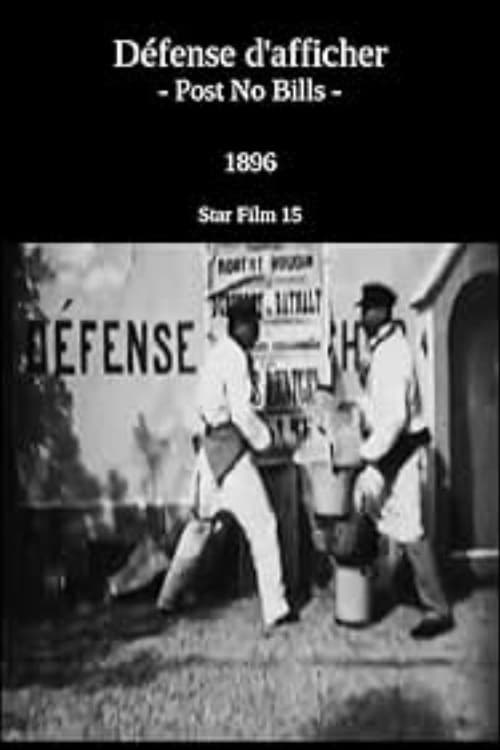
A soldier stands guard at a sentry box and leaves it unprotected for a moment, a moment that two men take advantage of to put up posters where it is prohibited.
1895
1897
1896
1903
1897
1900
1899
1896
No reviews yet. Be the first to share your thoughts on this movie!
Use the rating form above to leave a star rating and optional review.