
Post No Bills
1896
No user ratings available yet
Diversity score: 1.8 out of 10
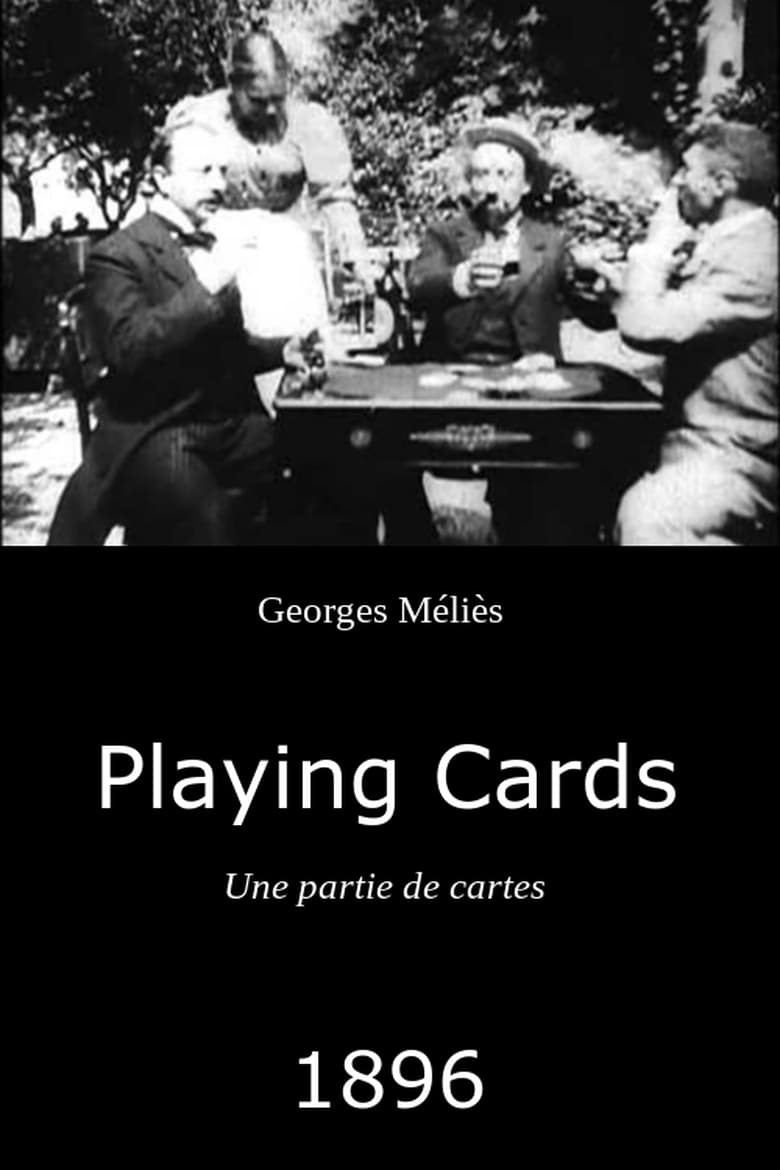
1896
Not RatedDirector
Georges Méliès
Runtime
1 minutes
Average Rating
No ratings yetSynopsis
Three friends are playing cards in a beer garden. One of them orders drinks. The waitress comes back with a bottle of wine and three glasses on a tray. The man serves his friends. They clink glasses and drink. Then the man asks for a newspaper. He reads a funny story in it and the three friends burst out laughing while the waitress merely smiles.
Overall Score
Minimal
Category Breakdown
LGBTQ+ Representation
The film contains no depiction of queer identities or non-heteronormative intimacy. The focus remains entirely on a traditional social interaction between male acquaintances.
Gender Representation
Agency is heavily imbalanced, with men driving the social interaction. The female presence is limited to a waitress performing a service role, reinforcing 19th-century gender hierarchies.
Racial & Ethnic Diversity
The cast appears homogeneous, reflecting the demographic norms of late 19th-century France. There is no evidence of racial blending or diverse ethnic identities present.
Religious & Cultural Diversity
The setting depicts a conventional Western beer garden and adheres to standard period etiquette. It reinforces the status quo rather than engaging with alternative cultural narratives.
Disability Representation
There are no discernible depictions of physical or neurodivergent disabilities within this brief, single-scene work.
Strengths
Areas for Improvement
AI Analysis
Georges Méliès' early work prioritizes technical experimentation and spectacle over social commentary. The film serves as a historical snapshot of late-Victorian social structures, emphasizing a homogeneous male cast and rigid gender roles. Because the work predates modern intersectional storytelling, it lacks the narrative tools to challenge the systemic hierarchies it presents. The film functions as a stable, traditional scene of middle-class leisure. Ultimately, the lack of diverse representation is a reflection of the era's standard social depictions rather than an intentional narrative choice to exclude specific identities.
1896
1895
1897
1894
1900
1903
1908
1900
1897
1908
1899
1903
No reviews yet. Be the first to share your thoughts on this movie!
Use the rating form above to leave a star rating and optional review.