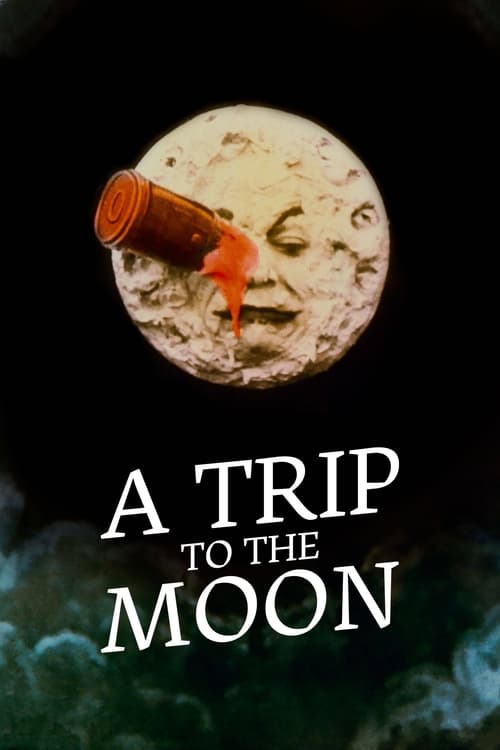
A Trip to the Moon
1902
No user ratings available yet
Diversity score: 1.5 out of 10
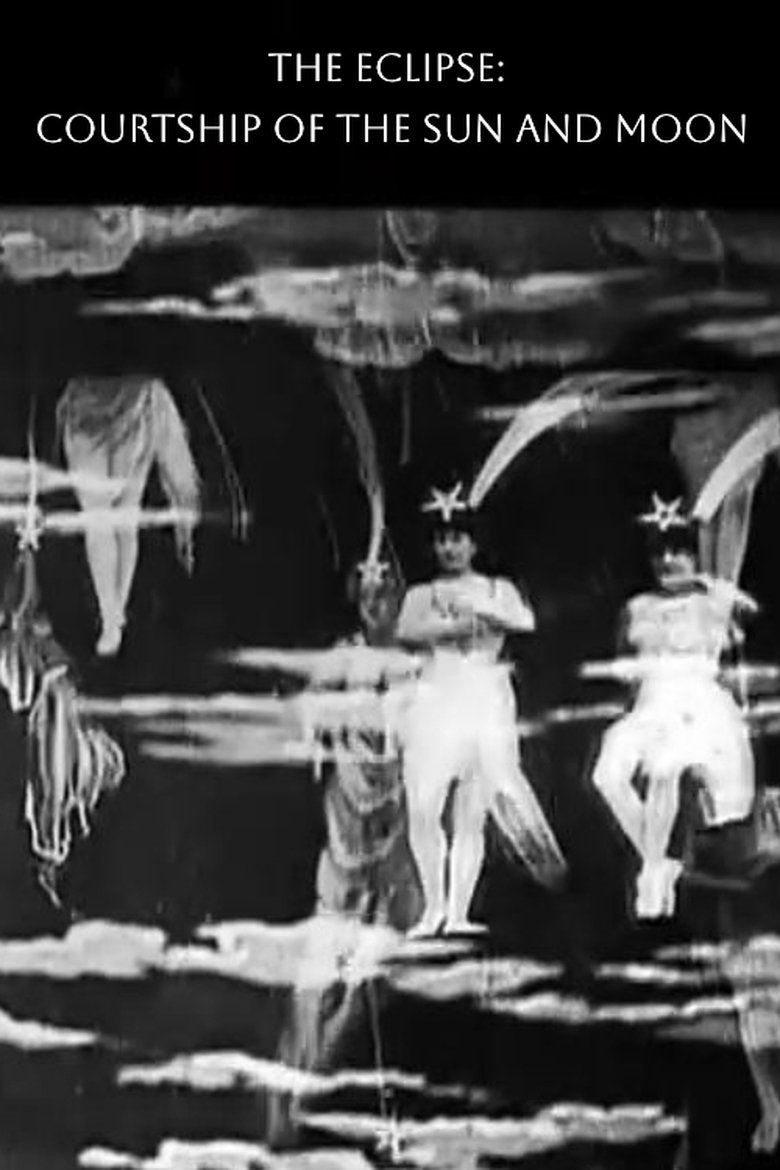
1907
Not RatedDirector
Georges Méliès
Runtime
9 minutes
Average Rating
No ratings yetSynopsis
In this film, Méliès concocts a combination fairy- and morality tale about the foolishness of trying to look too deeply into the workings of an unstable and inscrutable universe. At a medieval school, an old astronomer begins to teach a class of young men, all armed with telescopes, about the art of scrutinising an imminent eclipse. When a mechanical clock strikes twelve, all the young men rush to the windows and fix their telescopes on the heavens.
Overall Score
Minimal
Category Breakdown
LGBTQ+ Representation
The film lacks any evidence of LGBTQ+ characters or narratives. The focus remains on a group of young men in a scholastic setting without documented non-heteronormative subtext.
Gender Representation
The narrative centers on a male-dominated medieval school of astronomy. Agency is held exclusively by an old astronomer and his male students, reinforcing traditional gendered hierarchies in science.
Racial & Ethnic Diversity
Set in a medieval European scholastic environment, the cast reflects a homogeneous demographic. There is no evidence of racial blending or the subversion of Anglo-Saxon casting norms.
Religious & Cultural Diversity
As a morality tale, the film critiques the drive for scientific mastery. It frames the universe as inscrutable, offering a subtle skepticism toward human exceptionalism within traditional structures.
Disability Representation
There is no documented evidence of characters with visible or invisible disabilities. No such traits are utilized as narrative devices within the story.
Strengths
Areas for Improvement
AI Analysis
Georges Méliès’s work prioritizes imaginative spectacle and surrealism over social realism. While his visual style disrupts reality, the social architecture of this film remains deeply traditional and period-specific. The narrative is built around a homogeneous group of male scholars in a historical European setting. This structure limits the potential for intersectional representation or the subversion of established social norms. Ultimately, the film functions as a morality tale that reinforces early 20th-century hierarchies, offering very little diversity in terms of gender, race, or identity.
1902
1900
1905
1898
1907

1904
1900

1896
1897

1897
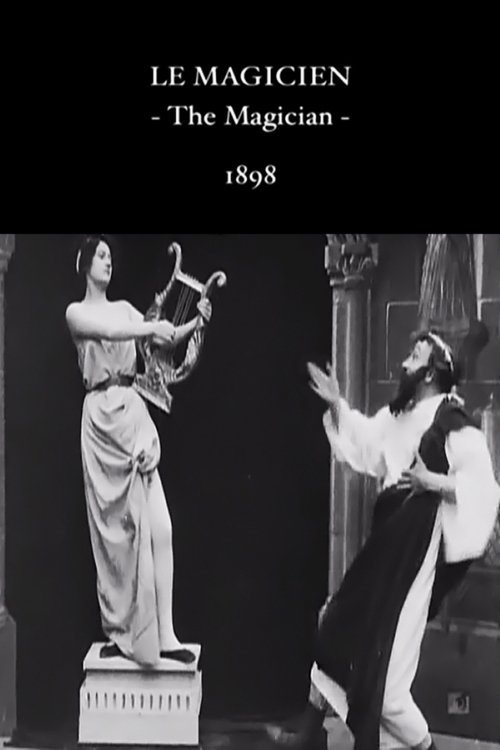
1898
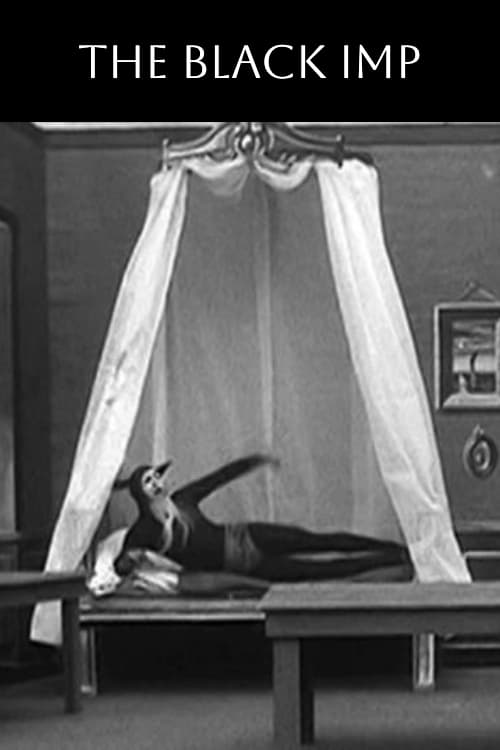
1905
No reviews yet. Be the first to share your thoughts on this movie!
Use the rating form above to leave a star rating and optional review.