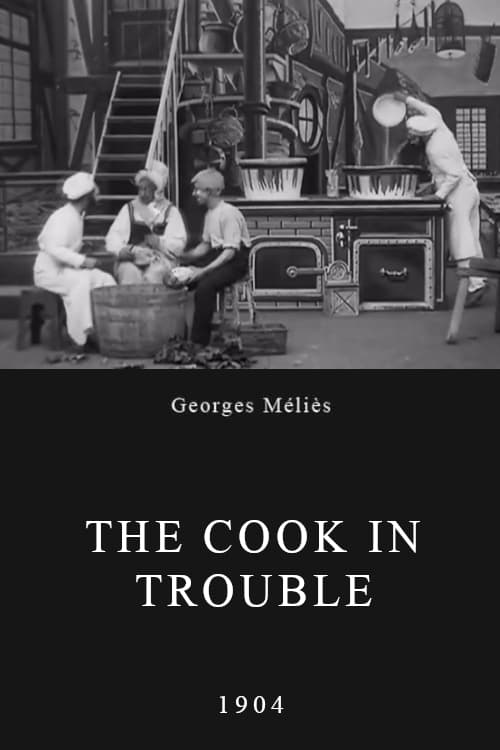
The Cook in Trouble
1904
No user ratings available yet
Representation score: 1.6 out of 10
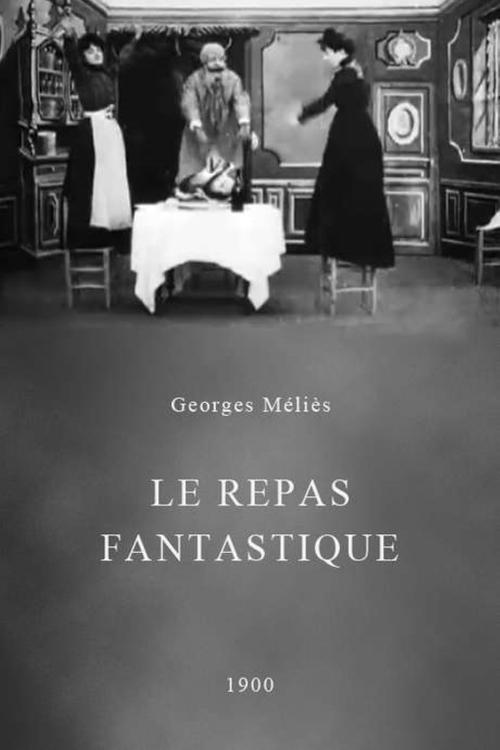
Representation Score
Minimal
1900
Not RatedDirector
Georges Méliès
Runtime
1 minutes
Average Rating
No ratings yetNew Showbiz Analysis
Georges Méliès' work is a technical milestone of early cinema, prioritizing visual whimsy and surreal spectacle over identity representation. The film functions as an experimental comedic piece that disrupts domestic rituals through fantasy. While the narrative challenges the stability of social orders by complicating a family meal, it remains rooted in the traditionalist framework of the turn of the century. It lacks the intentionality required for modern characters who reflect more than one aspect of diversity. Ultimately, the film serves as a study of early special effects rather than a vehicle for diverse character exploration.
Category Breakdown
The film does not include any depictions of non-straight relationships or same-sex intimacy. It focuses solely on a typical family unit.
The film likely upholds traditional gender roles common in early 20th-century cinema. There is no indication of women challenging social hierarchies or men being shown as incompetent.
The cast reflects the uniform demographics of early 20th-century French cinema. There is no evidence of race-bent casting or a diverse ethnic majority.
The film uses fantasy to disrupt the sanctity of a domestic meal. This disruption questions the predictability of established norms.
The film does not represent any physical or neurodivergent disabilities. There are no characters with such conditions.
Present on Screen
Limited or Absent
Official Synopsis
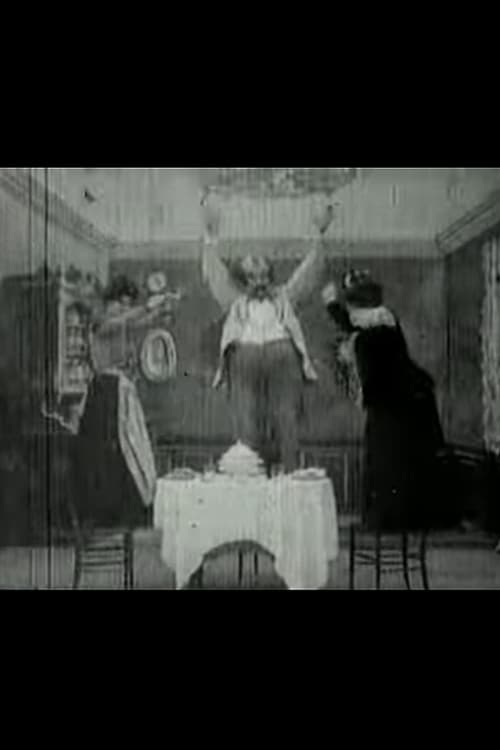
A family sits down to enjoy a meal that ends up being fraught with complications.
1904
1900
1900
1905
1906
1904
1908

1901
No reviews yet. Be the first to share your thoughts on this movie!
Use the rating form above to leave a star rating and optional review.