New York, Whitehall Street
1896
No user ratings available yet
Representation score: 0.8 out of 10
Representation Score
Minimal
1901
Not RatedDirector
George S. Fleming, Edwin S. Porter
Runtime
1 minutes
Average Rating
No ratings yetNew Showbiz Analysis
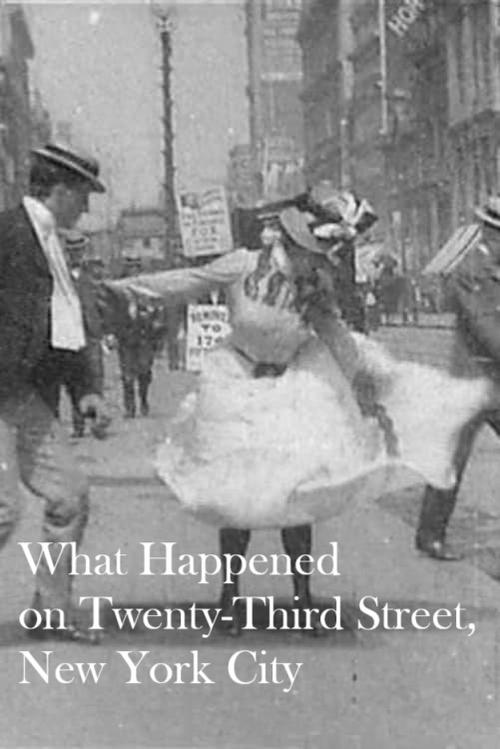
This early comedy relies on traditional social hierarchies and period-specific clichés. The humor centers on a female character's discomfort, positioning her as a subject of public amusement rather than an agent of her own story. The film captures the density of New York City but lacks intentional characters who reflect more than one aspect of diversity. It presents a homogeneous view of urban life reflecting the era's standard social norms. Ultimately, the work functions as a straightforward urban narrative that reinforces existing power dynamics and legal authority rather than challenging them.
Category Breakdown
The film does not include any characters with LGBTQ+ identities or non-assuming gender matches what was assigned at birth genders. It follows the social norms of the early 20th century.
Gender roles are shown through slapstick humor where a woman is made into a passive object of spectacle. Her involuntary loss of modesty and physical vulnerability are used for comedic effect.
The urban setting includes newsboys and bootblacks but lacks non-white or non-Anglo-Saxon characters. It reflects the homogeneous urban depictions typical of early silent cinema.
The narrative operates within conventional social frameworks without critiquing Western institutions. It reinforces standard social order through the presence of police and depictions of theft.
There is no evidence of characters with visible or invisible disabilities in the film's narrative.
Present on Screen
Limited or Absent
Official Synopsis
In front of one of the largest newspaper offices is a hot air shaft through which immense volumes of air are forced by a blower. Ladies in crossing this shaft often have their clothes slightly disarranged. A young lady and her male companion walk slowly along until they stand directly over the air shaft. The young lady's skirts are suddenly raised to an almost unreasonable height, greatly to her horror and much to the amusement of the newsboys, bootblacks and passersby.
1896
1907
1902
1897
1895
1896
1896
1896
No reviews yet. Be the first to share your thoughts on this movie!
Use the rating form above to leave a star rating and optional review.