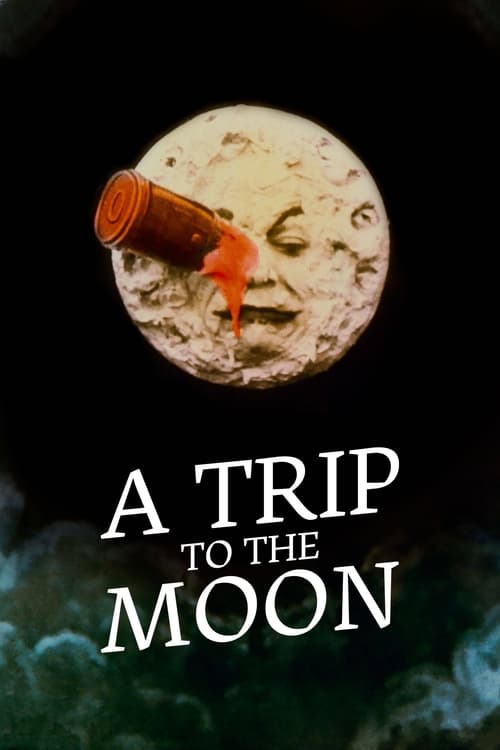
A Trip to the Moon
1902
No user ratings available yet
Representation score: 0.6 out of 10

Representation Score
Minimal
1904
Not RatedDirector
Georges Méliès
Runtime
20 minutes
Average Rating
No ratings yetNew Showbiz Analysis
Georges Méliès's masterpiece is a landmark of technical innovation and surrealist storytelling. It prioritizes visual spectacle and the disruption of realism through early special effects, laying the groundwork for the science fiction genre. However, the film operates strictly within the traditional social frameworks of 1904. The narrative centers on a homogeneous group of male explorers, offering little engagement with diverse identities or social deconstruction. Ultimately, the work is a celebration of Western scientific expansion. While it succeeds in creating a sense of cosmic wonder, it lacks any meaningful representation of gender, race, or disability.
Category Breakdown
The film does not depict any LGBTQ+ identities. The story focuses on the mechanics of a fantastical journey rather than personal identity.
The crew is made up of male experts, reinforcing a traditional hierarchy. There are no female characters or gender subversion in the plot.
The explorers form a homogeneous group. Costumed performers represent cosmic entities but serve as fantastical obstacles rather than nuanced representations of ethnic diversity.
The story celebrates early 20th-century Western optimism about scientific progress. It aligns with colonial-era fascination with mastering nature and space.
No characters are shown with visible or invisible disabilities. The focus remains on the vessel's movement and surreal encounters.
Present on Screen
Limited or Absent
Official Synopsis
Using every known means of transportation, several savants from the Geographic Society undertake a journey through the Alps to the Sun which finishes under the sea.
1902
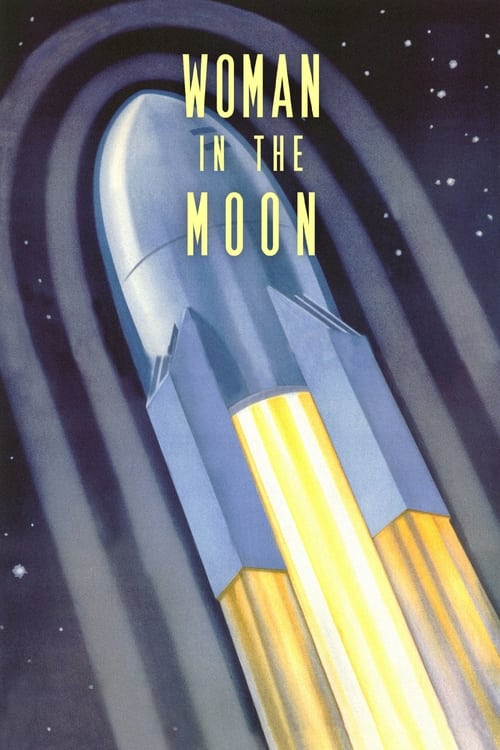
1929
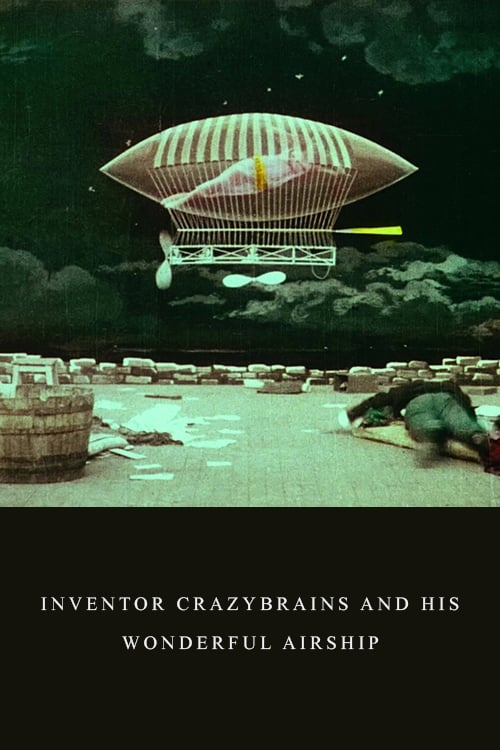
1905
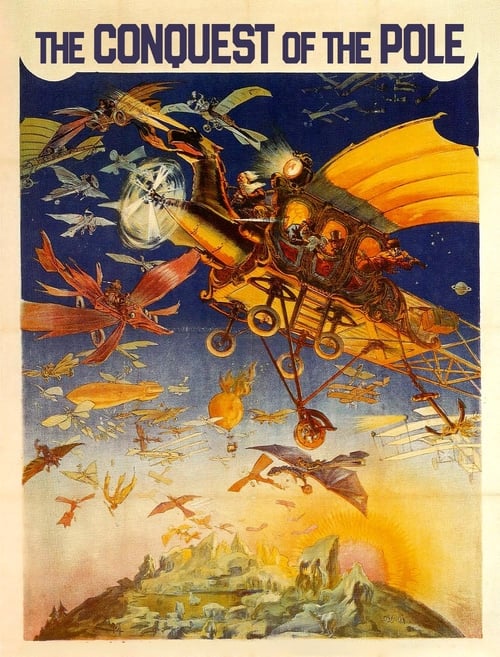
1912
1897
1906
1907

1907
No reviews yet. Be the first to share your thoughts on this movie!
Use the rating form above to leave a star rating and optional review.