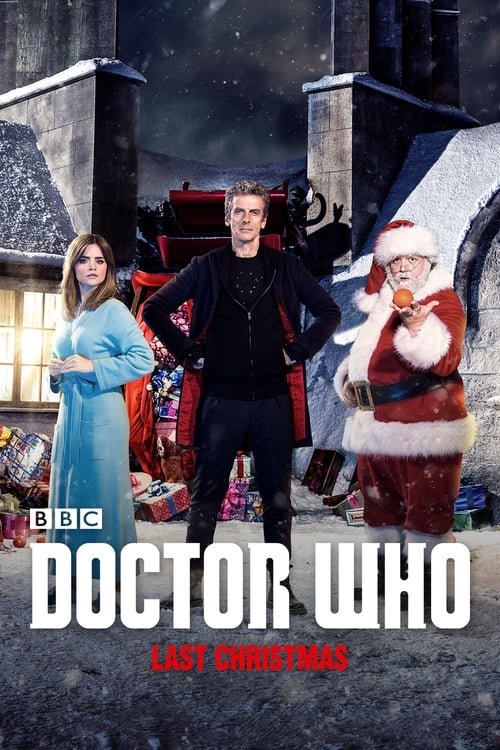
Doctor Who: Last Christmas
2014
No user ratings available yet
Representation score: 5.0 out of 10
Representation Score
Good
2014
TV-PGDirector
Ben Wheatley
Runtime
76 minutes
Average Rating
No ratings yetNew Showbiz Analysis
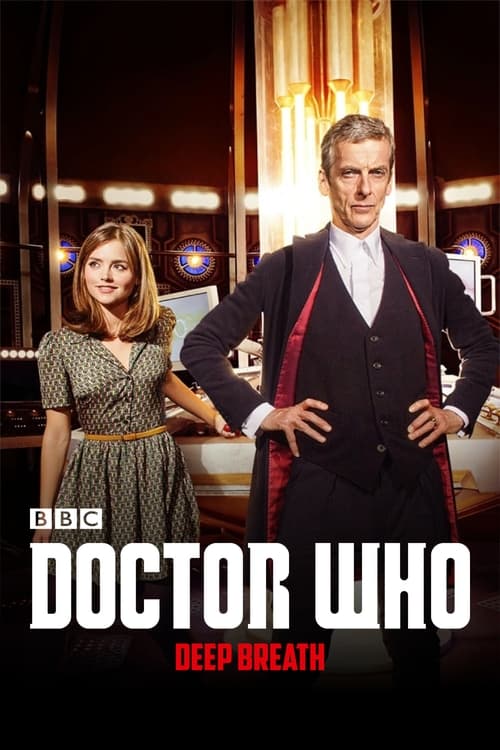
Deep Breath succeeds as a character study that dismantles the traditional hero archetype. By introducing a fragmented, non-conformist protagonist, the film challenges established genre clichés and Victorian social norms. The production's strength lies in its subversion of Victorian gender norms through powerful female characters and an unconventional Doctor. This intellectual parity offers a refreshing break from traditional romantic or submissive clichés. However, the historical setting restricts the scope of representation. The absence of LGBTQ+ and racial diversity, along with the use of disability metaphors primarily as plot devices, limits the diversity score.
Category Breakdown
The story does not explicitly depict same-sex relationships or non-binary gender identities. The main characters operate within traditional heterosexual norms without questioning these norms.
Missy provides a strong, chaotic female presence that defies traditional Victorian femininity. The Doctor disrupts traditional hierarchies by adopting a more abrasive, intellectually dominant persona instead of the gentlemanly archetype.
Set in 1890s London, the cast reflects the demographic homogeneity of the time. There is no indication of intentionally diverse casting or efforts to include different races.
The Doctor acts as a disruptor of Victorian social and religious hierarchies. While exploring moral relativism, the narrative does not have an explicit anti-Western or political stance.
Regeneration is used as a metaphor for neurodivergent-coded disorientation and identity crisis. However, these physiological changes serve mainly as plot drivers rather than nuanced explorations of lived disability.
Present on Screen
Limited or Absent
Official Synopsis
The newly-regenerated Doctor arrives in Victorian London, and Clara Oswald struggles to embrace the man he has become. All the while, they reunite with the Paternoster Gang to investigate a series of combustions that have been occurring all around the city.
2014
1996
2012
2013
2013
2016
2017
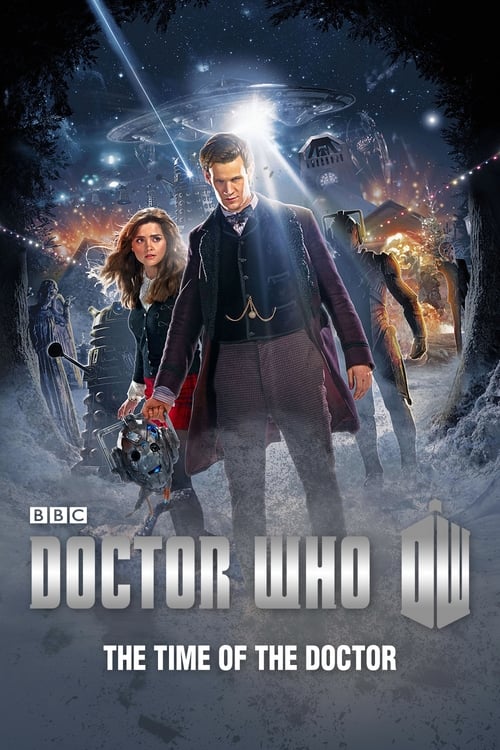
2013
No reviews yet. Be the first to share your thoughts on this movie!
Use the rating form above to leave a star rating and optional review.