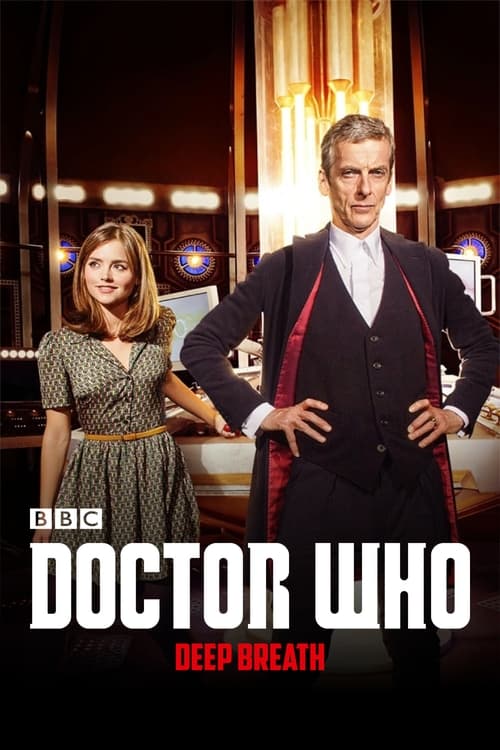
Doctor Who: Deep Breath
2014
No user ratings available yet
Representation score: 6.2 out of 10
Representation Score
Good
2012
TV-PGDirector
Saul Metzstein
Runtime
60 minutes
Average Rating
No ratings yetNew Showbiz Analysis
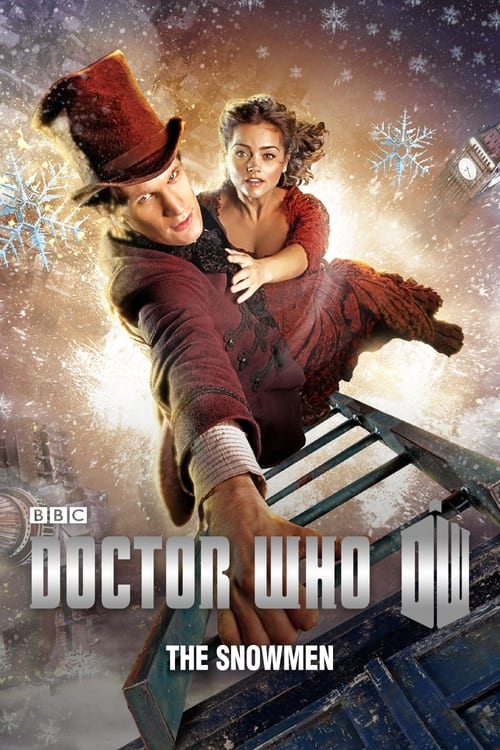
The film uses its science-fiction premise to critique historical social structures. By integrating progressive values into the Victorian setting, it avoids treating them as secondary themes. Strengths include the seamless integration of non-traditional families and the subversion of gender roles. Female characters and non-human species are given significant roles in driving the story. However, the reliance on non-human metaphors to explore themes of exclusion limits direct racial diversity. Additionally, the absence of disability representation leaves a gap in the film's inclusive scope.
Category Breakdown
The film showcases a non-traditional family through Madame Vastra, Jenny Flint, and Strax. Their multi-species domestic partnership is shown as completely normal, challenging the strict social norms of Victorian times.
Clara Oswald plays a key role in driving the plot with significant intellectual ability to act. Madame Vastra holds a position of authority, defying the patriarchal norms of the 19th century.
The story uses non-human species like the Silurians as metaphors for otherness, allowing it to explore underrepresented identities without adhering to typical Anglo-Saxon historical norms.
The narrative emphasizes scientific inquiry over religious superstitions, highlighting the Church as a source of outdated beliefs. It values individual decision-making over rigid institutional morality.
There are no prominent depictions of visible or invisible disabilities that serve as central character arcs or plot drivers.
Present on Screen
Limited or Absent
Official Synopsis
The Doctor has retired to 1892 London. Despite the protests of his allies, he is determined to keep out of mankind's affairs. However, a governess named Clara has stumbled upon a plot which only the Doctor can unravel, involving the death of her predecessor in ice and the sinister Dr. Simeon, who controls monsters made of sentient snow. And there is another mystery afoot: Clara is the spitting image of Oswin Oswald, whom the Doctor saw die in the Dalek asylum...
2014
1996
2014
2013
2013
2009

2007
2012
No reviews yet. Be the first to share your thoughts on this movie!
Use the rating form above to leave a star rating and optional review.