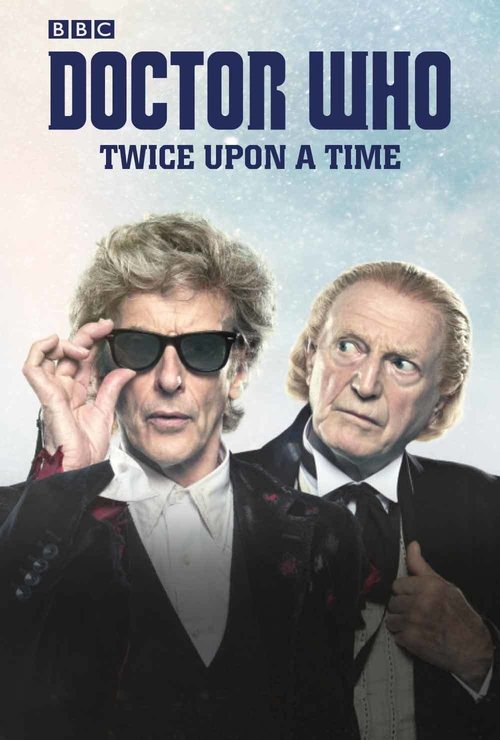
Doctor Who: Twice Upon a Time
2017
No user ratings available yet
Representation score: 8.8 out of 10
Representation Score
Excellent
2013
TV-PGDirector
Nick Hurran
Runtime
77 minutes
Average Rating
No ratings yetNew Showbiz Analysis
The film uses science fiction metaphors to explore complex sociopolitical dynamics. By casting non-human species to mirror themes of assimilation and identity, it achieves a high level of cultural critique. However, the central focus on the three male incarnations of the Doctor limits gender diversity. The narrative emphasizes traditional masculine heroism, even if female characters play a significant role in driving the story. Ultimately, the work deconstructs established mythologies and challenges the morality of cosmic institutions.
Category Breakdown
The story does not prominently feature explicit LGBTQ+ relationships or queer-coded ability to act. While the franchise is known for its fluidity, this installment focuses on time travel and the three Doctors.
The narrative is driven by a trio of male Doctors, emphasizing masculine heroism. However, characters like Clara Oswald provide intellectual parity and play significant roles, avoiding submissive feminine stereotypes.
The film uses Zygons as a metaphor for racial and ethnic otherness. Casting actors of diverse backgrounds across different eras helps break the expectation of a homogeneous Western cast.
The special provides a critique of institutional authority and the Time War. It prioritizes situational ethics and the preservation of life over rigid traditional power structures.
There are no explicit characters with visible or invisible disabilities. The Doctor's psychological trauma is framed as a cosmic responsibility rather than an exploration of neurodivergence.
Present on Screen
Limited or Absent
Official Synopsis
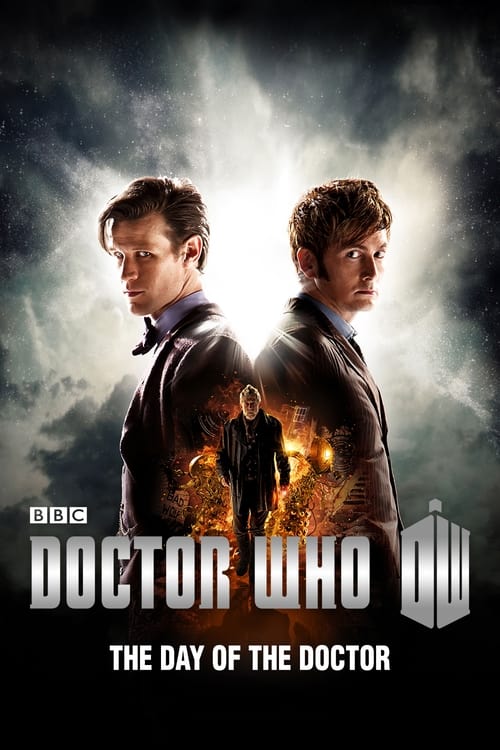
In 2013, something terrible is awakening in London's National Gallery; in 1562, a murderous plot is afoot in Elizabethan England; and somewhere in space an ancient battle reaches its devastating conclusion. All of reality is at stake as the Doctor's own dangerous past comes back to haunt him.
2017
2014
1996
2008
2014
1986
2012

2003
No reviews yet. Be the first to share your thoughts on this movie!
Use the rating form above to leave a star rating and optional review.