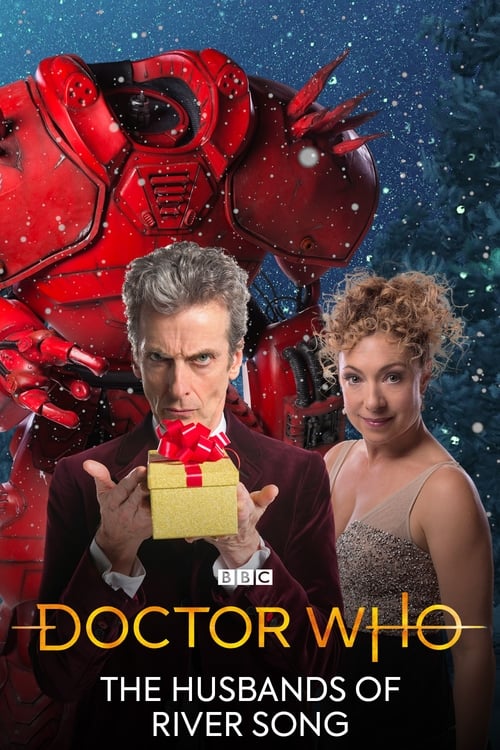
Doctor Who: The Husbands of River Song
2015
No user ratings available yet
Representation score: 8.9 out of 10
Representation Score
Excellent
2013
TV-PGDirector
Jamie Payne
Runtime
60 minutes
Average Rating
No ratings yetNew Showbiz Analysis
The film uses its science-fiction setting to challenge social and gender hierarchies. By incorporating speculative biology and diverse alien species, the narrative reflects complex social dynamics and multi-layered themes. Strengths lie in the subversion of gender clichés and the sophisticated use of metaphor to explore identity. Female characters play proactive roles, providing a strong counter-narrative to traditional heroism. However, the production lacks explicit LGBTQ+ narratives. The human cast remains relatively uniform, which limits the depth of racial representation.
Category Breakdown
The story focuses on the Doctor's existential crisis and the defense of Trenzalore. It does not include explicit LGBTQ+ identities or same-sex intimacy, sticking to traditional narrative boundaries.
Clara Oswald is portrayed as an active participant rather than a passive recipient of heroism. She showcases significant intellect and plays a key role in navigating the complexities of the siege.
The film uses diverse alien species as a metaphor for cosmic pluralism. Although the human cast is relatively uniform, the non-human entities help break down the idea of a singular normative civilization.
The narrative explores the Doctor as a mythological figure, examining subjective morality and systemic responsibility. It also addresses the morality of authority through the restoration of the Time Lords.
The Doctor's regeneration process symbolizes chronic bodily transformation. The film handles this physiological change with nuance, emphasizing character's ability to drive the story during physical upheaval.
Present on Screen
Limited or Absent
Official Synopsis
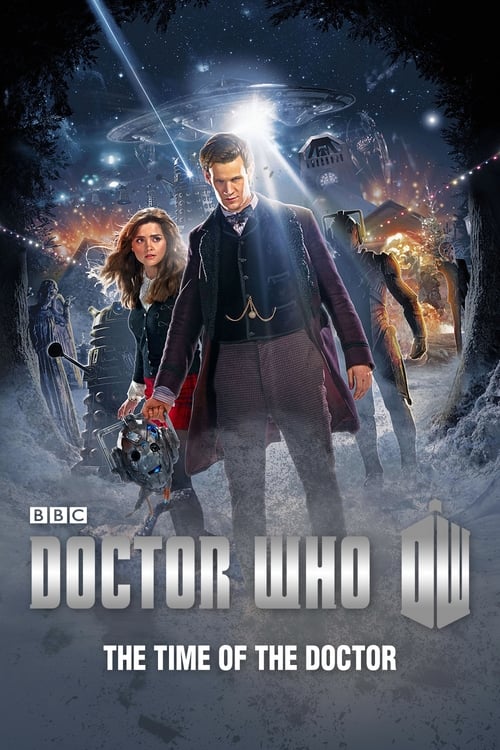
Orbiting a quiet backwater planet, the massed forces of the universe's deadliest species gather, drawn to a mysterious message that echoes out to the stars. And amongst them, the Doctor. Rescuing Clara from a family Christmas dinner, the Time Lord and his best friend must learn what this enigmatic signal means for his own fate and that of the universe.
2015
2014

2007
2013
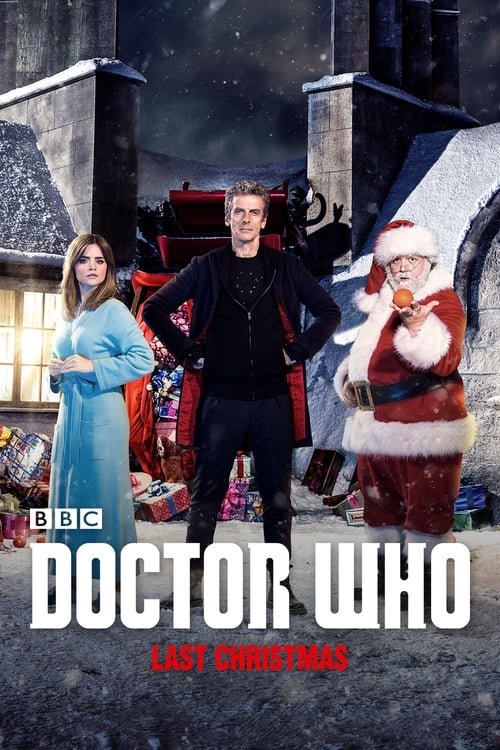
2014
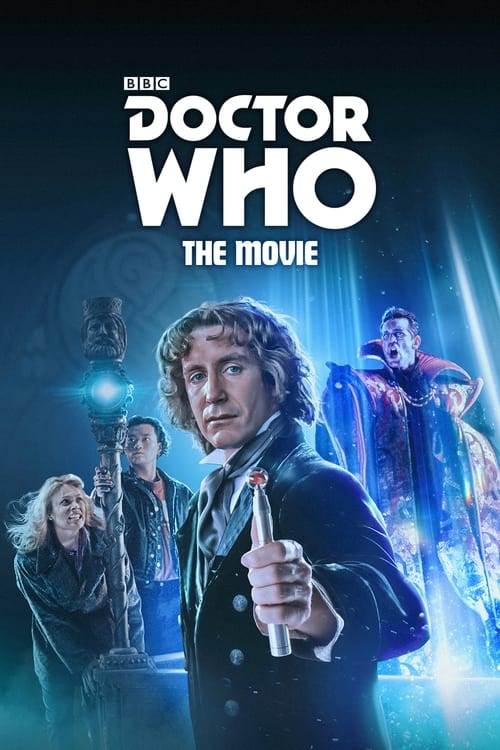
1996
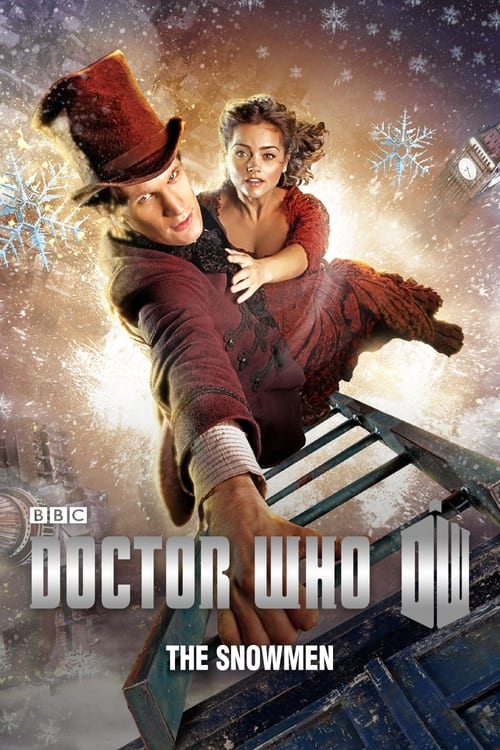
2012
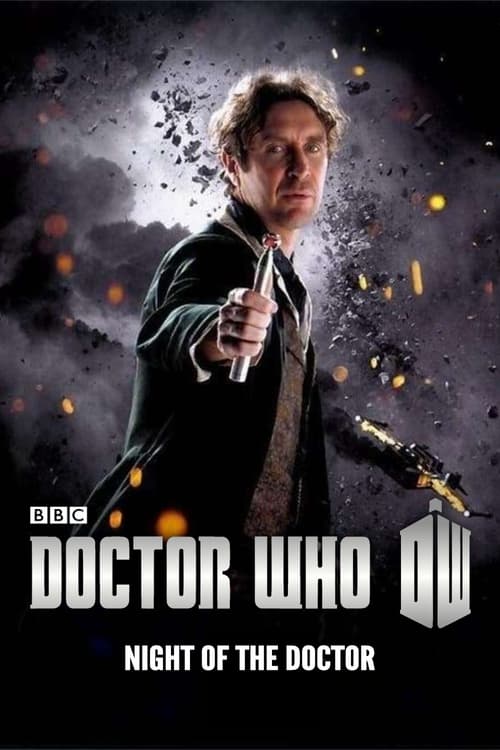
2013
No reviews yet. Be the first to share your thoughts on this movie!
Use the rating form above to leave a star rating and optional review.