Murder on the Orient Express
2017
No user ratings available yet
Representation score: 8.2 out of 10
Representation Score
Limited
2016
TV-14Director
Douglas Mackinnon
Runtime
90 minutes
Average Rating
No ratings yetNew Showbiz Analysis
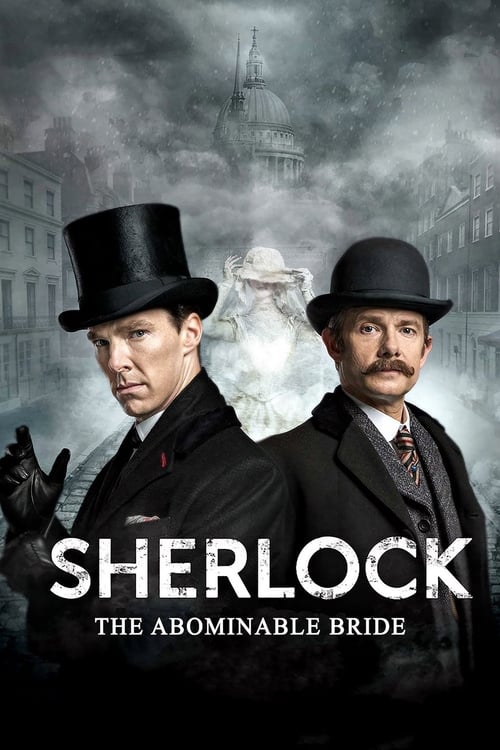
The special's diversity is marked by a contrast between progressive gender dynamics and traditional social depictions. By elevating Irene Adler to a position of intellectual parity with Sherlock, the narrative successfully challenges the Victorian cliché of feminine passivity. However, the production remains conservative in other areas. The lack of LGBTQ+ representation and the homogeneous racial makeup reflect the period setting without attempting to deconstruct it through modern casting choices. Ultimately, the score is bolstered by women's ability to drive the story and a sophisticated exploration of moral relativism, even as it fails to address disability or ethnic diversity.
Category Breakdown
The story does not include any explicit LGBTQ+ characters or non-straight relationships. The interpersonal dynamics remain within traditional frameworks without challenging the assumption that everyone is straight.
Irene Adler challenges Victorian gender roles through her high ability to act and intellectual prowess. She actively drives the plot rather than being a passive figure.
The cast remains largely homogeneous, reflecting the 1890s setting. The production does not attempt to diversify the cast through modern casting choices.
The narrative explores moral relativism through Adler's situational ethics. It also shows a disregard for established institutional authority and police procedures.
There is no meaningful depiction of physical, neurodivergent, or sensory disabilities. No characters are shown dealing with disabilities in a significant way.
Present on Screen
Limited or Absent
Official Synopsis
Sherlock Holmes and Dr. Watson find themselves in 1890s London in this holiday special.
2017
1970
2018
1942
2004
1939
2009
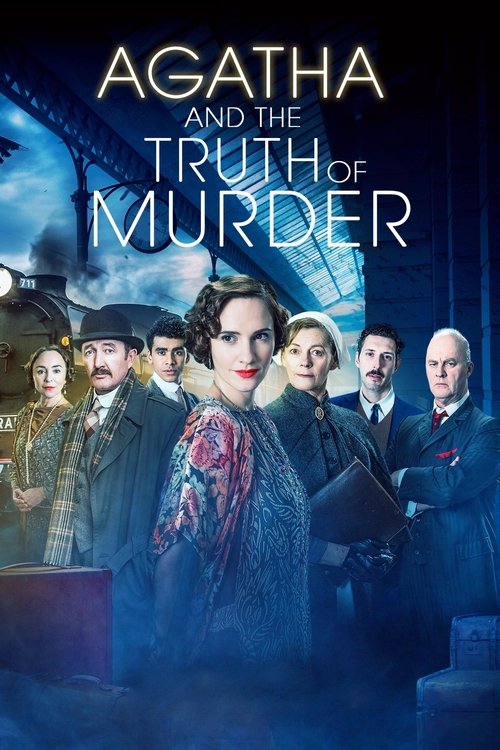
2018
No reviews yet. Be the first to share your thoughts on this movie!
Use the rating form above to leave a star rating and optional review.