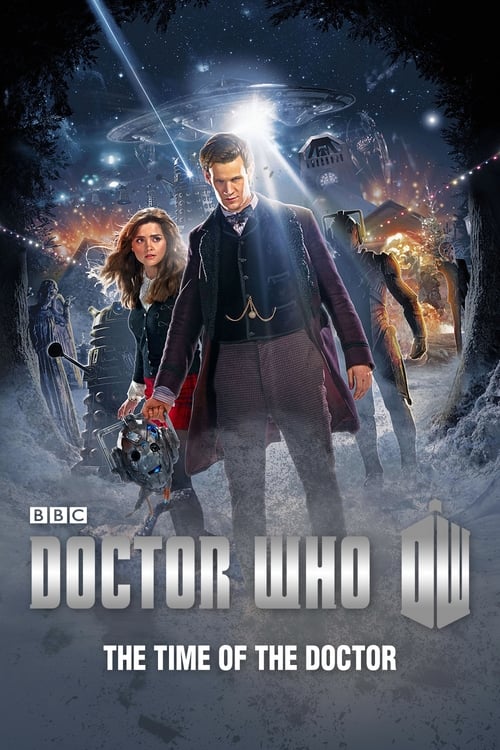
Doctor Who: The Time of the Doctor
2013
No user ratings available yet
Representation score: 8.3 out of 10
Representation Score
Fair
2013
TV-PGDirector
Terry McDonough
Runtime
83 minutes
Average Rating
No ratings yetNew Showbiz Analysis
This biographical drama excels at portraying the disruption of professional hierarchies, particularly through the lens of gendered ability to act. By focusing on Verity Lambert's struggle against a glass ceiling, the film provides a nuanced look at female leadership in a mid-century setting. However, the film's commitment to historical accuracy limits its broader diversity. The representation of race and LGBTQ+ identities remains reflective of the era's social constraints rather than offering an active critique or diverse casting. Ultimately, the film is a study of individual ability to act versus oppressive institutional norms, succeeding in its thematic depth while remaining demographically narrow.
Category Breakdown
The film portrays the strict social norms of 1960s Britain. It explores professional partnerships but lacks central LGBTQ+ character arcs or diverse gender identities to drive the plot.
Verity Lambert is a strong female protagonist who demonstrates significant professional influence. The film effectively challenges traditional female roles by showing her overcoming systemic barriers in the media industry.
The cast reflects a predominantly white, Anglo-Saxon environment typical of the early 1960s BBC. There is limited evidence of a diverse or non-white majority cast.
The narrative criticizes patriarchal hierarchies and stagnant, gatekept broadcasting systems. It highlights the success of unconventional, collaborative creativity over established corporate authority.
There are no prominent depictions of visible or invisible disabilities that serve as central narrative drivers in this biographical drama.
Present on Screen
Limited or Absent
Official Synopsis
Actor William Hartnell felt trapped by a succession of hard-man roles while wannabe producer Verity Lambert was frustrated by the TV industry's glass ceiling. Both of them were to find unlikely hope and unexpected challenges in the form of a Saturday tea-time drama. Allied with a team of unusual but brilliant people, they went on to create the longest running science fiction series ever made.
2013
2004
2014
2008
2015

2013

2015
2011
No reviews yet. Be the first to share your thoughts on this movie!
Use the rating form above to leave a star rating and optional review.