
Doctor Who: The Day of the Doctor
2013
No user ratings available yet
Representation score: 8.5 out of 10
Representation Score
Fair
1996
TV-14Director
Geoffrey Sax
Runtime
86 minutes
Average Rating
No ratings yetNew Showbiz Analysis
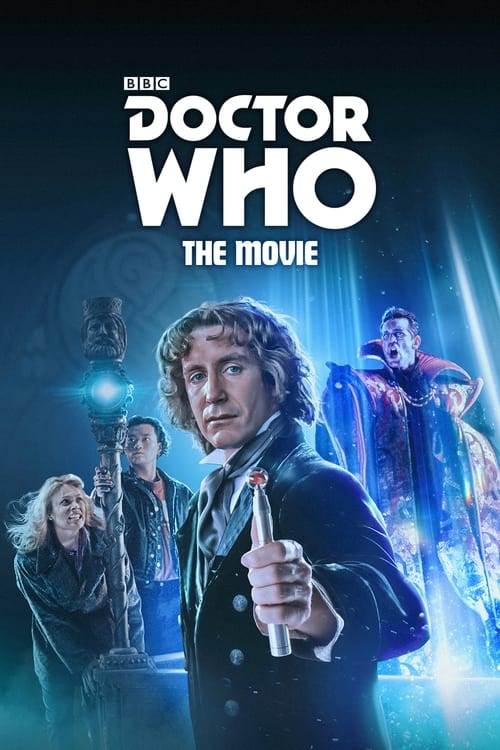
This production marks a step towards globalizing the franchise by diversifying its cast and themes. It successfully shifts away from traditional stereotypes by featuring characters of color in key roles. The film excels in showcasing diverse racial and gender representation, challenging conventional sci-fi clichés. Grace Holloway embodies a model of professional and intellectual empowerment that defies typical science fiction archetypes. However, the narrative lacks explicit LGBTQ+ representation and does not address specific disabilities. The romantic dynamics remain centered around heterosexual relationships.
Category Breakdown
The film does not include explicit LGBTQ+ characters or storylines. The romantic relationship focuses on a relationship between the Doctor and Grace Holloway, who are assumed to be heterosexual.
Grace Holloway disrupts traditional gender roles as a highly skilled and independent surgeon. She engages with the Doctor as an equal intellectual partner rather than a passive companion.
The production includes a Black female protagonist and an African American antagonist, moving away from predominantly white casting. These characters play important roles within the story.
The narrative explores moral ambiguity through the Doctor's unique ethical stance. It also delves into the Master's quest for eternal life through ritual practices.
The film does not focus on neurological conditions or specific physical disabilities. The Doctor's ability to regenerate is used as a metaphor for change rather than a disability storyline.
Present on Screen
Limited or Absent
Official Synopsis
The Seventh Doctor becomes the Eighth. And on the streets of San Francisco – alongside new ally Grace Holloway - he battles the Master.
2013

2014

2017

1998

2014
2008

1986
1998
No reviews yet. Be the first to share your thoughts on this movie!
Use the rating form above to leave a star rating and optional review.