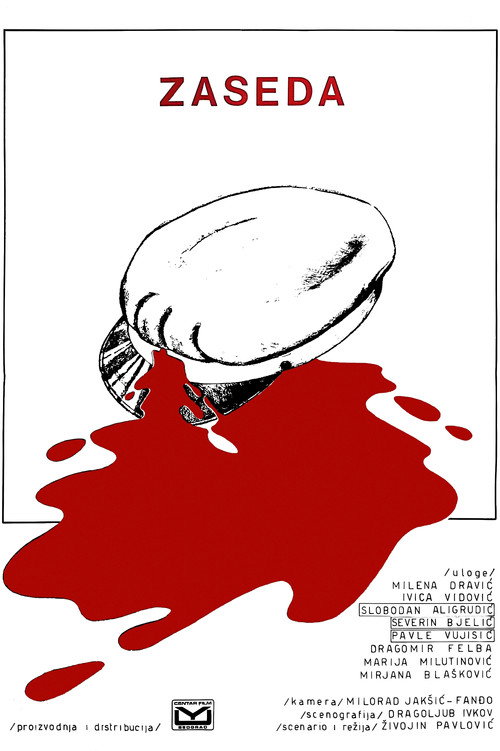
The Ambush
1969
No user ratings available yet
Representation score: 2.6 out of 10
Representation Score
Minimal
1967
Director
Žika Mitrović
Runtime
96 minutes
Average Rating
No ratings yetNew Showbiz Analysis
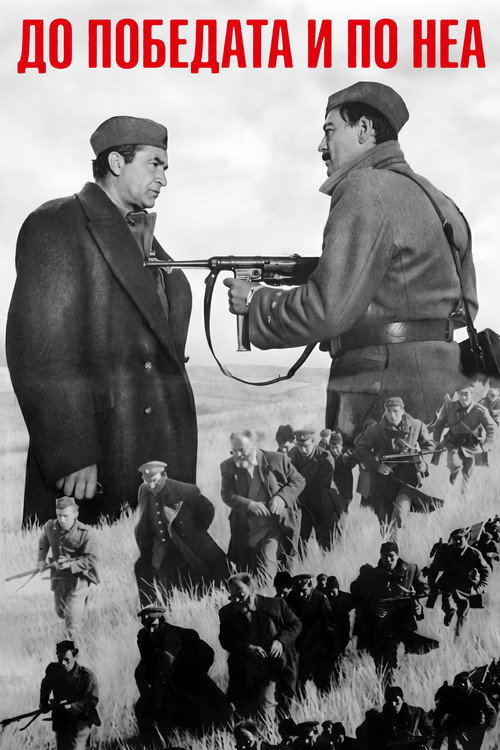
The film’s diversity profile is shaped by its historical and political focus. It centers on male fighters and leaders, with women confined to supportive roles like nursing. This limits gender representation despite the presence of female characters. Ethnically, the cast reflects the Yugoslav context, emphasizing cooperation among regional groups but excluding non-European perspectives. The narrative’s strength lies in its cultural and ideological clarity, championing communist values and anti-fascist resistance. However, the absence of LGBTQ+ and disabled characters, along with traditional gender roles, keeps the overall diversity score low. The film prioritizes political messaging over inclusive representation.
Category Breakdown
No LGBTQ+ characters or same-sex relationships appear. The wartime alliances and political conflict never address sexual orientation or gender identity.
Men dominate as fighters and political leaders. Women appear in supporting roles, such as the nurse Momata, but do not drive central plot decisions.
The cast is almost entirely white European, reflecting the Yugoslav setting. Multi-ethnic Partisan cooperation is shown, but no non-European groups are represented.
The film strongly promotes communist ideology, framing the new regime’s moral challenges as central. Anti-fascist resistance is portrayed as heroic, while collaboration is critiqued.
No characters with physical or mental disabilities are shown or discussed. Disability does not appear as a lived experience or plot element.
Present on Screen
Limited or Absent
Official Synopsis
A newly established communist authorities in Yugoslavia face the moral challenge of how to deal with warriors of defeated side and other enemies of the regime.
1969

1965
1967
1958
1974
1956
1992
1968
No reviews yet. Be the first to share your thoughts on this movie!
Use the rating form above to leave a star rating and optional review.