
Bomb at 10:10
1967
No user ratings available yet
Representation score: 4.4 out of 10
Representation Score
Good
1968
Director
Zdravko Velimirović
Runtime
96 minutes
Average Rating
No ratings yetNew Showbiz Analysis
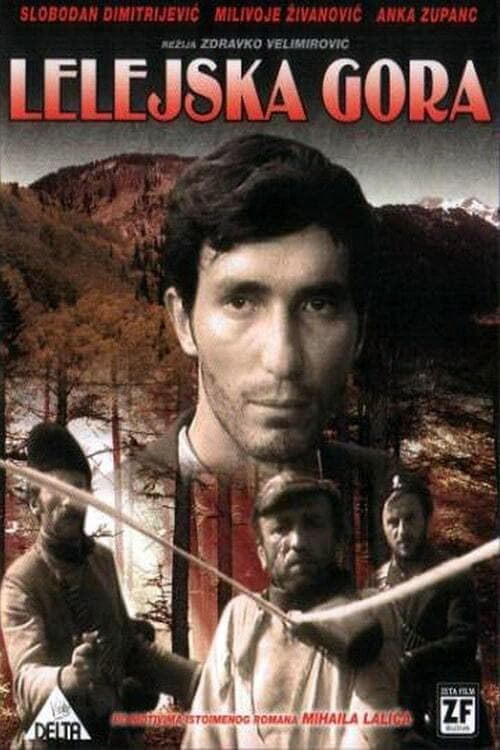
Mount of Lament is a character-driven film set in the ideological landscape of 1960s Yugoslav cinema. It excels at portraying specific cultural and political frameworks, using the protagonist's struggle to explore the tension between personal morality and collective directives. However, the film lacks demographic diversity. The narrative is heavily focused on a singular male perspective, offering little room for gender diversity or LGBTQ+ representation. While it touches on mental health through psychological tension, it does not delve into disability with nuance.
Category Breakdown
The film does not include explicit LGBTQ+ characters or stories that challenge the assumption that everyone is straight or cisgender. It focuses on a single male protagonist in a wartime setting.
The story emphasizes the masculine experience of surviving wartime conditions. Female characters do not play a significant role in driving the story or challenging gender hierarchies.
Set in the Montenegrin Mountains, the film highlights local ethnic identity and resistance. However, it does not feature diverse casting or characters reflecting multiple aspects of diversity.
The narrative prioritizes anti-capitalist and pro-communist themes. It explores the psychological impact of systemic struggle and the breakdown of traditional social structures.
The protagonist experiences hallucinations and psychological stress, which are used to create tension rather than exploring disability with real depth.
Present on Screen
Limited or Absent
Official Synopsis
Lado Tajovic, a student, is charged by the communist party to go to his home in the Montenegrin Mountains, to illegally spread the liberation movement's propaganda. Alone, surrounded by enemies, always awake and ready to evade traps and ambushes, Lado fights on the verge of sleep, against people which are cowards ready to betrayal. He fights his own temptations, hallucinations that constantly besiege him. Although he perseveres in holding to party directives: no killing and no revenge, Lado at one moment of weakness falls to a primal human act vengeance.
1967
1957

1970

1969
1958
1975

1955
1992
No reviews yet. Be the first to share your thoughts on this movie!
Use the rating form above to leave a star rating and optional review.