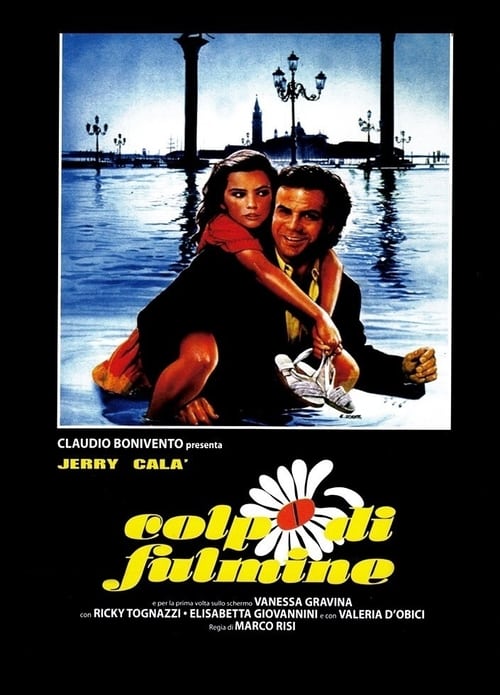
Colpo di fulmine
1985
No user ratings available yet
Representation score: 1.8 out of 10
Representation Score
Fair
1983
Director
Renzo Arbore
Runtime
110 minutes
Average Rating
No ratings yetNew Showbiz Analysis
The film serves as a satirical look at the socioeconomic tensions between Southern and Northern Italy. It uses a character-driven narrative to examine the power dynamics between a underrepresented woman and a dominant male figure. While the film effectively explores regional identity and challenges traditional authority, it lacks depth in representing broader identity markers. The narrative focuses primarily on the cultural divide rather than a wider range of identities. Ultimately, the work disrupts social stability by highlighting the pursuit of individual ability to act against established hierarchies, though it remains limited in its depiction of diverse identities.
Category Breakdown
The film does not include any clear representations of LGBTQ+ identities or same-sex relationships. Its surreal style may challenge social norms, but it does not feature any characters who are openly LGBTQ+.
The story focuses on a female protagonist fighting for independence in her career. She faces off against a domineering male boss, offering a critique of traditional gender roles and patriarchal control.
The film uses the contrast between northern and southern Italy to explore internal cultural divisions. By placing a woman from Naples in a northern setting, it highlights the tension between regional identity and migration.
The film critiques traditional power structures and social conventions. The unconventional main character suggests a departure from conventional, polished portrayals of femininity and established social institutions.
There is no information available regarding the portrayal of physical or neurodivergent disabilities in this work.
Present on Screen
Limited or Absent
Official Synopsis
Based on a supposed screenplay by Fellini that fell out of a window, Arbore tells the southern story of a shaggy-haired Neapolitan girl, a toilet attendant, who arrives in the foggy north to become a singer, and whom he becomes her boorish manager.
1985

1980
1983

1975
1989
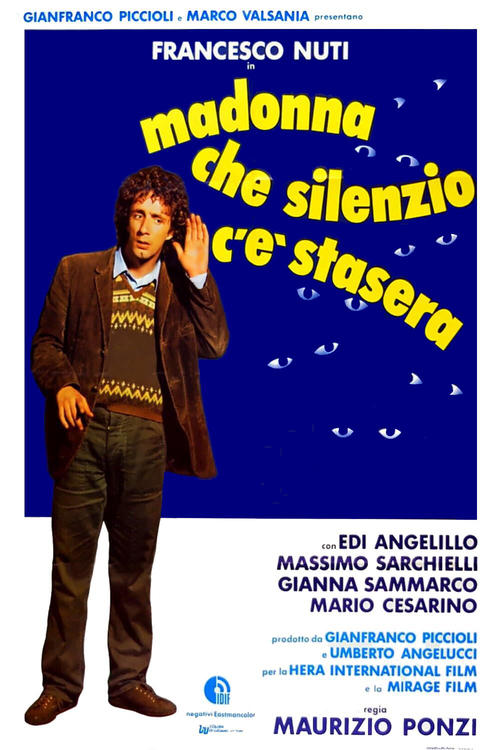
1982

1981

1988
No reviews yet. Be the first to share your thoughts on this movie!
Use the rating form above to leave a star rating and optional review.