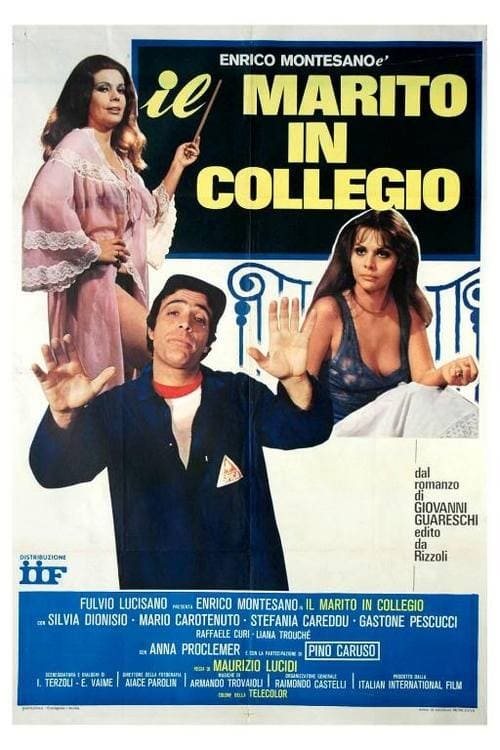
Il marito in collegio
1977
No user ratings available yet
Representation score: 2.5 out of 10
Representation Score
Fair
1992
RDirector
Lina Wertmüller
Runtime
93 minutes
Average Rating
No ratings yetNew Showbiz Analysis
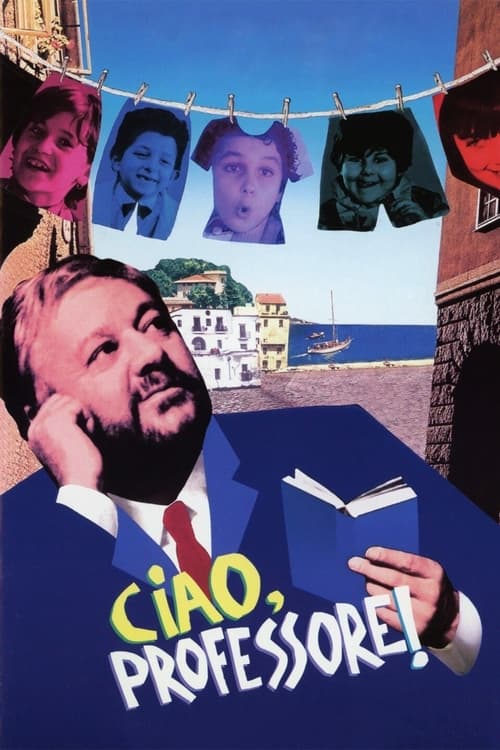
Ciao, Professore! primarily critiques systemic and regional inequalities. It focuses on class-based power dynamics rather than contemporary identity issues like LGBTQ+ or neurodivergence. The film effectively explores the cultural divide between Northern and Southern Italy. By presenting the bureaucratic system as an obstacle to human connection, it offers a sophisticated view of internal national disparities. While the film lacks specific representation of diverse gender roles or disability, its intellectual depth in addressing social friction is notable.
Category Breakdown
The film does not include any explicit LGBTQ+ characters or non-straight relationships. The focus is on socio-economic issues rather than identity-based romance.
The main character is a middle-aged man. While the film challenges some gender norms, its portrayal of women remains somewhat conventional.
The story highlights the cultural differences between a Northern Italian protagonist and a Southern Italian community. It examines the 'othering' of underrepresented groups within regional contexts.
The film critiques formal educational institutions and state structures. It portrays a conflict between an educator and a underrepresented community to challenge traditional social norms.
There are no characters with visible or invisible disabilities that play a central role in the plot. The film does not engage with disability-specific themes.
Present on Screen
Limited or Absent
Official Synopsis
A bureaucratic snafu sends Marco Tullio Sperelli, a portly, middle-aged northern Italian, to teach third grade in a poor town outside Naples
1977

1980
1964
1991
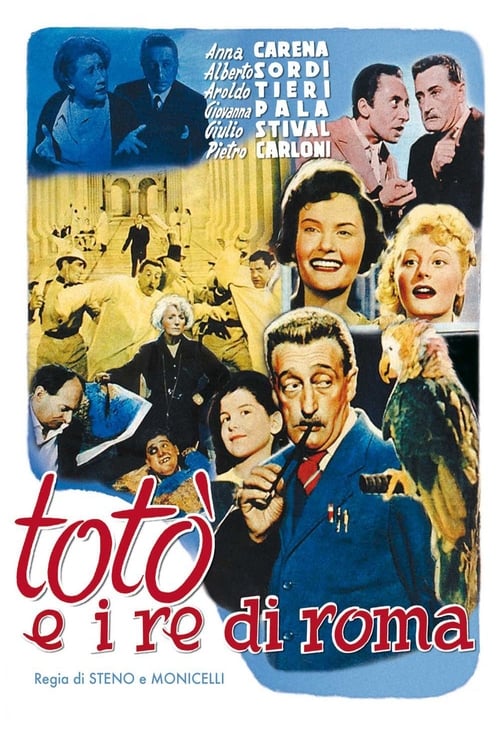
1952
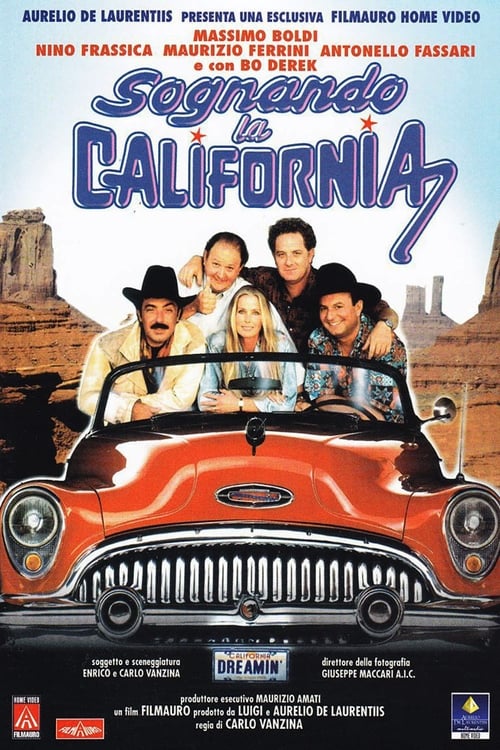
1992
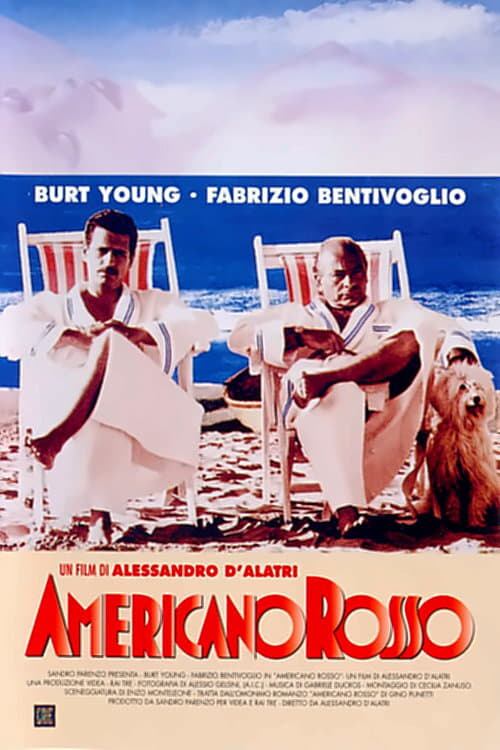
1991
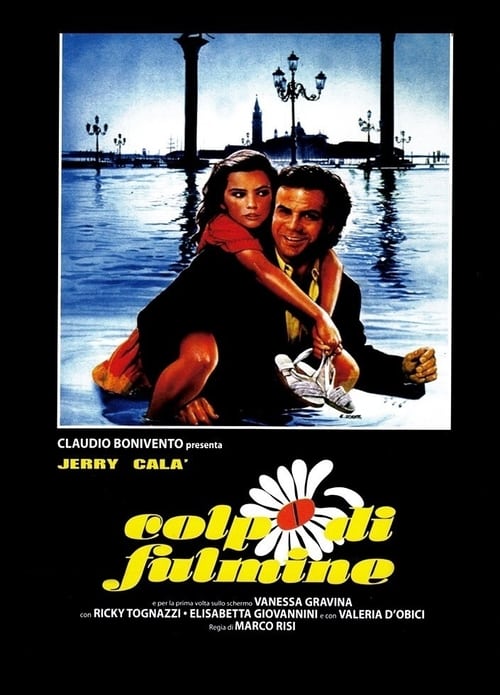
1985
No reviews yet. Be the first to share your thoughts on this movie!
Use the rating form above to leave a star rating and optional review.