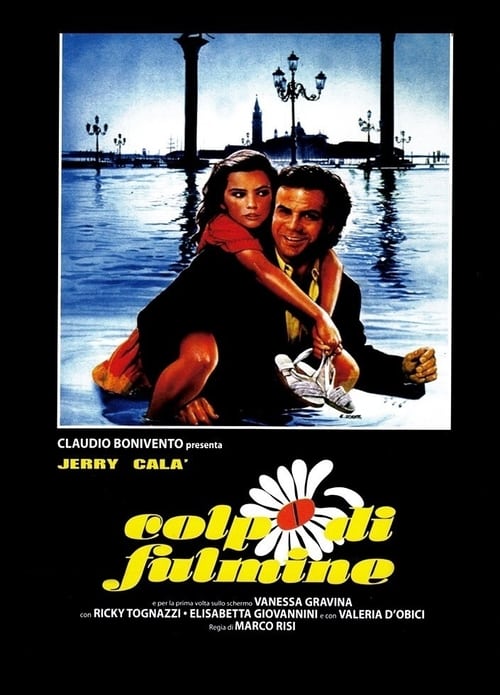
Colpo di fulmine
1985
No user ratings available yet
Representation score: 1.8 out of 10
Representation Score
Fair
1990
Director
Daniele Luchetti
Runtime
100 minutes
Average Rating
No ratings yetNew Showbiz Analysis
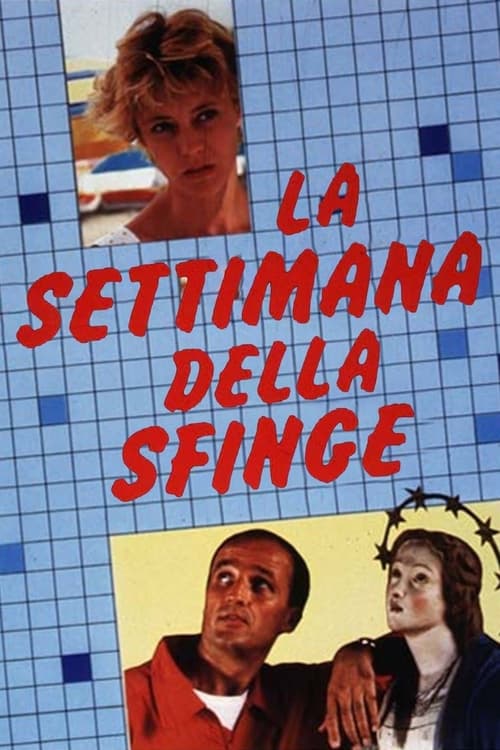
Daniele Luchetti’s comedy captures a specific moment in Italian history, focusing on character-driven social dynamics. The film centers a female protagonist within a working-class setting, offering insights into gendered labor and individual ability to act. However, the film remains traditional in its social structures, adhering to the demographic and heterosexual norms of the 1960s without actively challenging them through diverse casting or queer representation. Ultimately, while the film provides a nuanced exploration of youth and social discovery, it lacks the systemic critique or diverse representation needed for a higher progressive score.
Category Breakdown
The film focuses on a conventional romantic relationship between Gloria and a male TV repairman. There is no indication of non-traditional gender identities or same-sex relationships.
The story centers on Gloria, a working-class waitress, highlighting her role in navigating social structures. This perspective offers a nuanced look at gendered labor and personal ability to act.
Set in 1960s Italy, the film reflects the demographic realities of that time. The casting aligns with the historical context of mid-century Italian society.
The 1960s setting explores tensions between traditional Italian institutions and emerging social changes. The narrative uses coming-of-age themes to critique authority and established norms.
There are no characters or plot points focused on physical or neurodevelopmental disabilities.
Present on Screen
Limited or Absent
Official Synopsis
Crossword-solving waitress Gloria falls for a womanizing TV repairman.
1985

2004
1998
1982
1994
1991
1982
1989
No reviews yet. Be the first to share your thoughts on this movie!
Use the rating form above to leave a star rating and optional review.