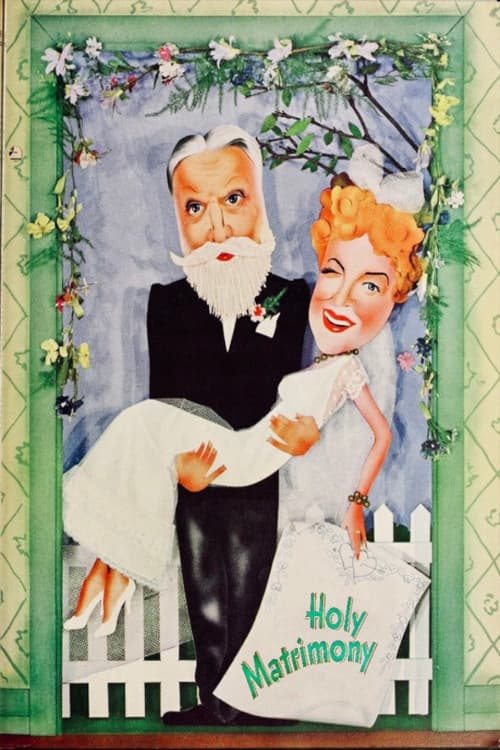
Holy Matrimony
1943
No user ratings available yet
Diversity score: 2.7 out of 10

1960
NRDirector
Robert Mulligan
Runtime
112 minutes
Average Rating
No ratings yetSynopsis
Fictionalized account of Ferdinand Waldo Demara Jr., who stole or created fictional identities and worked in a variety of occupations, most quite successfully.
Overall Score
Limited
Category Breakdown
LGBTQ+ Representation
The film focuses entirely on the protagonist's professional deceptions. There are no LGBTQ+ characters or narratives addressing non-cisnormative identities.
Gender Representation
The story centers on male agency through the maneuvers of Ferdinand Waldo Demara. Female characters lack significant agency or presence within the narrative architecture.
Racial & Ethnic Diversity
The film reflects the homogeneous demographic norms of the early 20th century. There is no evidence of intentional racial blending or diverse casting.
Religious & Cultural Diversity
Identity theft and religious roles, such as a priest, serve the plot's themes of moral ambiguity. The film avoids critiquing Western institutions or religious authority.
Disability Representation
No characters with visible or invisible disabilities are integrated into the story. The narrative lacks representation of the disability community.
Strengths
Areas for Improvement
AI Analysis
The Great Impostor is a traditional biographical drama that prioritizes a single man's psychological journey over social breadth. The film operates within the conventional demographic constraints of its 1960 release period, focusing on individual deception rather than systemic exploration. While the protagonist's ability to adopt various identities provides a study in moral relativism, the film does not use these roles to challenge social hierarchies. The narrative remains anchored in a period-typical, homogeneous worldview. Ultimately, the film lacks the intentionality required to provide meaningful intersectional representation, functioning instead as a narrow character study of a singular, deceptive figure.
1943
1930
1984
1956

2005
1937

1956

2008

1963
1980
1921

1949
No reviews yet. Be the first to share your thoughts on this movie!
Use the rating form above to leave a star rating and optional review.