
The Benefactor
1942
No user ratings available yet
Diversity score: 2.6 out of 10
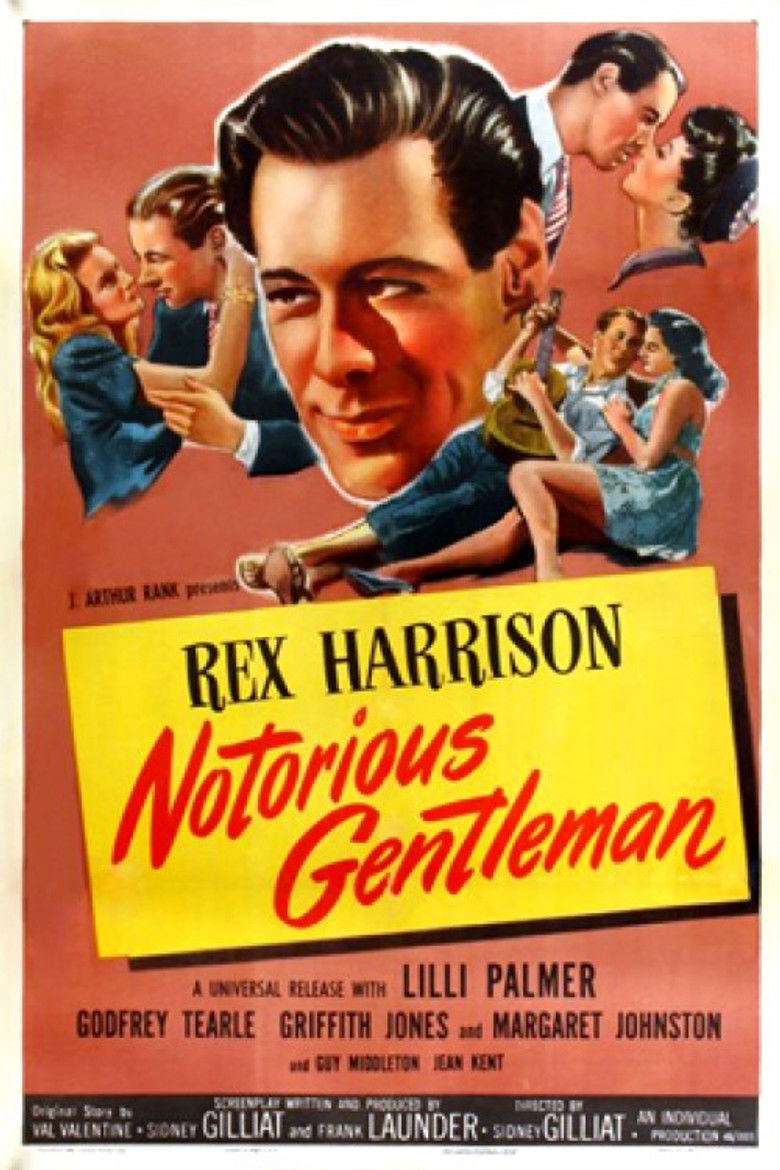
1945
Director
Sidney Gilliat
Runtime
100 minutes
Average Rating
No ratings yetSynopsis
Vivian Kenway, a young Englishman from an aristocratic background, flunks out of Oxford, and decides to use his considerable charm to achieve his goal of, apparently, making dissipation his career. His derelictions include seduction, betrayals of sweethearts, family and friends, and Marriage for money. All this with no signs of remorse or redemption, since his life as a completely unprincipled rake is quite enjoyable...for him, at least. Then, World War II breaks out and he is given a chance to die a heroic death for flag and country. Maybe.
Overall Score
Minimal
Category Breakdown
LGBTQ+ Representation
The film focuses on traditional romantic conquests within an 18th-century framework. There is no evidence of non-cisnormative identities or narratives that challenge heteronormativity.
Gender Representation
Women primarily serve as instruments for the protagonist's social and financial maneuvering. They often function as targets of betrayal, reinforcing a dynamic where male agency drives the plot.
Racial & Ethnic Diversity
The film reflects the demographic homogeneity of 18th-century London. The narrative remains centered on a white, aristocratic English social structure without significant non-Anglo-Saxon characters.
Religious & Cultural Diversity
The story explores moral decay and aristocratic instability through a lens of individual failing. It reinforces traditional patriotic values rather than offering a systemic critique of Western institutions.
Disability Representation
There is no discernible representation of physical, sensory, or neurodivergent disabilities. Characters with disabilities are not identified as having agency or central roles in the story.
Strengths
Areas for Improvement
AI Analysis
The Rake's Progress is a traditional period drama centered on a singular, unprincipled male protagonist. This narrow focus limits the agency of marginalized groups and keeps the narrative within established mid-20th-century cinematic frameworks. While the film critiques the decadence of the aristocracy, it does so through a lens of individual moral consequence. It functions as a study of hedonism rather than a deconstruction of systemic power dynamics or social hierarchies. Ultimately, the film adheres to the social and moral structures of its era, offering little room for intersectional perspectives or diverse representation.
1942
1934
1936

1937
1939
1939
1941
1986
1976
1944
1984

1971
No reviews yet. Be the first to share your thoughts on this movie!
Use the rating form above to leave a star rating and optional review.