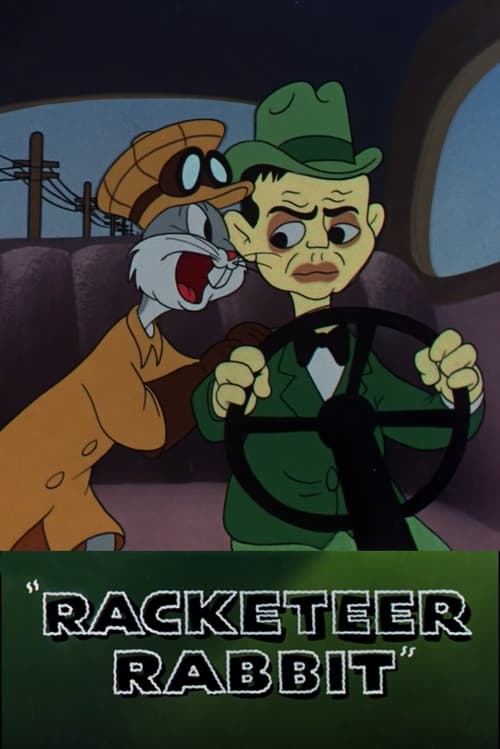
Racketeer Rabbit
1946
No user ratings available yet
Representation score: 0.2 out of 10
Representation Score
Minimal
1954
NRDirector
Chuck Jones
Runtime
7 minutes
Average Rating
No ratings yetNew Showbiz Analysis
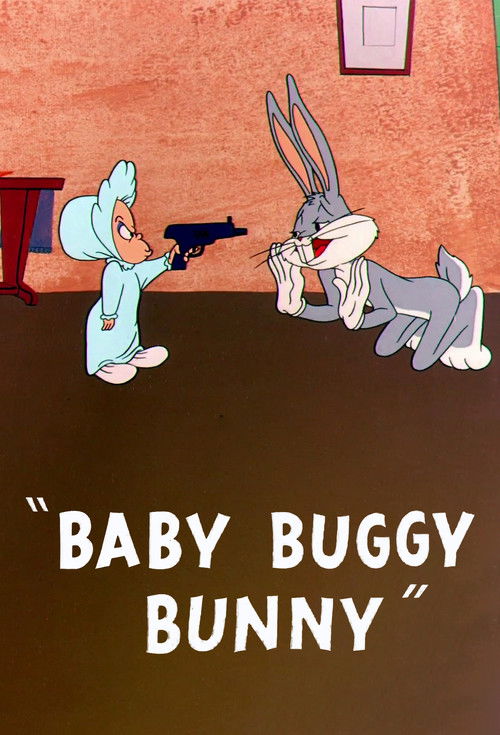
Baby Buggy Bunny is a classic mid-century animated short that emphasizes comedic timing and slapstick humor. The narrative centers on the conflict between Bugs Bunny and Elmer Fudd, relying on the established trickster archetype. While the film excels in character-driven humor, it does not delve into complex social issues. Its structure is traditional and homogeneous, reflecting the cultural norms of its time. Ultimately, the work reflects the homogeneity of 1950s mainstream media, lacking engagement with diverse identity representations or systemic power dynamics.
Category Breakdown
The film does not depict any LGBTQ+ identities or same-sex relationships. The interactions between characters are strictly heterosexual.
There is a lack of prominent female characters, and the story does not explore gender roles. The main conflict revolves around male characters following traditional masculine stereotypes.
The cast is uniform, sticking to typical 1950s cartoon animal designs. There are no references to racial diversity or using animals to represent different cultures.
The film follows conventional Western storytelling without questioning capitalism or religion. The moral framework contrasts protectors and aggressors.
None of the characters have visible or hidden disabilities. All characters operate within normal physical abilities without addressing neurodiversity or chronic illnesses.
Present on Screen
Limited or Absent
Official Synopsis
Baby-Faced Finster robs a bank, but the baby carriage with the money in it goes down Bugs' rabbit hole.
1946
1954
1941
1957
1948
1949
1956
1951
No reviews yet. Be the first to share your thoughts on this movie!
Use the rating form above to leave a star rating and optional review.