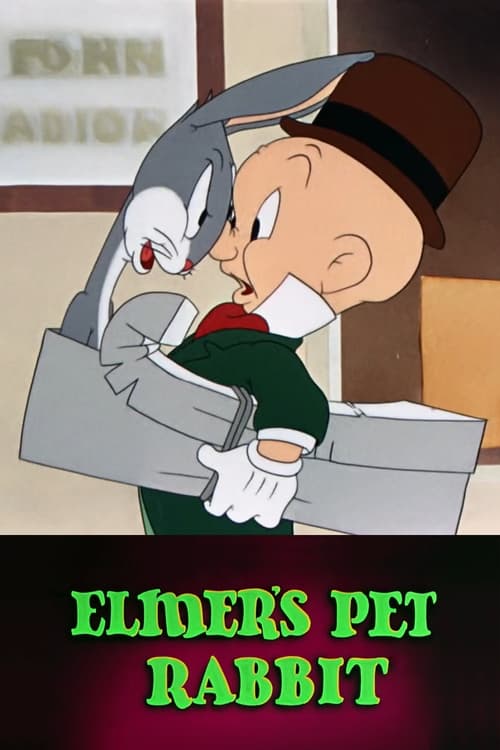
Elmer's Pet Rabbit
1941
No user ratings available yet
Representation score: 0.4 out of 10
Representation Score
Minimal
1944
NRDirector
Chuck Jones
Runtime
7 minutes
Average Rating
No ratings yetNew Showbiz Analysis
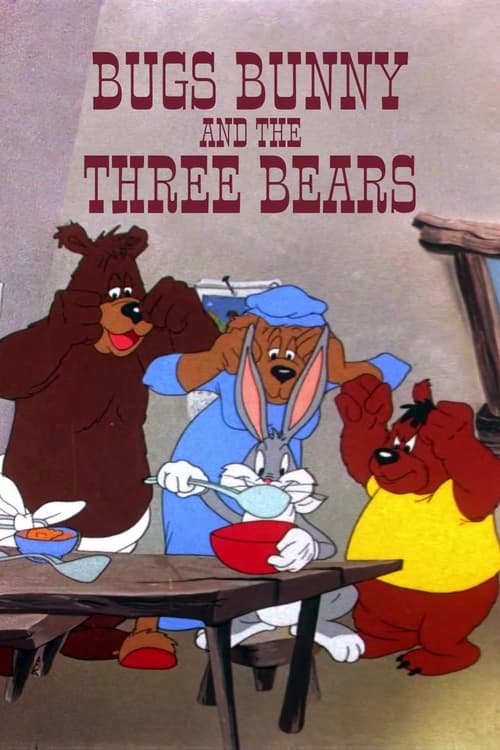
This 1944 short focuses primarily on slapstick comedy, relying on archetype-driven storytelling rather than social representation. The narrative emphasizes 1940s-era hierarchies, particularly through the patriarchal role of Papa Bear and the domestic role of Mama Bear. The film lacks multi-layered complexity and does not challenge social norms. Instead, it adheres to the conventional clichés of its time, featuring a homogeneous cast of animals without meaningful demographic variation.
Category Breakdown
The film does not include any identifiable LGBTQ+ characters or queer relationships. The romantic subplot focuses solely on heterosexual dynamics between Bugs Bunny and Mama Bear.
The story upholds traditional gender roles, with Papa Bear portrayed as the authoritative figure and Mama Bear confined to a domestic, caretaking role.
The characters are anthropomorphic animals in a forest setting, offering no racial or ethnic identifiers. The design choices do not reflect diverse backgrounds or characters who reflect more than one aspect of diversity.
The narrative draws from classic Western folklore and traditional social structures, emphasizing slapstick humor and the trickster archetype. It does not engage with cultural or systemic critiques.
The film does not depict any physical, sensory, or neurodivergent disabilities. Characters are portrayed using standard cartoon physicality without addressing lived experiences of disability.
Present on Screen
Limited or Absent
Official Synopsis
The bears tempt Goldilocks with carrot soup, the scent of which brings Bugs on the scene. Bugs romances Mama Bear, and she becomes infatuated with him.
1941
1957

1951
1939
1949
1951
1948
1944
No reviews yet. Be the first to share your thoughts on this movie!
Use the rating form above to leave a star rating and optional review.