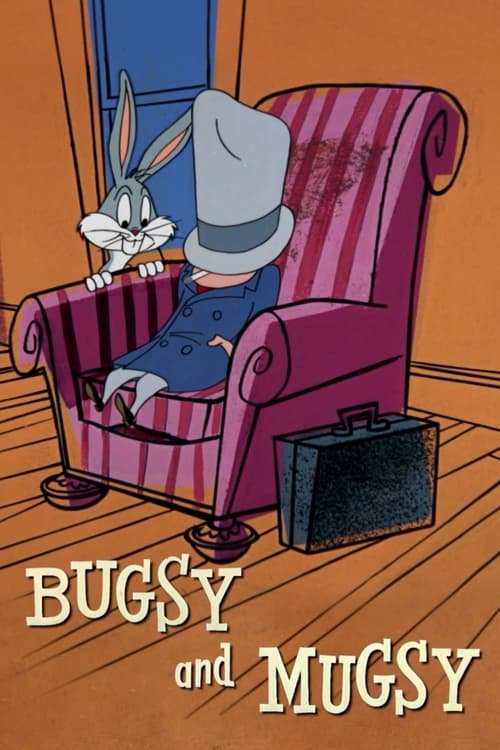
Bugsy and Mugsy
1957
No user ratings available yet
Representation score: 0.5 out of 10
Representation Score
Minimal
1946
NRDirector
Friz Freleng
Runtime
8 minutes
Average Rating
No ratings yetNew Showbiz Analysis
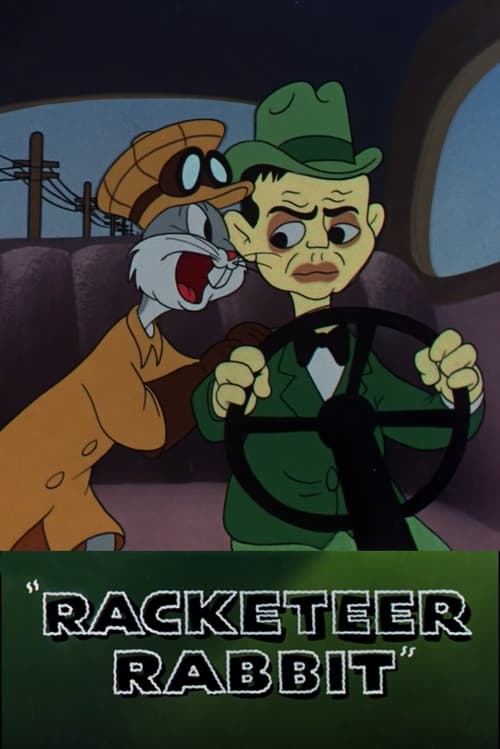
Racketeer Rabbit is a product of the mid-century Golden Age of animation, prioritizing slapstick comedy and genre clichés over social complexity. The narrative centers on a conflict between an individualist protagonist and a criminal element, using caricatures of Hollywood actors to drive the plot. The film lacks multi-layered depth, presenting a homogeneous cast that excludes women, LGBTQ+ individuals, and people with disabilities. The setting and character archetypes remain firmly within the traditional, narrow boundaries of the era's gangster-comedy genre. Ultimately, the short functions as a simple disruption of domestic space for comedic effect. It offers no engagement with systemic hierarchies, diverse identities, or broader cultural critiques.
Category Breakdown
The film does not include any LGBTQ+ characters or identities outside of heterosexual relationships. The characters are exclusively male, with no representation of LGBTQ+ individuals.
The cast consists solely of male characters, adhering to a traditional, gender-exclusive framework. There are no female characters or engagement with gender hierarchies.
The characters are anthropomorphic animals, serving as a stylistic abstraction. The narrative does not include multi-layered casting or subversion of Anglo-centric norms.
The story follows conventional mid-century structures, focusing on comedic slapstick. It lacks any systemic critique or exploration of religious or secular values.
There are no depictions of physical, sensory, or neurodivergent disabilities. Characters are defined by archetypal roles rather than lived experiences of disability.
Present on Screen
Limited or Absent
Official Synopsis
Hugo and Rocky (caricatures of Edward G. Robinson and Peter Lorre) make it home to their hideout only to find Bugs already settled down there for the night.
1957
1954
1963
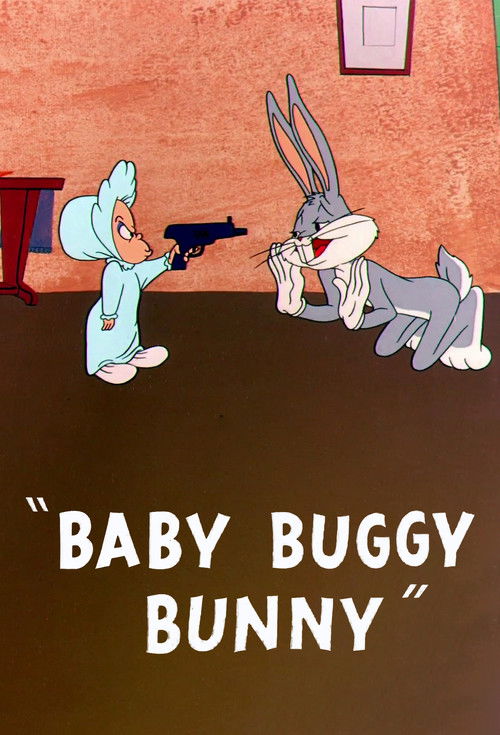
1954
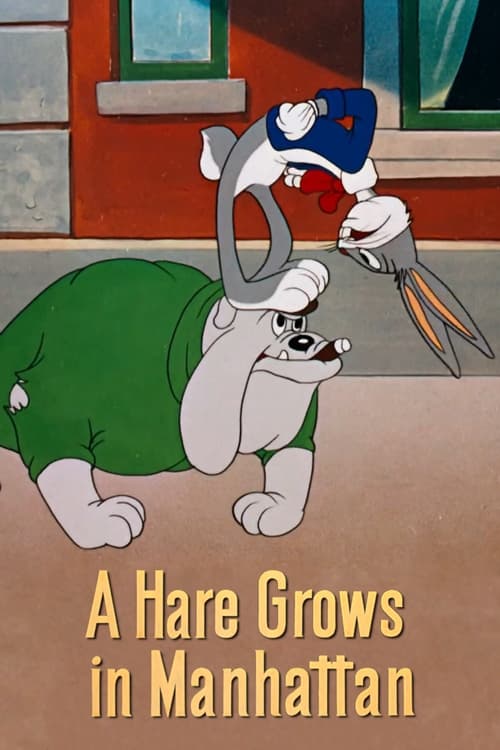
1947
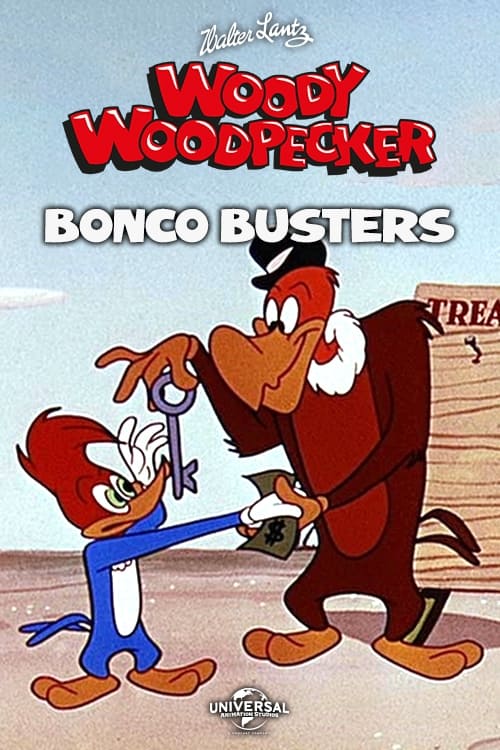
1955
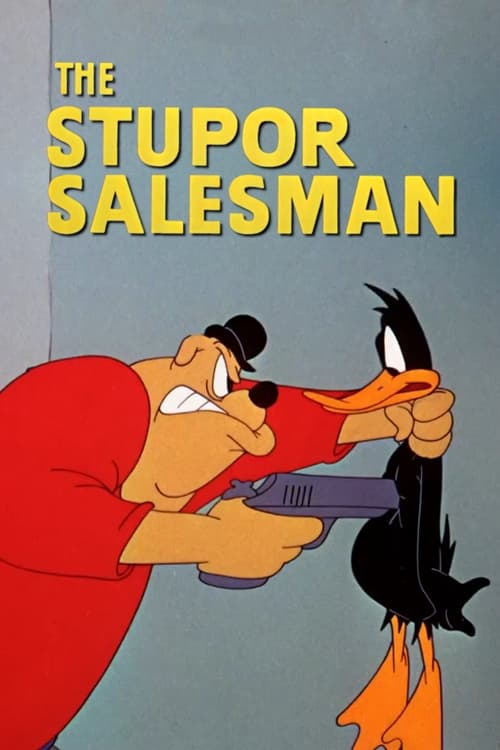
1948
1938
No reviews yet. Be the first to share your thoughts on this movie!
Use the rating form above to leave a star rating and optional review.