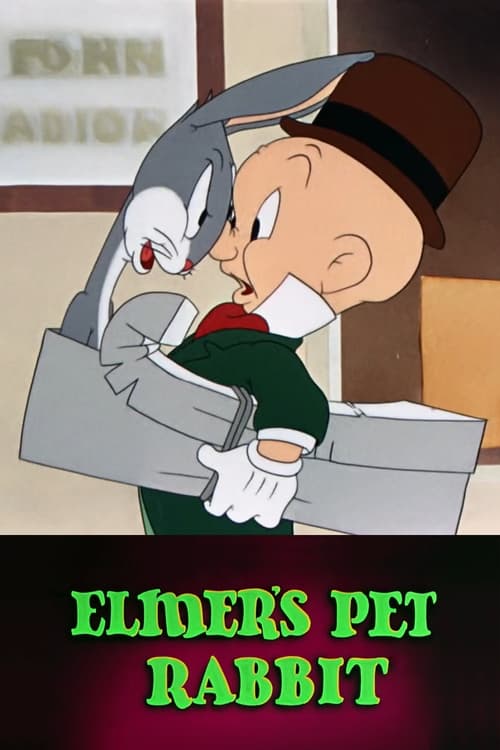
Elmer's Pet Rabbit
1941
No user ratings available yet
Representation score: 0.4 out of 10
Representation Score
Minimal
1951
NRDirector
Chuck Jones
Runtime
7 minutes
Average Rating
No ratings yetNew Showbiz Analysis
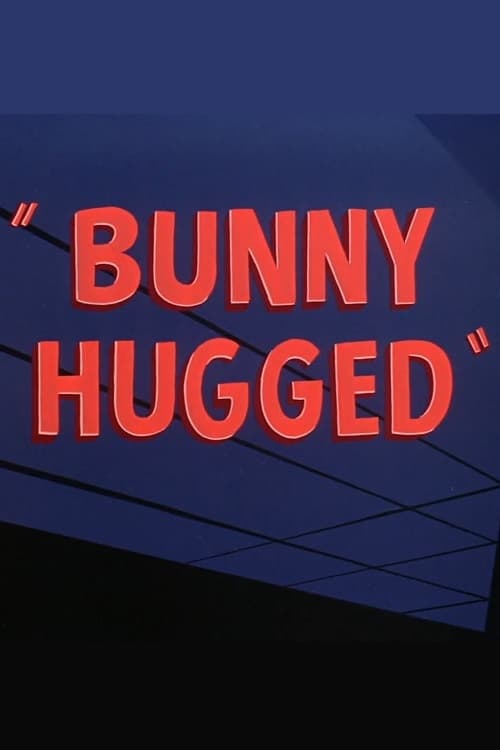
Bunny Hugged is a character-driven comedic vignette that prioritizes situational humor and physical action. The plot centers on a wrestling match where Bugs Bunny intervenes to protect a secondary character, Ravishing Ronald, from The Crusher. While Chuck Jones brings a sophisticated comedic style to the work, the film remains firmly rooted in the mid-century studio system. It lacks the multi-layered representation or systemic critiques found in more modern animation. The production reflects the demographic and narrative norms of its era, focusing on slapstick and physical competition rather than social or cultural subversion.
Category Breakdown
The film does not include any characters with non-straight sexual orientations or non-cisgender genders. It focuses on a standard comedic setup without showing same-sex relationships.
The story includes a character named Ravishing Ronald, which hints at performative masculinity. However, the film does not challenge traditional gender roles or hierarchies.
There is no indication of a diverse cast or multi-layered representation. The film follows the demographic norms typical of 1951 animation.
The narrative operates within a conventional comedic framework. It does not critique Western institutions, religion, or capitalism.
No characters with visible or invisible disabilities are present. There is no evidence of disability being used as a narrative device.
Present on Screen
Limited or Absent
Official Synopsis
Bugs Bunny gets involved in a wrestling match to save Ravishing Ronald from the Crusher.
1941
1948
1949
1944
1943
1951
1944
1959
No reviews yet. Be the first to share your thoughts on this movie!
Use the rating form above to leave a star rating and optional review.