Bugsy and Mugsy
1957
No user ratings available yet
Representation score: 0.5 out of 10
Representation Score
Limited
1947
NRDirector
Friz Freleng
Runtime
8 minutes
Average Rating
No ratings yetNew Showbiz Analysis
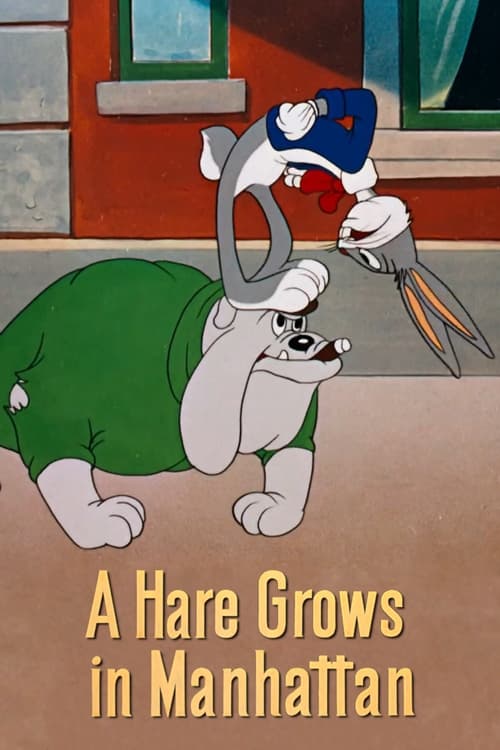
A Hare Grows in Manhattan is a character-driven slapstick comedy that prioritizes situational humor over identity-based storytelling. The narrative centers on Bugs Bunny's chaotic attempts to maintain a pet within a Manhattan tenement, using the trickster archetype common to the era. The film reflects the mid-century animation standards of the 1940s, focusing on individualistic disruption of domesticity. It lacks the intentionality required to address systemic social hierarchies or provide meaningful representation for underrepresented groups. Ultimately, the short functions as a localized vignette. It avoids broader social or political commentary, resulting in a narrative that is homogeneous and lacks progressive frameworks.
Category Breakdown
The film does not depict any LGBTQ themes or non-cisgender identities. The story focuses solely on Bugs Bunny's interactions with his environment and dog adversaries.
The narrative relies on traditional comedic frameworks. It lacks the ability to act or subversion needed to explore gendered power dynamics, focusing instead on physical comedy and domestic disruption.
Despite the Manhattan tenement setting, the cast remains homogeneous. The film does not explore the ethnic complexities of the 1940s urban landscape or utilize diverse character archetypes.
The story depicts a standard urban domestic setting without engaging in critiques of Western institutions or religious structures. Humor is derived from character-driven slapstick rather than social deconstruction.
No visible or invisible disabilities are portrayed with ability to act. Characters operate within standard physical parameters for slapstick animation, with no neurodivergent or physical disability narratives present.
Present on Screen
Limited or Absent
Official Synopsis
Bugs Bunny relates his early life in the Manhattan tenements and spotlights his encounter with a gang of canine toughs.
1957
1946
1944
1954
1954
1963
1951

1943
No reviews yet. Be the first to share your thoughts on this movie!
Use the rating form above to leave a star rating and optional review.