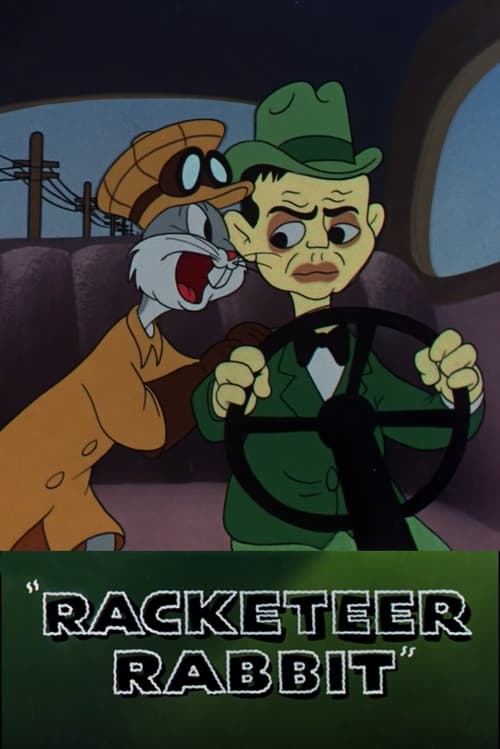
Racketeer Rabbit
1946
No user ratings available yet
Representation score: 0.2 out of 10
Representation Score
Minimal
1957
NRDirector
Friz Freleng
Runtime
7 minutes
Average Rating
No ratings yetNew Showbiz Analysis
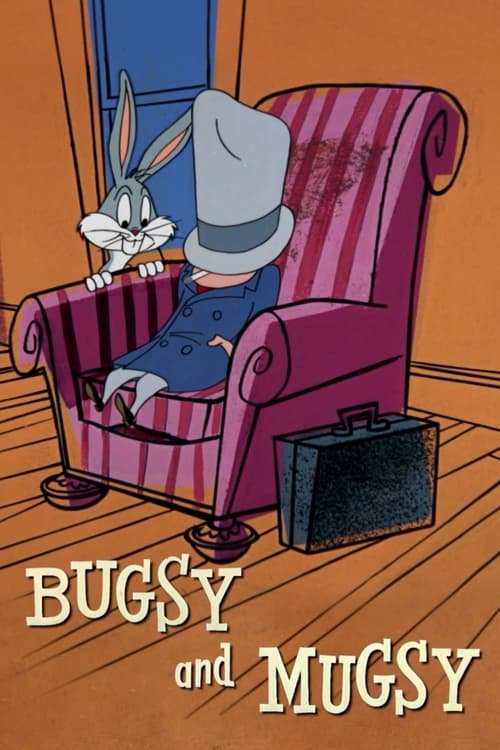
Bugsy and Mugsy is a classic example of its time, focusing on comedic timing and traditional storytelling. The film operates within a closed system of slapstick humor where the restoration of order is quickly achieved by the main character. The narrative does not challenge traditional expectations or question systemic power structures. Instead, it reinforces a standard, non-challenging status quo through its character types. With an all-male cast and a setting based on homogeneous mid-century themes, the film engages minimally with diverse human experiences or identities.
Category Breakdown
The film does not include any characters with non-binary gender identities or same-sex relationships. The story focuses on a male-dominated criminal hierarchy.
The movie follows a traditional, male-centric structure. All characters are male, which means there is no discussion around gender issues.
The characters do not have clear racial or ethnic backgrounds. They follow a uniform design typical of 1950s cartoons, with no diversity in casting.
The story presents a moral framework where criminal actions are shown to be ineffective. It upholds a conventional view of social order through slapstick humor.
There are no characters with visible or invisible disabilities. The characters are defined by typical roles rather than by neurodivergent or physical conditions.
Present on Screen
Limited or Absent
Official Synopsis
Bugs Bunny finds that gangsters Rocky and Mugsy have chosen his new abode, a condemned building, as their hideout. Bugs manipulates them into attacking each other to prove that crime doesn't pay.
1946
1947
1954
1963
1938
1954
1955
1951
No reviews yet. Be the first to share your thoughts on this movie!
Use the rating form above to leave a star rating and optional review.