
Born to Be Bad
1950
No user ratings available yet
Diversity score: 4.5 out of 10
1953
NRDirector
Russell Rouse
Runtime
77 minutes
Average Rating
No ratings yetSynopsis
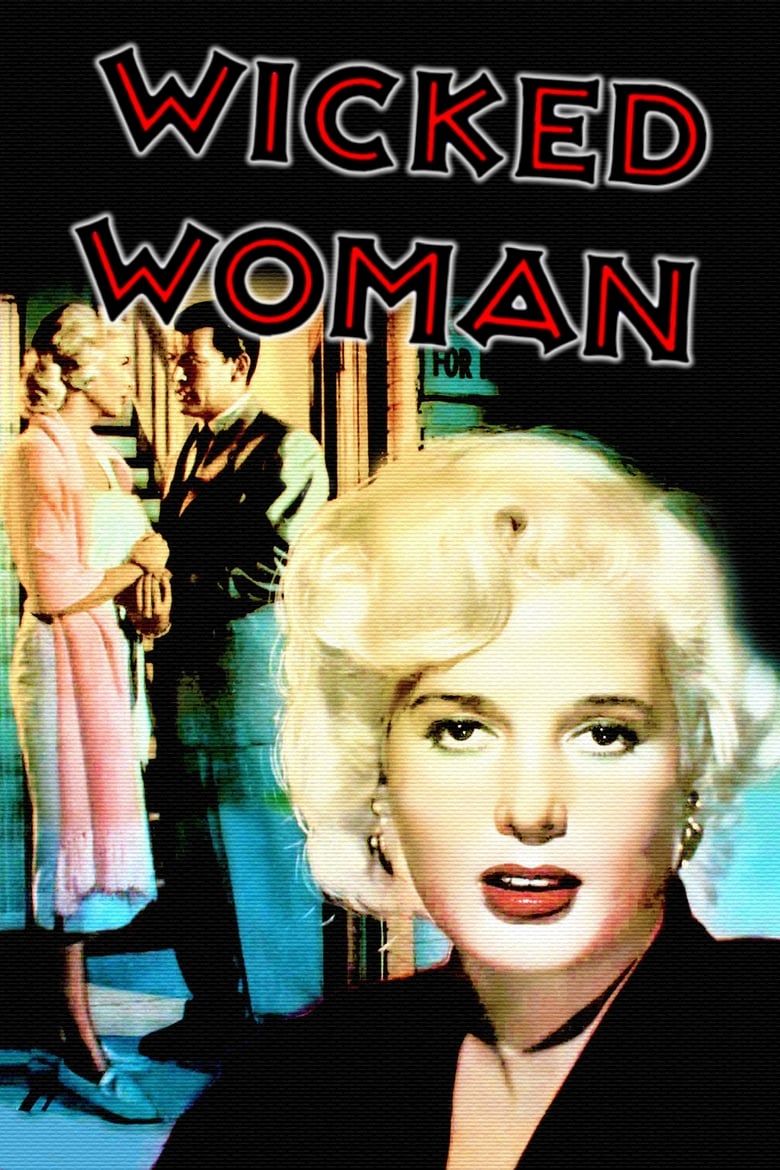
A trashy blonde lures a saloon owner away from his wife.
Overall Score
Limited
Category Breakdown
LGBTQ+ Representation
The film lacks any discernible presence of LGBTQ+ characters or non-cisnormative identities. The narrative remains strictly within a heteronormative framework of seduction.
Gender Representation
Billie Nash subverts 1950s gender hierarchies by using her agency and sexuality to exert power over men. She functions as the plot's primary engine, demonstrating strategic dominance over passive female archetypes.
Racial & Ethnic Diversity
The cast and setting reflect a homogeneous, white-dominated urban environment typical of 1953. There is no evidence of racial blending or diverse identities within the narrative scope.
Religious & Cultural Diversity
The story critiques mid-century social norms by prioritizing individualistic desire over traditional moral structures. It frames deception and fraud as tools for personal survival and upward mobility.
Disability Representation
There are no visible or invisible disabilities portrayed within the narrative. Characters with disabilities are not utilized as plot devices.
Strengths
Areas for Improvement
AI Analysis
Wicked Woman is a mid-century noir that finds its strength in its subversion of gender roles. By centering a female protagonist who manipulates men for criminal gain, the film disrupts the era's expectation of female passivity. However, the film is deeply limited by its lack of demographic breadth. It operates within a strictly heteronormative and racially homogeneous framework, offering almost no representation for LGBTQ+ individuals, people of color, or those with disabilities. Ultimately, the film's complexity lies in its moral relativism rather than its social diversity. It challenges institutional authority and traditional family structures, even as it remains confined to a narrow, white-dominated social landscape.
1950
1930
1947
1968
1956
1951
1949
1966
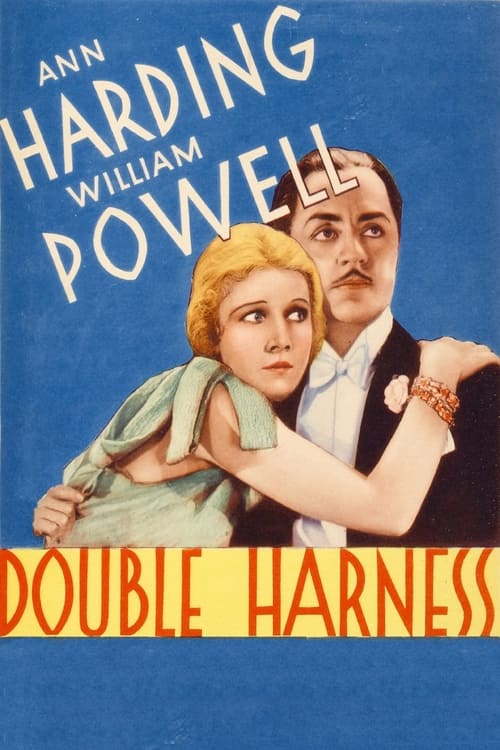
1933
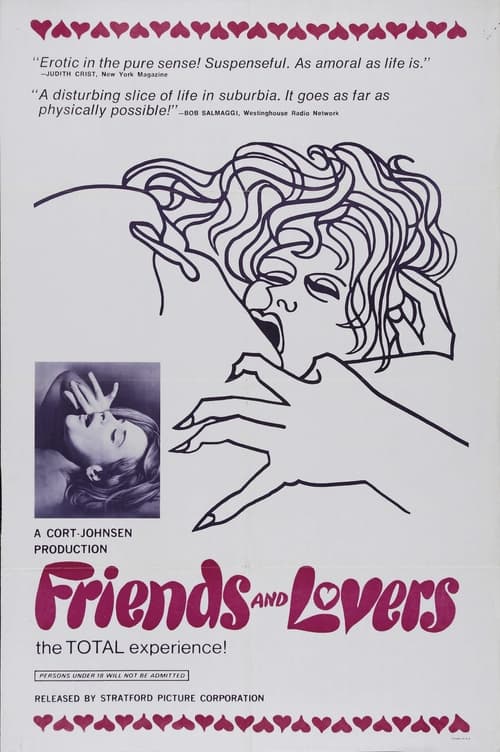
1969
1968
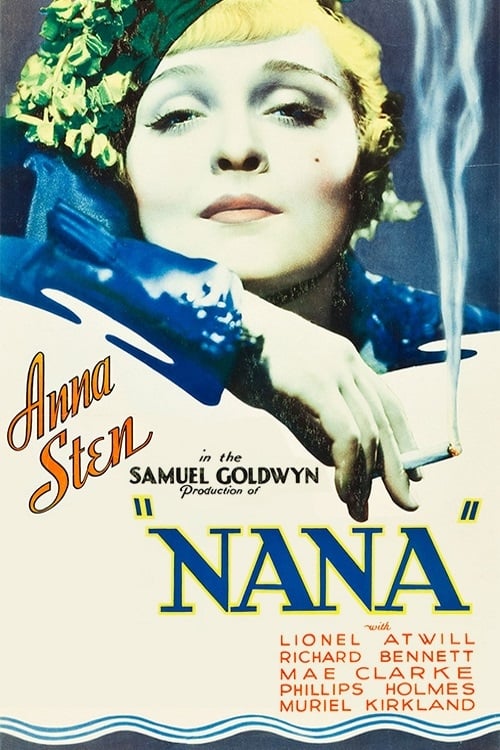
1934
No reviews yet. Be the first to share your thoughts on this movie!
Use the rating form above to leave a star rating and optional review.