
By Love Possessed
1961
No user ratings available yet
Representation score: 1.7 out of 10
No Poster Available
Representation Score
Limited
1968
XDirector
Andy Milligan
Runtime
80 minutes
Average Rating
No ratings yetNew Showbiz Analysis
Andy Milligan’s work prioritizes unconventional character studies over mainstream moral frameworks. This film functions as a character study that disrupts expectations of domesticity by centering on a woman's active role. While it lacks diversity in race or LGBTQ+ identities, it succeeds in subverting traditional gender hierarchies. The narrative architecture favors the female lead, positioning her as the primary driver of conflict. By exploring the collapse of a personal life through the lens of an abusive marriage, the film offers a critique of the mid-century domestic ideal.
Category Breakdown
The story focuses on a heterosexual relationship and does not include any queer characters or non-straight identities.
The film centers on a female protagonist who actively pursues an affair to escape an abusive husband, challenging traditional gender roles and patriarchal control.
The film appears to feature a homogeneous social circle with no multi-ethnic cast or efforts to include diverse backgrounds.
The story deconstructs the sanctity of marriage by framing infidelity as a response to domestic abuse, critiquing the performative nature of social and marital stability.
There is no evidence of characters with visible or invisible disabilities within the film's narrative or character descriptions.
Present on Screen
Limited or Absent
Official Synopsis
A married woman pursues an affair with her abusive husband's best friend and tries to keep her secret life going despite her personal life collapsing around her.
1961
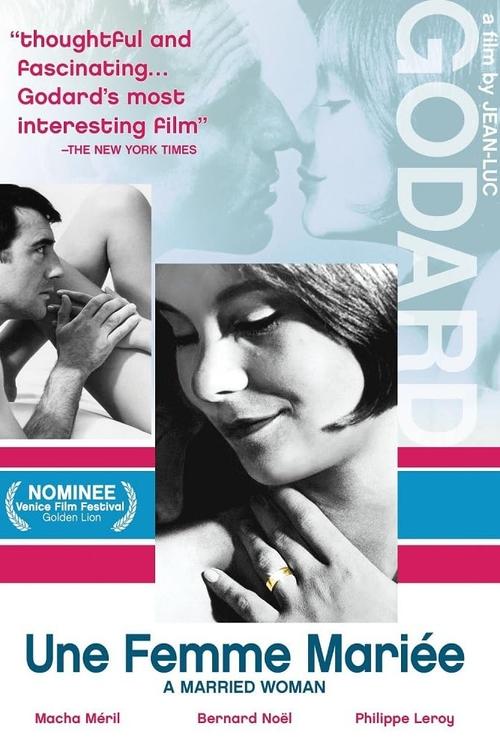
1964
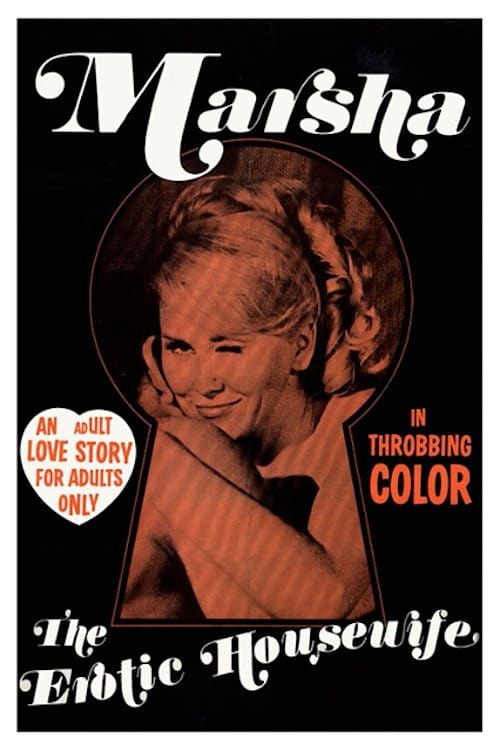
1970

1964
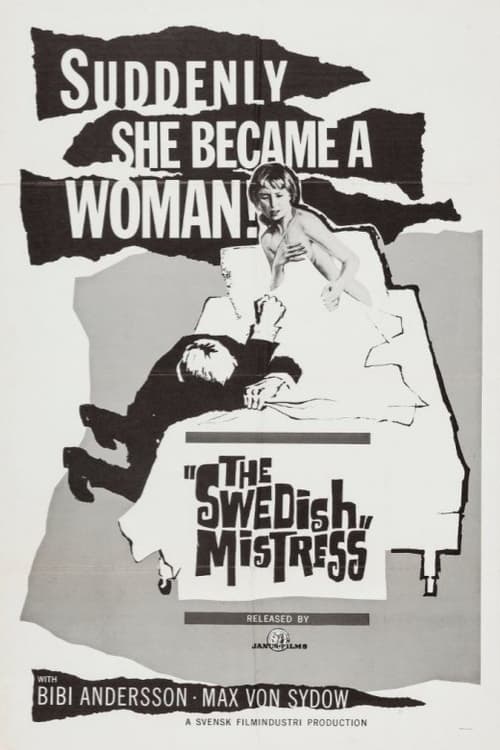
1962
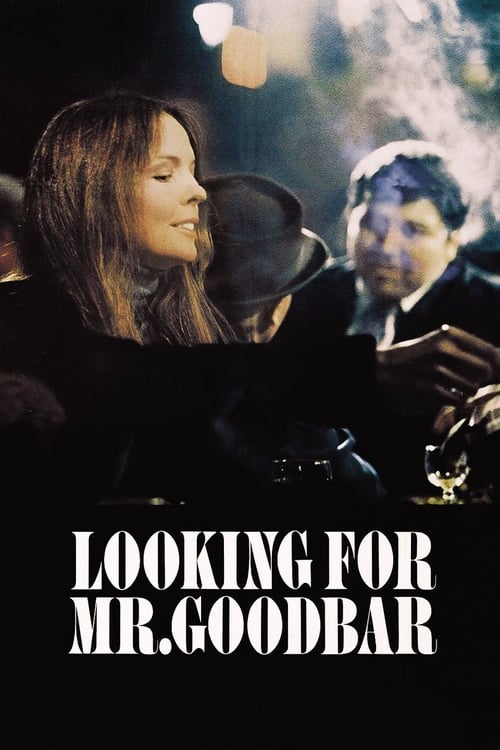
1977
1966
1977
No reviews yet. Be the first to share your thoughts on this movie!
Use the rating form above to leave a star rating and optional review.