Lourdes
2000
No user ratings available yet
Representation score: 3.2 out of 10
Representation Score
Good
1982
TV-14Director
Ishmael Bernal
Runtime
124 minutes
Average Rating
No ratings yetNew Showbiz Analysis
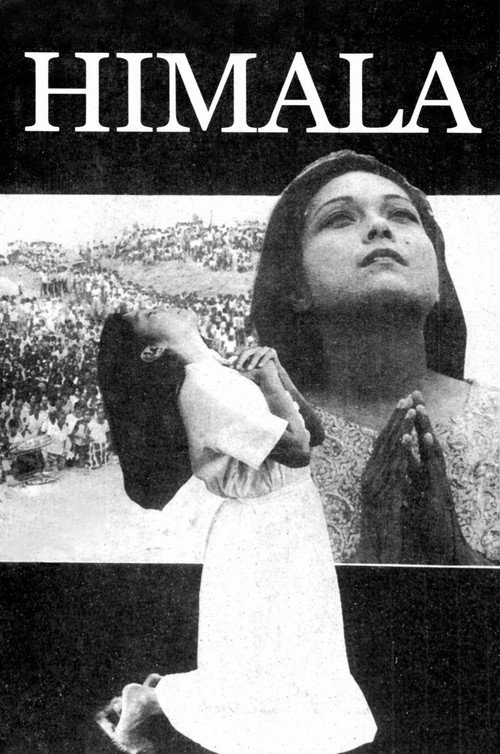
Ishmael Bernal’s work is a sophisticated exercise in social realism that challenges systemic structures. By centering a complex female protagonist in a non-Western context, the film avoids many clichés found in global cinema. The film's strength lies in its deconstruction of religious certainty and its critique of how institutions can be commodified. It moves beyond simple moralism to examine the chaos born of collective desperation. While the film excels in cultural and racial authenticity, it remains limited by its era's social frameworks. It lacks explicit LGBTQ+ representation and uses physical suffering primarily as a functional plot device.
Category Breakdown
The story centers on spiritual and economic struggles within the village but does not include significant queer narratives or non-cisgender identities, sticking to the traditional social structures of its 1982 setting.
Elsa, the female protagonist, challenges traditional hierarchies by gaining a significant role in driving the story through her perceived divinity. She transcends the patriarchal constraints of her isolated community.
The film features a strong, non-Western cast deeply rooted in the Filipino experience. It avoids the white gaze by focusing on localized struggles and giving ability to act to characters of color.
The narrative offers a nuanced look at religion, showing how faith can be used for exploitation. It explores the tension between communal life and the invasive gaze of outsiders.
Healing serves as a central plot device for characters with various ailments. However, these depictions often use illness as a narrative catalyst rather than providing deep ability to act to disabled characters.
Present on Screen
Limited or Absent
Official Synopsis
When plain orphan Elsa begins having visions of the Virgin Mary, the rest of the residents of her isolated village find themselves questioning their own beliefs and values. Soon, Elsa is healing people with a variety of ailments. As word of this phenomenon spreads, tourists, pilgrims, patients and a documentary filmmaker all arrive on a quest to partake in the miracle.
2000

1943
1977
1955

2018
1951
2009
2020
No reviews yet. Be the first to share your thoughts on this movie!
Use the rating form above to leave a star rating and optional review.