The Sleepy Time Gal
2001
No user ratings available yet
Representation score: 7.7 out of 10
Representation Score
Good
1996
TV-PGDirector
Marilou Diaz-Abaya
Runtime
123 minutes
Average Rating
No ratings yetNew Showbiz Analysis
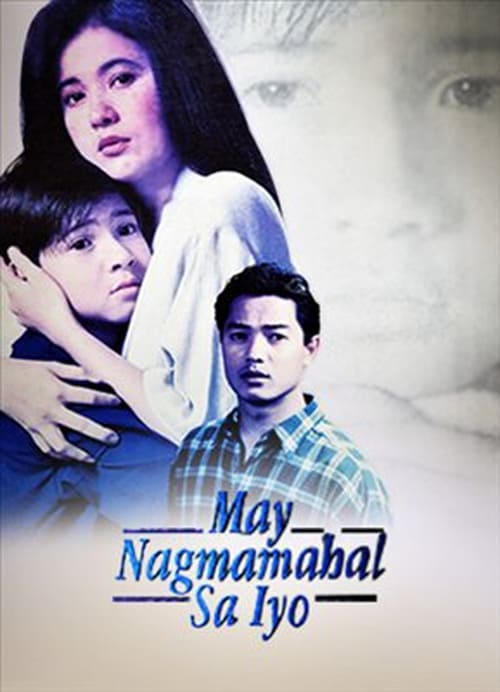
Madonna and Child is a powerful work of social realism that centers on the lived experiences of the Filipino working class. It avoids a Western perspective by prioritizing local cultural realities and the specific struggles of a domestic helper navigating systemic poverty. The film excels in its portrayal of women's ability to drive the story, moving beyond passive victimhood to show the intellectual and emotional labor required for survival. However, the narrative remains confined to traditional family structures and lacks representation for LGBTQ+ identities or characters with disabilities. Ultimately, the film's strength lies in its critique of institutional power and its nuanced exploration of class and gendered struggle within a post-colonial context.
Category Breakdown
The film does not include any LGBTQ+ characters or explore non-straight relationships. It focuses solely on traditional family structures and biological motherhood.
The story emphasizes the psychological complexity and resilience of women within patriarchal socioeconomic structures. It highlights the emotional labor and strength of women.
The film offers a localized, non-Western perspective through a predominantly Filipino cast. It prioritizes indigenous social dynamics over standardized Hollywood clichés.
Social realism is used to critique systemic failures and socioeconomic disparities. Poverty is portrayed as a result of institutional and capitalist hardships.
There is no intentional focus on visible or invisible disabilities. Character struggles are framed through socioeconomic status rather than physical or mental impairments.
Present on Screen
Limited or Absent
Official Synopsis
When Louella came back from Hong Kong as a domestic helper, she began to search for her son Leonard, whom she had put up for adoption seven years earlier.
2001
1995
2016
1957

1994

2018
2012

2018
No reviews yet. Be the first to share your thoughts on this movie!
Use the rating form above to leave a star rating and optional review.