Let It Be
2010
No user ratings available yet
Representation score: 6.5 out of 10
Representation Score
Good
2003
Director
Moacyr Góes
Runtime
107 minutes
Average Rating
No ratings yetNew Showbiz Analysis
Moacyr Góes employs a comparative structure to ground sacred archetypes in the harsh realities of systemic poverty. By framing the 'Mother of God' through a woman facing medical uncertainty, the film explores the intersection of faith and socioeconomic challenges. The film successfully offers a non-Western perspective on maternal resilience and class struggle. It avoids idealized social structures, highlighting the pressures faced by those on the social periphery. However, the representation remains limited in certain areas. The lack of visible LGBTQ+ identities and the reliance on traditional maternal archetypes prevents a higher diversity score.
Category Breakdown
The film does not explicitly depict LGBTQ+ identities or dynamics that challenge the assumption that everyone is straight or cisgender. Instead, it focuses on maternal bonds and religious storytelling.
Maria's character showcases female resilience as she deals with poverty and healthcare issues. The film emphasizes her significant role in driving the story while navigating the complexities of motherhood.
The film highlights the lived experiences of the Brazilian working class, moving away from Western-middle-class norms to focus on the complexities of life in the Global South.
The film contrasts the divine story of Mary with the harsh reality of modern poverty. This structure critiques how religious institutions address immediate human suffering.
The plot is driven by the tension of a potential illness. The narrative centers on the systemic difficulty of healthcare access rather than the illness itself.
Present on Screen
Limited or Absent
Official Synopsis
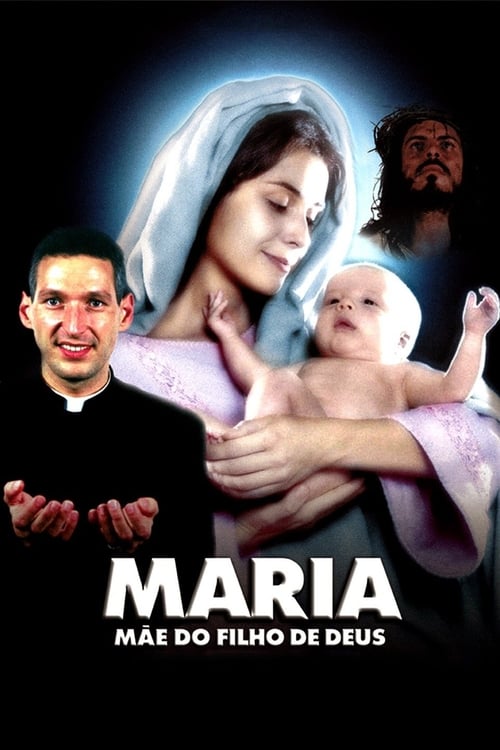
Maria Auxiliadora is a 24 year-old woman very poor, that she lives Joana, her 7 year-old daughter close to. Needing go look for the result of Joana's exam in the hospital, Maria asks the priest of the local church that takes care of her to return. In spite of Joana's insistence to go with the mother Maria insists that she is with the priest, because she distrusts that her daughter suffers of a serious disease. To entertain the girl while it awaits the mother's return, the priest decides to tell her a mother's history that dedicated her life to the son: Mary, mother of Jesus Christ.
2010

1943
1974
2014
1946
1955

2021

2006
No reviews yet. Be the first to share your thoughts on this movie!
Use the rating form above to leave a star rating and optional review.