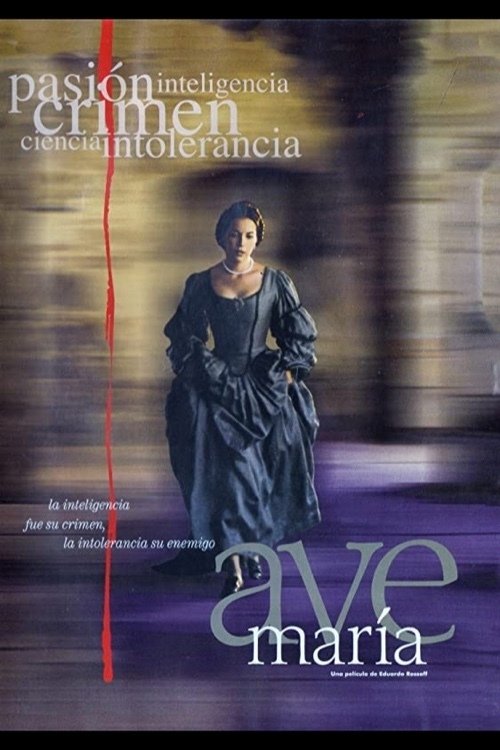
Ave María
1999
No user ratings available yet
Representation score: 3.8 out of 10
Representation Score
Good
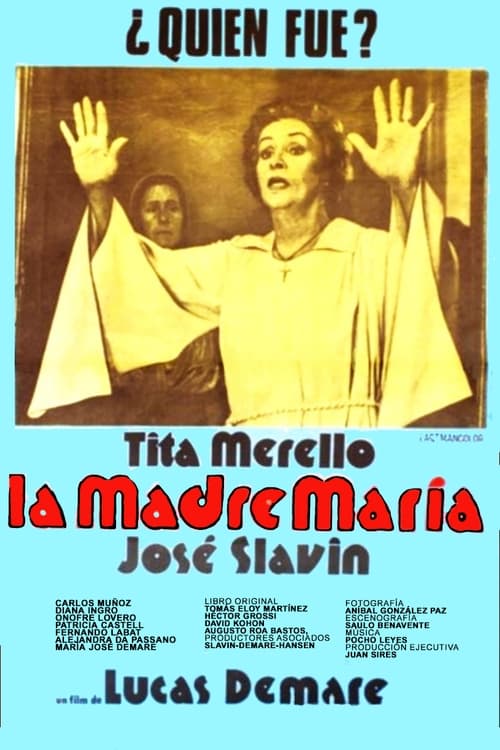
1974
Director
Lucas Demare
Runtime
102 minutes
Average Rating
No ratings yetNew Showbiz Analysis
La madre María is a character study that challenges the dominance of formal institutions. It positions a woman as a leader against obstructive male-dominated systems. While the film lacks modern LGBTQ+ or high-level racial the way different parts of someone's identity overlap, it finds strength in its depiction of class-based struggles and community-led social welfare. The narrative values subjective morality and grassroots aid over state-sanctioned authority.
Category Breakdown
The film focuses on the domestic and spiritual life of the protagonist, assuming everyone is straight and cisgender. There are no non-straight or non-cisgender identities or same-sex relationships shown.
María is portrayed as a strong leader who manages resources and leads a cooperative. She challenges the male-dominated medical and judicial institutions.
The film highlights socioeconomic diversity but the cast appears predominantly homogeneous in terms of ethnicity.
The story critiques Western institutional power by favoring community-based mutual aid. It prioritizes the healer's service to the poor over strict, state-led legalism.
The narrative centers on healing, bringing various physical ailments to the forefront. These characters are treated with empathy rather than as mere medical curiosities.
Present on Screen
Limited or Absent
Official Synopsis
Based on the life of María Salomé Loredo, a figure famous for her healings and assistance to the poor of the late nineteenth and first half of the twentieth century.
1999

1943
2003

2012
1977

2008
1946

1993
No reviews yet. Be the first to share your thoughts on this movie!
Use the rating form above to leave a star rating and optional review.