The Letter
2012
No user ratings available yet
Representation score: 5.6 out of 10
Representation Score
Excellent
2011
Director
Han Jie
Runtime
88 minutes
Average Rating
No ratings yetNew Showbiz Analysis
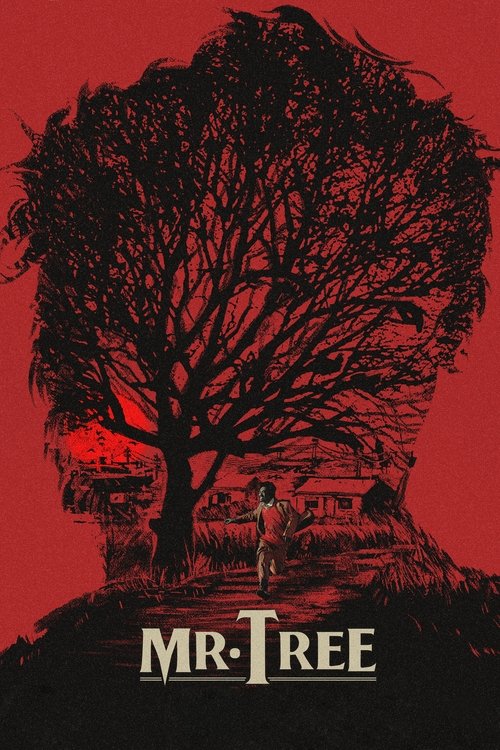
Mr. Tree succeeds as a piece of social realism that challenges conventional character stability and institutional authority. Its primary strength lies in its cultural specificity and its refusal to adhere to Western-centric narrative structures. The film provides a meaningful critique of traditional societal roles by focusing on a underrepresented individual. It uses the protagonist's mental state to explore the subjective nature of truth and social navigation. However, the film lacks explicit representation regarding LGBTQ+ identities and specific gendered roles. While it subverts traditional masculinity, it does not provide a wide breadth of diverse identities beyond its central character.
Category Breakdown
The film explores isolation and non-conformity through a protagonist detached from social norms. Though it doesn't include explicit queer identities or same-sex romance, the narrative operates outside traditional assumptions about relationships.
The story challenges traditional ideas of masculinity by focusing on a male protagonist who struggles to act as a stable provider. Shu’s vulnerability offers a nuanced look at masculinity.
By centering on a rural Chinese village, the film provides a significant departure from Western-centric storytelling. The cast and setting offer a localized, non-Anglo-Saxon perspective on the human condition.
The narrative questions traditional authority and explores moral relativism. It portrays village structures through a lens of skepticism, focusing on characters living on the fringes of social order.
Neurodivergence is treated with complexity rather than as a source of mockery. The protagonist's altered reality is integrated into the core story, giving him a significant role in driving the plot.
Present on Screen
Limited or Absent
Official Synopsis
Teased by hallucinations, Shu, a slacker living in a rural village, struggles with an ever-loosening grip on reality. Yet when one of his visions manifests as real, his fellow villagers come to regard him as a clairvoyant. Can Shu genuinely see into the future? Is he actually just a basket case? Or is he perhaps more lucid than he seems, and pulling a fast one on everyone?
2012
2005
2007

2015

2014
2024
2006

2020
No reviews yet. Be the first to share your thoughts on this movie!
Use the rating form above to leave a star rating and optional review.