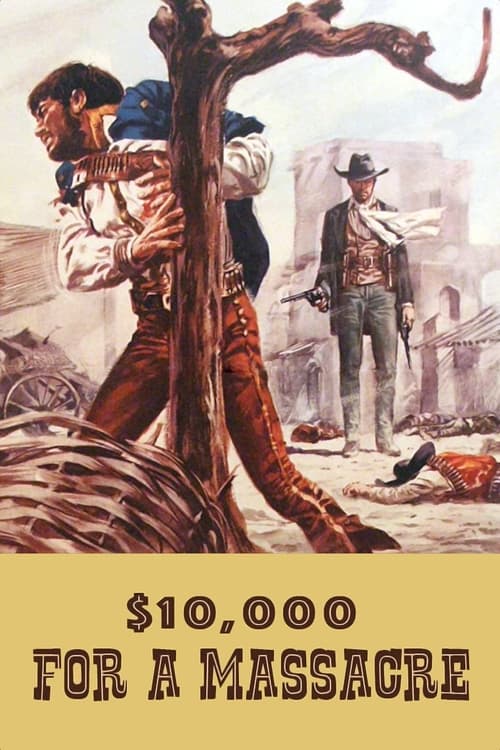
$10,000 for a Massacre
1967
No user ratings available yet
Representation score: 0.8 out of 10

Representation Score
Limited
1968
PGDirector
Giorgio Stegani
Runtime
109 minutes
Average Rating
No ratings yetNew Showbiz Analysis
Beyond the Law is a conventional 1968 Western that adheres to the established social and narrative structures of its time. The film relies on traditional genre clichés, focusing on a male protagonist's struggle for silver and lawlessness. The production lacks intentional diversity in representation. It prioritizes masculine archetypes and individualistic pursuits over any meaningful disruption of social norms or systemic critiques. Ultimately, the film serves as a standard genre piece, reflecting the demographic and cultural compositions common to late-sixties Western cinema.
Category Breakdown
The film does not include non-cisgender identities or same-sex relationships. It follows the traditional straight-centered structures typical of 1968 Westerns.
The story centers on male characters defined by competition and physical strength. There is little evidence of female characters in positions of authority.
The film likely adheres to the era's standard demographic compositions. There is no explicit evidence of casting actors from diverse racial backgrounds.
The plot focuses on individualistic outlaw figures rather than systemic critiques. It emphasizes personal survival within a traditional frontier setting.
There is no documented evidence regarding the portrayal of visible or invisible disabilities within the narrative.
Present on Screen
Limited or Absent
Official Synopsis
A thief takes the job as a town sheriff in order to rob a silver shipment before his ex-partner can grab it.
1967
1969
1968

1967

1968
1967
1962
1962
No reviews yet. Be the first to share your thoughts on this movie!
Use the rating form above to leave a star rating and optional review.