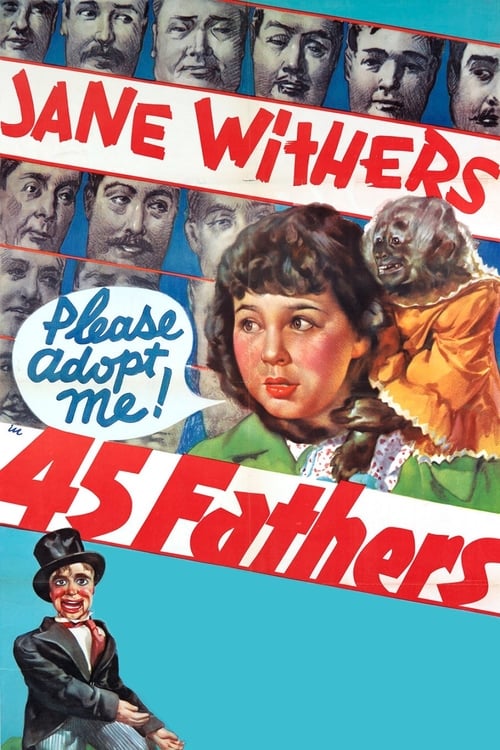
45 Fathers
1937
No user ratings available yet
Representation score: 1.5 out of 10
Representation Score
Minimal
1935
GDirector
Irving Cummings
Runtime
75 minutes
Average Rating
No ratings yetNew Showbiz Analysis
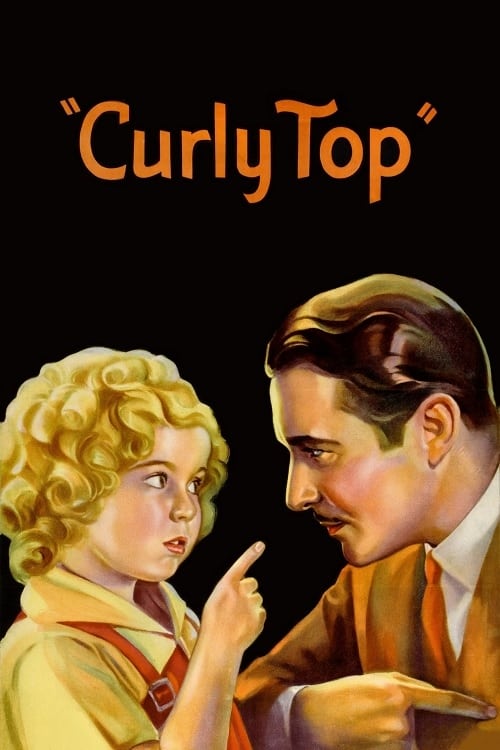
Curly Top exemplifies the escapist nature of Golden Age Hollywood cinema. The film aims to uphold contemporary social norms rather than challenge them, emphasizing a traditional romantic storyline and domestic harmony. Although female characters exhibit ability to act through their musical performances, the narrative remains rooted in the gender roles and social structures of the time. The story lacks complexity in addressing multiple aspects of identity, favoring a simplified, idealized portrayal of society. Overall, the production mirrors the homogeneity of 1930s studio filmmaking, prioritizing social cohesion and traditional Western values over diverse representation or critical examination of societal issues.
Category Breakdown
The film follows the social norms of the 1930s and does not include any non-binary gender identities or same-sex relationships.
Female characters play a key role in driving the musical energy and charm of the film. However, the story reinforces traditional gender roles through the male protagonist's pursuit of the female lead.
The film features a predominantly white cast, reflecting the casting practices of the 1930s. It does not explore racial or ethnic diversity.
The story upholds traditional Western values and the sanctity of the family unit. It presents an idealized social structure without questioning capitalist or Western institutions.
The film does not depict any visible or invisible disabilities among the main characters. Characters are shown within a typical framework of physical ability.
Present on Screen
Limited or Absent
Official Synopsis
Wealthy Edward Morgan becomes charmed with a curly-haired orphan and her pretty older sister Mary and arranges to adopt both under the alias of "Mr. Jones". As he spends more time with them, he soon finds himself falling in love with Mary.
1937

1937
1938
1927
1939
1929
1934
1937
No reviews yet. Be the first to share your thoughts on this movie!
Use the rating form above to leave a star rating and optional review.