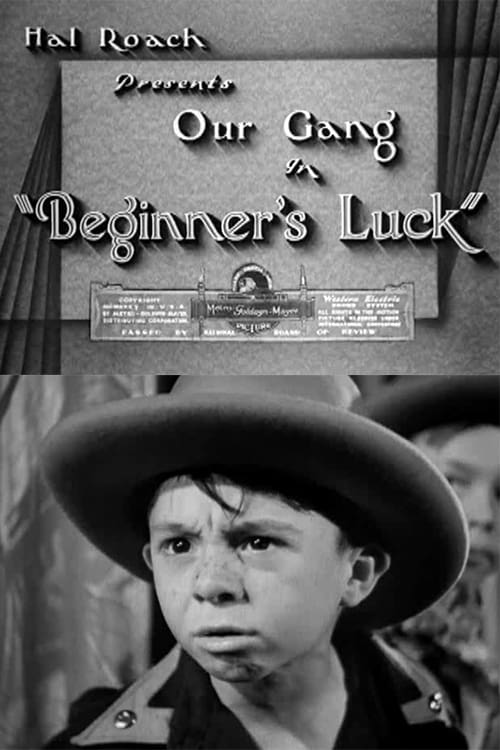
Beginner's Luck
1935
No user ratings available yet
Representation score: 0.8 out of 10
Representation Score
Limited
1929
Director
Robert F. McGowan
Runtime
20 minutes
Average Rating
No ratings yetNew Showbiz Analysis
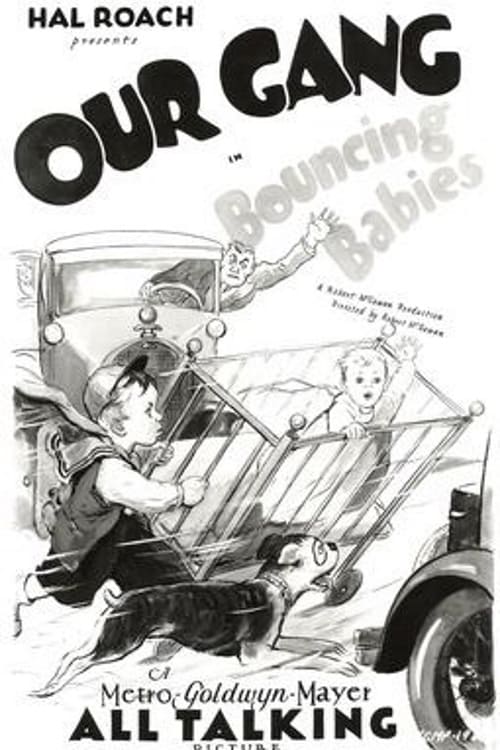
Bouncing Babies serves as a baseline example of early 20th-century ensemble comedy. It earns credit for its multi-ethnic casting, which was a notable departure from the era's standard of homogeneous white casts. However, the film remains tied to conventional social structures. It functions as a traditional family-oriented comedy that reinforces the nuclear family unit rather than challenging established hierarchies. Ultimately, the short provides moderate inclusion without significant systemic disruption. It lacks complex identity politics or subversive ideological frameworks, adhering strictly to the comedic clichés of its period.
Category Breakdown
The film focuses on domestic childhood antics and infant-focused comedy. It does not include any non-assuming gender matches what was assigned at birth identities or same-sex intimacy.
Gendered play is shown in a relatively neutral manner for the time. Characters operate in traditional domestic settings, but the ensemble's chaotic nature avoids reinforcing strict gender roles.
The film features a multi-ethnic cast, breaking the homogeneous white norms of 1920s cinema. However, it lacks deep complexity and high-impact roles for characters of color.
The story emphasizes domestic stability and the innocence of childhood. It reinforces the nuclear family unit without engaging in secularism or moral relativism.
Comedy is driven by the physical slapstick of infants and toddlers. There is no meaningful representation of neurodivergence or physical disabilities.
Present on Screen
Limited or Absent
Official Synopsis
With Wheezer's new baby brother getting all the attention, he tries to send the baby back.
1935
1927
1930

1921
1938
1961
1999
1937
No reviews yet. Be the first to share your thoughts on this movie!
Use the rating form above to leave a star rating and optional review.