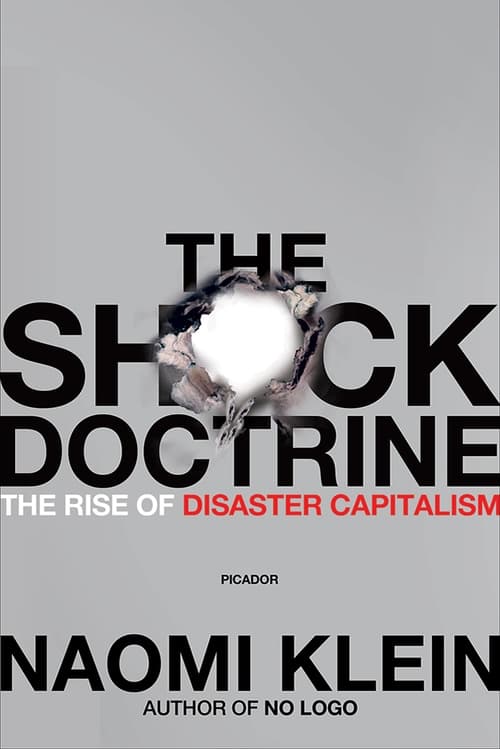
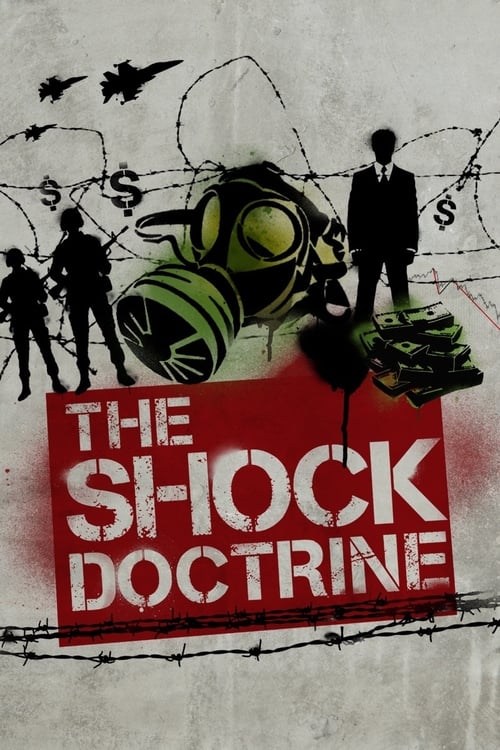
The Shock Doctrine
2007
No user ratings available yet
Representation score: 8.8 out of 10
Representation Score
Excellent
2009
Not RatedDirector
Mat Whitecross, Michael Winterbottom
Runtime
82 minutes
Average Rating
No ratings yetNew Showbiz Analysis
The Shock Doctrine succeeds as a global critique of neoliberalism, moving beyond Anglo-centric views to highlight the roles of non-Western populations. Its strength lies in its post-colonial lens and its refusal to center traditional Western institutional narratives. However, the film's focus on macroeconomics results in a lack of specific representation for LGBTQ+ identities and individual disabilities. While it avoids patriarchal clichés, it does not explicitly engage with gender-specific subversions. Ultimately, the documentary is a powerful tool for examining systemic exploitation, prioritizing the impact of global capital on human rights over market stability.
Category Breakdown
The film does not include specific storylines related to LGBTQ+ identities or non-cisgender narratives. It remains neutral and does not challenge or reinforce assumptions about straight relationships.
The film focuses on macroeconomic and geopolitical shifts rather than gender hierarchies. It avoids traditional patriarchal clichés by centering collective social movements over individual leaders.
The documentary excels by centering populations in Latin America, the Middle East, and Southeast Asia. It uses a post-colonial framework to highlight how neoliberal policies affect non-Western nations.
The film provides a strong critique of Western institutional dominance and imperialism. It highlights grassroots resistance as a necessary response to systemic corruption and human rights violations.
There is no specific representation of physical or mental disabilities. The film treats the populace's reaction to economic shocks as a collective psychological state rather than individual disability.
Present on Screen
Limited or Absent
Official Synopsis
An investigation of "disaster capitalism", based on Naomi Klein's proposition that neo-liberal capitalism feeds on natural disasters, war and terror to establish its dominance.
2007
2009
2003
2010
2008
2011

2003
2005
No reviews yet. Be the first to share your thoughts on this movie!
Use the rating form above to leave a star rating and optional review.